Choosing among investment books for beginners comes down to one question: do you want mindset first or mechanics first? The Psychology of Money stands out as the best overall pick because it teaches the behavioral foundation that determines investing success before any strategy matters. If you’d rather skip philosophy and start buying, Investing QuickStart Guide and The Simple Path to Wealth offer concrete, step-by-step plans you can act on within a week. The main tradeoff in this category is depth versus accessibility — dense classics reward patient readers, while short primers get you moving faster but leave gaps. Price is rarely the issue, since most of these books cost less than a single brokerage commission used to. I evaluated all fifteen on clarity, actionability, strategy coverage, and long-term relevance. Keep reading for the full breakdown, including which books to skip entirely.

Get smart everyday buys delivered free with Prime
- Fast, free delivery on millions of items
- Prime Video, Amazon Music and more included
- Member-only deals all year
Key Takeaways
- Books built on index-fund philosophy (The Simple Path to Wealth, The Little Book of Common Sense Investing) held up best for long-term relevance, while stock-picking guides like The Motley Fool Investment Guide require more reader skill and risk tolerance.
- The clearest dividing line in this roundup was between behavior-focused books and strategy-focused books — beginners who read only one type tend to either understand investing but not act, or act without understanding why.
- All-in-one references like Investing All-in-One For Dummies deliver the most content per dollar but overwhelm true first-timers; they suit readers who already know basic terminology.
- Several of the newest titles duplicated the same ETF-and-robo-advisor advice; only Investing for Beginners Made Simple and How to Invest $50-$5,000 added genuinely distinct angles for small-dollar starters.
- The cheapest options (Learn to Earn, A Beginner’s Guide to the Stock Market) are strong value picks, but their older publication dates mean tax and platform details need supplementing.
| A Beginner’s Guide to Investing: How to Grow Your Money the Smart and Easy Way |  | Best Quick-Start Primer | Format: Paperback | Audience Level: Absolute beginner | Focus: Fundamental concepts and practical investing strategies | VIEW LATEST PRICE | See Our Full Breakdown |
| The Psychology of Money: Timeless Lessons on Wealth, Greed, and Happiness |  | Best Mindset Foundation | Format: Hardcover / Paperback / Audiobook | Audience Level: Beginner to experienced | Focus: Behavioral finance, wealth psychology, decision-making | VIEW LATEST PRICE | See Our Full Breakdown |
| Investing All-in-One For Dummies | 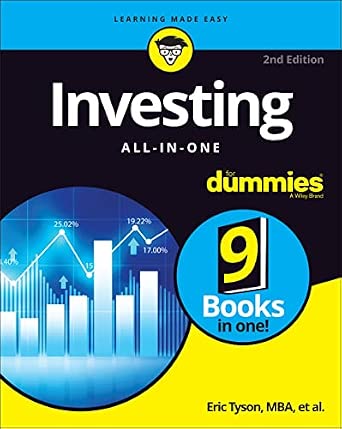 | Best Reference Volume | Format: Paperback | Audience Level: Beginner through experienced | Coverage: Stocks, bonds, funds, real estate, retirement, financial planning | VIEW LATEST PRICE | See Our Full Breakdown |
| Stock Market Investing for Beginners: Eight Proven Strategies to Reduce Risk, Invest with Confidence, and Build Wealth |  | Best Strategy Framework | Format: Paperback / Digital | Audience Level: Beginner | Focus: Eight stock market investing strategies with risk reduction | VIEW LATEST PRICE | See Our Full Breakdown |
| Investing QuickStart Guide |  | Best Structured Learning Path | Format: Paperback / Digital | Audience Level: Beginner | Focus: Stock market basics, wealth growth, financial security | VIEW LATEST PRICE | See Our Full Breakdown |
| A Beginner’s Guide to the Stock Market: Everything You Need to Start Making Money Today |  | Best Quick-Start Stock Primer | Format: Paperback | Primary Focus: Stock market basics for beginners | Experience Level: Beginner | VIEW LATEST PRICE | See Our Full Breakdown |
| Investing for Absolute Beginners: Everything You Need to Know About Investing to Get Started Today |  | Best for Absolute Newcomers | Format: Paperback / Kindle | Primary Focus: Investing fundamentals from zero | Experience Level: Absolute beginner | VIEW LATEST PRICE | See Our Full Breakdown |
| The Simple Path to Wealth: Your Road Map to Financial Independence and a Rich, Free Life |  | Best for Financial Independence Mindset | Format: Paperback / Kindle / Audiobook | Primary Focus: Financial independence through simple investing | Experience Level: Beginner to intermediate | VIEW LATEST PRICE | See Our Full Breakdown |
| Investing for Beginners Made Simple: A Step-by-Step Guide to the Stock Market, ETF Investing, and Building Wealth for Financial Freedom |  | Best for Small Budgets | Format: Paperback / Kindle | Primary Focus: Stocks and ETFs for small-budget investors | Experience Level: Beginner | VIEW LATEST PRICE | See Our Full Breakdown |
| The Motley Fool Investment Guide: Third Edition |  | Best Brand-Name Strategy Guide | Format: Paperback / Kindle / Audiobook | Edition: Third Edition | Primary Focus: Growth stock investing strategy | VIEW LATEST PRICE | See Our Full Breakdown |
| The Little Book of Common Sense Investing | 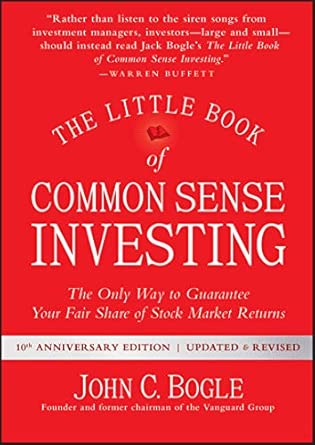 | Best Long-Term Philosophy Pick | Format: Hardcover / Paperback / eBook / Audiobook | Author: John C. Bogle, founder of Vanguard | Core Focus: Low-cost index fund investing | VIEW LATEST PRICE | See Our Full Breakdown |
| Learn to Earn: A Beginner’s Guide to the Basics of Investing and Business |  | Best for Young and First-Time Learners | Format: Paperback / Hardcover / eBook | Authors: Peter Lynch and John Rothchild | Core Focus: Investing and business fundamentals | VIEW LATEST PRICE | See Our Full Breakdown |
| Stock Investing for Beginners: How to Buy Your First Stock and Grow Your Money |  | Best for First Trades | Format: Paperback / eBook | Core Focus: Buying your first stocks | Experience Level: Complete beginner | VIEW LATEST PRICE | See Our Full Breakdown |
| Investing 101: From Stocks and Bonds to ETFs and IPOs, an Essential Primer on Building a Profitable Portfolio |  | Best Broad Vocabulary Builder | Format: Paperback / eBook | Series: Adams 101 series | Core Focus: Broad investing primer and portfolio basics | VIEW LATEST PRICE | See Our Full Breakdown |
| How to Invest $50-$5,000: The Small Investor’s Step-by-Step Plan for Low-Risk Investing in Today’s Economy | 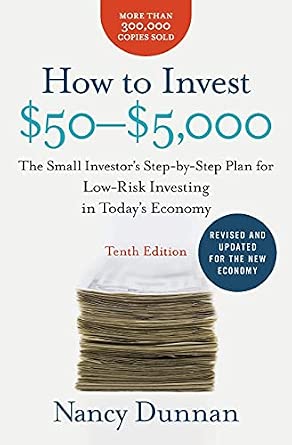 | Best for Small Starting Amounts | Format: Paperback / eBook | Core Focus: Low-risk investing for small balances | Target Investment Range: $50 to $5,000 | VIEW LATEST PRICE | See Our Full Breakdown |
| investment books for beginner | Format | Experience Level |
|---|---|---|
| A Beginner’s Guide to Investin | Paperback | — |
| The Psychology of Money: Timel | Hardcover / Paperback / Audiobook | — |
| Investing All-in-One For Dummi | Paperback | — |
| Stock Market Investing for Beg | Paperback / Digital | — |
| Investing QuickStart Guide | Paperback / Digital | — |
| A Beginner’s Guide to the Stoc | Paperback | Beginner |
| Investing for Absolute Beginne | Paperback / Kindle | Absolute beginner |
| The Simple Path to Wealth: You | Paperback / Kindle / Audiobook | Beginner to intermediate |
| Investing for Beginners Made S | Paperback / Kindle | Beginner |
| The Motley Fool Investment Gui | Paperback / Kindle / Audiobook | Beginner to intermediate |
| The Little Book of Common Sens | Hardcover / Paperback / eBook / Audiobook | Beginner to intermediate |
| Learn to Earn: A Beginner’s Gu | Paperback / Hardcover / eBook | Absolute beginner |
| Stock Investing for Beginners: | Paperback / eBook | Complete beginner |
| Investing 101: From Stocks and | Paperback / eBook | Beginner |
| How to Invest $50-$5,000: The | Paperback / eBook | Beginner to intermediate |
More Details on Our Top Picks
A Beginner’s Guide to Investing: How to Grow Your Money the Smart and Easy Way
This is the shortest runway between “I know nothing” and “I opened a brokerage account.” Where Investing All-in-One For Dummies sprawls across hundreds of pages, this book keeps the scope deliberately tight: core concepts, simple strategies, and practical steps a first-time investor can act on within a weekend of reading. That brevity is its whole value proposition — readers who feel overwhelmed by jargon get a confidence boost rather than a textbook. The tradeoff is real, though. Anyone who wants advanced tactics or in-depth analysis will outgrow it fast, and it skips the psychological angle that makes The Psychology of Money so durable as a re-read. Treat it as an on-ramp, not a destination.
Pros:- Genuinely accessible language with no assumed prior knowledge
- Actionable steps you can apply immediately after reading
- Short enough to finish in a weekend, unlike encyclopedic alternatives
- Focuses on long-term wealth-building habits rather than get-rich-quick tactics
Cons:- Outgrows its usefulness quickly once you master the basics
- No meaningful coverage of advanced strategies or asset classes beyond fundamentals
Best for: Total novices who want a short, jargon-free introduction before opening their first investment account
Not ideal for: Readers who already know the basics and want deeper strategy or portfolio theory — this will feel thin
- Format:Paperback
- Audience Level:Absolute beginner
- Focus:Fundamental concepts and practical investing strategies
- Primary Outcome:Starting an investment plan and growing savings
- Approach:Simple, strategy-driven, action-oriented
- Depth:Introductory — brief and focused
- Best Use:First investing book before deeper study
Our verdict“The right first book if you want to start investing this month, not this year — just plan to graduate to something deeper afterward.”
The Psychology of Money: Timeless Lessons on Wealth, Greed, and Happiness
Most beginner investing books teach what to buy; this one explains why smart people still fail at money. Through short, story-driven essays, it reframes investing as a behavioral problem — patience, ego, and risk tolerance matter more than picking the right fund. Compared with the Stock Market Investing for Beginners strategy guides in this roundup, it offers almost no step-by-step mechanics, and that’s the honest tradeoff: you won’t learn how to place a trade here. But readers who pair it with a tactical book like A Beginner’s Guide to Investing get the strongest one-two punch in the category. Its engaging, timeless framing also makes it the only entry here you’ll reread years later.
Pros:- Story-based essays that make behavioral finance genuinely memorable
- Lessons that stay relevant through market cycles, not tied to current conditions
- The most engaging prose of any book in this category
- Short chapters suit low-attention reading habits
Cons:- Contains essentially no actionable investing mechanics
- Limited technical content — you’ll need a second book to actually invest
Best for: Beginners who keep making emotional money decisions and need the mindset layer before the mechanics
Not ideal for: Readers who want concrete instructions — specific funds, account types, or portfolio allocations are absent
- Format:Hardcover / Paperback / Audiobook
- Audience Level:Beginner to experienced
- Focus:Behavioral finance, wealth psychology, decision-making
- Structure:Short standalone essay chapters
- Writing Style:Narrative and anecdote-driven
- Actionable Strategy Content:Minimal — conceptual focus
- Re-read Value:High — timeless lessons
Our verdict“Buy this to fix how you think about money, then buy a tactical guide to act on it.”
Investing All-in-One For Dummies
This is the encyclopedia of the batch. Where A Beginner’s Guide to Investing ends after the fundamentals, this all-in-one compilation keeps going — stocks, bonds, real estate, retirement planning, and wealth-building techniques across a stack of material borrowed from multiple Dummies titles. For a beginner who wants one purchase to cover years of learning, nothing else here matches its range, and it doubles as a shelf reference you’ll return to when new questions arise. The cost is weight, literally and figuratively: it’s intimidating to read cover to cover, moves slower than the streamlined Investing QuickStart Guide, and beginners seeking motivation may stall in the middle chapters. Buy it as a lookup tool and companion, not a straight-through read.
Pros:- Broadest topic coverage in the category, from stocks to retirement planning
- Grows with you — useful well beyond the beginner stage
- Modular structure lets you jump to relevant chapters
- Familiar, plain-English Dummies format lowers intimidation
Cons:- Far too long to serve as a quick introduction
- Some sections overlap or repeat across the compiled volumes
Best for: Self-directed learners who want a single comprehensive reference instead of buying five separate books
Not ideal for: Readers with limited time or patience — its size makes it a poor choice for a first cover-to-cover investing book
- Format:Paperback
- Audience Level:Beginner through experienced
- Coverage:Stocks, bonds, funds, real estate, retirement, financial planning
- Structure:Multi-book compilation, modular sections
- Depth:Broad and moderately deep
- Best Use:Reference and long-term study guide
- Reading Commitment:High — several hundred pages
Our verdict“The best single-volume library for someone committed to learning investing thoroughly, as long as you don’t expect to finish it in a weekend.”
Stock Market Investing for Beginners: Eight Proven Strategies to Reduce Risk, Invest with Confidence, and Build Wealth
The differentiator here is structure: instead of a broad tour of investing concepts, this book hands you eight named, numbered strategies with risk reduction built into each one. Compared with The Psychology of Money, which inspires but never instructs, this is purely tactical — if you finish it and can’t describe your approach, you weren’t reading. The confidence-building angle suits beginners paralyzed by market fear better than denser picks like Investing All-in-One For Dummies. The honest caveat: as a newer, less-established title, it lacks the track record and review depth of the veterans in this lineup, and strategy-focused books always risk oversimplifying markets that punish simple rules. It’s a solid mid-list pick, not a category leader.
Pros:- Eight concrete strategies give beginners a decision framework, not just theory
- Risk management is central rather than an afterthought
- Ties every lesson to the goal of financial independence
- Confidence-oriented tone works well for hesitant investors
Cons:- Newer title with limited reader feedback and established credibility
- Content depth and format details are thin compared with better-documented competitors
Best for: Anxious first-time stock investors who want a clear, numbered framework instead of abstract theory
Not ideal for: Readers wanting a proven, widely vetted classic — this title has a thinner reputation and fewer reader reviews
- Format:Paperback / Digital
- Audience Level:Beginner
- Focus:Eight stock market investing strategies with risk reduction
- Structure:Strategy-by-strategy framework
- Primary Outcome:Confident, risk-aware investing toward financial independence
- Depth:Moderate — practical and tactical
- Track Record:Newer title, fewer reviews
Our verdict“A reasonable choice if a numbered strategy framework helps you act — but verified classics in this roundup offer similar value with a longer track record.”
Investing QuickStart Guide
Positioned neatly between the ultra-brief A Beginner’s Guide to Investing and the encyclopedic Investing All-in-One For Dummies, this guide aims for the middle lane: a structured, curriculum-style walkthrough of the stock market that a motivated beginner can follow start to finish. Its strength is sequencing — concepts build on each other so you finish with both vocabulary and a plan for financial security, rather than a pile of disconnected tips. The tradeoff mirrors the whole beginner tier: once you’ve internalized the basics, the simplified treatment leaves little reason to return, and it includes no workbooks, tools, or calculators to extend its usefulness. Still, for a first serious book, its balance of depth and digestibility is hard to beat.
Pros:- Well-sequenced curriculum that builds understanding step by step
- Balances depth and readability better than either very short or very long alternatives
- Keeps financial security and wealth growth as explicit goals throughout
- Covers essential stock market concepts without filler
Cons:- Little value for readers past the beginner stage
- No supplementary tools, worksheets, or digital resources included
Best for: Beginners who want a single structured book they can read cover to cover and finish with a working investing plan
Not ideal for: Intermediate investors or anyone wanting advanced strategies, tools, or ongoing reference material
- Format:Paperback / Digital
- Audience Level:Beginner
- Focus:Stock market basics, wealth growth, financial security
- Structure:Sequential, curriculum-style progression
- Depth:Beginner-intermediate overview
- Included Resources:None beyond the core text
- Best Use:First complete cover-to-cover investing book
Our verdict“The best middle-ground pick for a first investing book — more complete than a primer, far more approachable than a reference tome.”
A Beginner’s Guide to the Stock Market: Everything You Need to Start Making Money Today
Among the stock-market-focused titles in this roundup, this one stands out for its no-frills, get-moving approach. Where Stock Market Investing for Beginners leans on eight distinct strategies, this book trims the menu down to the essentials, which matters if you want to place your first trade this month rather than this year. Compared with Investing 101, it sacrifices breadth — bonds, ETFs, and IPOs get little airtime — in exchange for a tighter focus on equities and practical first steps.
The tradeoff is depth: there’s no detailed market analysis and almost nothing on long-term portfolio construction. This pick makes the most sense for readers who see stocks as their starting point and want a fast on-ramp, not a reference they’ll return to in year five.
Pros:- Fast, easy-to-understand introduction for total beginners
- Practical tips you can act on immediately
- Focused coverage of stock market fundamentals without filler
- Short enough to finish in a weekend
Cons:- No advanced strategies, so you’ll outgrow it quickly
- Almost nothing on long-term investing or retirement accounts
- Lacks detailed market analysis for readers who want deeper context
Best for: First-time investors who want to buy their first stock quickly and prefer a short, focused primer over a broad reference
Not ideal for: Readers planning a diversified long-term portfolio — the stock-only scope and thin retirement content will leave gaps
- Format:Paperback
- Primary Focus:Stock market basics for beginners
- Experience Level:Beginner
- Asset Classes Covered:Stocks
- Length:Concise introductory guide
- Style:Practical, action-oriented
- ISBN-10:1099617200
Our verdict“Buy this if you want a quick, stock-focused on-ramp to investing and plan to graduate to a more complete guide later.”
Investing for Absolute Beginners: Everything You Need to Know About Investing to Get Started Today
Where most books here assume you already know what a stock is, this one earns its place by starting from zero. The explanations of core concepts are the clearest in this batch, which makes it a better first stop than Investing QuickStart Guide for readers who feel intimidated even by beginner-labeled titles. Its scope is broader than A Beginner’s Guide to the Stock Market, touching investing as a whole rather than equities alone.
The cost of that accessibility is generality: once you understand the vocabulary, the book doesn’t give you much of a next step, and the absence of case studies or worked examples means abstract ideas can stay abstract. Think of it as the confidence builder you read before a strategy-oriented pick like the Motley Fool guide.
Pros:- Starts from true zero — no prior knowledge assumed
- Broad overview of investing rather than one asset class
- Confidence-building tone for anxious first-timers
- Clear, jargon-free concept explanations
Cons:- No case studies or worked examples to ground the concepts
- Too general to serve as an ongoing reference
- Lacks advanced strategies for readers ready to level up
Best for: Complete novices who find most beginner books intimidating and want plain-English explanations before tackling strategy
Not ideal for: Readers who already know the basics and want concrete strategies, examples, or portfolio blueprints
- Format:Paperback / Kindle
- Primary Focus:Investing fundamentals from zero
- Experience Level:Absolute beginner
- Asset Classes Covered:General investing overview
- Style:Explanatory, confidence-building
- Examples Included:No
- ASIN:B0F5NW9BXD
Our verdict“This is the right first book if you need vocabulary and confidence more than strategy — just plan to follow it with something more concrete.”
The Simple Path to Wealth: Your Road Map to Financial Independence and a Rich, Free Life
This pick plays a different role than everything else here: it’s less about how to pick investments and more about why you’re investing at all. The philosophy — simplify, save aggressively, invest in low-cost index funds, wait — sits closer to The Little Book of Common Sense Investing than to tactic-heavy titles like Stock Investing for Beginners. What sets it apart is the Financial Independence, Retire Early (FIRE) framing, which turns investing from a chore into a life plan.
That single-minded focus is also the limitation. Compared with Investing All-in-One For Dummies, it won’t teach you the mechanics of opening accounts or evaluating funds, and readers chasing specific stock strategies will find it almost defiantly simple. It works best paired with a mechanical how-to guide, not as a replacement for one.
Pros:- Clear, actionable long-term wealth-building framework
- Motivating financial independence roadmap
- Accessible to readers with no investing background
- Emphasizes low-cost simplicity over complexity
Cons:- Light on investment mechanics and account specifics
- Useless as a reference for picking funds or stocks
- Philosophy-driven readers may want harder numbers
Best for: Readers motivated by early retirement and financial independence who want a simple philosophy, not a technical manual
Not ideal for: Hands-on investors who want stock-picking tactics, tax details, or account-setup walkthroughs
- Format:Paperback / Kindle / Audiobook
- Primary Focus:Financial independence through simple investing
- Experience Level:Beginner to intermediate
- Core Philosophy:Index investing, high savings rate
- Style:Conversational, philosophy-driven
- Best Paired With:A mechanical beginner’s how-to guide
- ASIN:B0DQJMVM59
Our verdict“Choose this for the why and the roadmap — then fill the mechanical gaps with a how-to title from this list.”
Investing for Beginners Made Simple: A Step-by-Step Guide to the Stock Market, ETF Investing, and Building Wealth for Financial Freedom
What separates this title from the pack is its explicit aim at investors starting with limited funds. Compared with How to Invest $50-$5,000, which covers low-risk investing across a range of vehicles, this book leans into ETFs as the small investor’s main tool — a genuinely useful angle for someone with $100 and a brokerage app. Its step-by-step structure also makes it more actionable than Investing for Absolute Beginners, which explains concepts but stops short of a walkthrough.
The weaknesses are real, though. There’s no detailed author or edition information, which makes it harder to evaluate credibility, and anyone past their first few months of investing will find the content thin. It’s a solid entry point, not a keeper.
Pros:- Specifically addresses investing with small amounts of money
- Step-by-step structure you can follow literally
- Covers stocks and ETFs together in one beginner frame
- Wealth-building framing keeps motivation high
Cons:- No verifiable author or edition details, weakening credibility
- Content too basic beyond the first few months of investing
- Advanced strategies are absent
Best for: Small-dollar beginners who want to start with ETFs on a modest budget and need a literal step-by-step path
Not ideal for: Readers who care about author credentials, or anyone already past their first investment
- Format:Paperback / Kindle
- Primary Focus:Stocks and ETFs for small-budget investors
- Experience Level:Beginner
- Asset Classes Covered:Stocks, ETFs
- Structure:Step-by-step guide
- Target Investor:Small-dollar beginners
- ASIN:B0GJZJVQHQ
Our verdict“If you’re starting with $50 a month and want a concrete ETF-first path, this fills a niche most beginner books ignore.”
The Motley Fool Investment Guide: Third Edition
This is the most strategy-forward pick in the batch, and it comes with a pedigree: a third edition from a team with a decades-long public track record. Compared with Investing for Beginners Made Simple, it offers an actual investment methodology — buy-and-hold quality growth stocks — rather than just orientation. And unlike The Simple Path to Wealth, which tells you to stop picking stocks altogether, this book teaches you how to do it with discipline.
The tradeoffs deserve honesty. The Fool’s approach demands more research and tolerance for volatility than an index-only path, and readers wanting technical analysis or charting will need another book entirely. It’s also overkill if you just want to park money in index funds — The Little Book of Common Sense Investing covers that philosophy in half the emotional effort.
Pros:- Teaches a concrete, repeatable stock-selection strategy
- Written by a team with a long public track record
- Updated third edition reflects current markets
- Engaging, accessible tone despite strategy content
Cons:- Stock-picking approach requires ongoing research and higher risk tolerance
- No technical analysis coverage
- Too basic for experienced investors and unnecessary for pure indexers
Best for: Beginners ready to move past index funds and learn a specific stock-picking methodology from a recognizable team
Not ideal for: Passive investors content with index funds, or readers who want technical analysis
- Format:Paperback / Kindle / Audiobook
- Edition:Third Edition
- Primary Focus:Growth stock investing strategy
- Experience Level:Beginner to intermediate
- Style:Strategy-driven, engaging
- Publisher:Portfolio / Penguin Random House
- ISBN-10:1501155555
Our verdict“Pick this when you want a named strategy and the confidence of an established team — skip it if index funds are your endgame.”
The Little Book of Common Sense Investing
Where most beginner books race to teach mechanics, this one argues a single thesis with relentless clarity: buy low-cost index funds and hold them for decades. Compared with Stock Investing for Beginners, which walks you through placing your first trade, this book questions whether you should be picking stocks at all. That perspective is its strength — Bogle’s case against fees and market timing saves beginners from expensive mistakes — but it is also a tradeoff. Readers hoping for step-by-step account setup or stock selection guidance will need a companion title. The writing assumes patience rather than urgency, which suits savers but frustrates anyone chasing faster returns.
Pros:- Makes a convincing, evidence-backed case for low-cost index investing
- Explains how fees quietly erode returns over time
- Short and readable despite covering a big philosophical argument
- Timeless advice that does not depend on current market conditions
Cons:- Provides little practical instruction on actually opening accounts or buying funds
- Actively dismisses strategies some beginners want to learn, like stock picking
Best for: Beginners who want a principled, set-and-forget index fund strategy they can follow for decades
Not ideal for: Hands-on readers who want to research and pick individual stocks, since the book argues against that approach entirely
- Format:Hardcover / Paperback / eBook / Audiobook
- Author:John C. Bogle, founder of Vanguard
- Core Focus:Low-cost index fund investing
- Experience Level:Beginner to intermediate
- Strategy Type:Passive, long-term
- Investment Vehicles Covered:Index mutual funds, ETFs
Our verdict“Choose this if you want to be convinced of the index fund path before you invest a single dollar.”
Learn to Earn: A Beginner’s Guide to the Basics of Investing and Business
Co-written by Peter Lynch, this book stands apart by explaining how businesses and markets actually work before asking you to invest in them. Compared with Investing 101, which catalogs investment products, this title starts further upstream — companies, profits, and why stocks exist at all. That makes it the gentlest entry point in this roundup, ideal for teenagers or adults with zero financial background. The tradeoff is depth: once you understand the basics, the book runs out of runway. There are no portfolio templates, no case studies, and no discussion of ETFs in modern terms, so most readers will graduate to something like The Simple Path to Wealth within months.
Pros:- Explains investing through the lens of how real businesses work
- Written in plain, jargon-free language for absolute newcomers
- Credible authorship from one of the most famous fund managers ever
- Builds genuine conceptual understanding rather than memorized steps
Cons:- Content predates modern tools like robo-advisors and commission-free trading apps
- Too elementary for anyone past the very first stage of learning
Best for: Teens, students, and adults starting from zero who need business and market fundamentals before investing basics
Not ideal for: Readers who already know what stocks and bonds are and want actionable portfolio strategies
- Format:Paperback / Hardcover / eBook
- Authors:Peter Lynch and John Rothchild
- Core Focus:Investing and business fundamentals
- Experience Level:Absolute beginner
- Strategy Type:Educational foundation
- Notable Perspective:Business-first approach to understanding markets
Our verdict“Pick this as a first-ever investing book if terms like ‘share’ and ‘dividend’ still feel foreign to you.”
Stock Investing for Beginners: How to Buy Your First Stock and Grow Your Money
This is the pick for the reader whose main obstacle is simple: actually buying a first stock. Compared with The Little Book of Common Sense Investing, which spends its pages arguing you should not pick stocks, this title assumes you will and shows you how — from opening a brokerage account to placing an order. That practical emphasis fills a gap most philosophy-driven books leave open. The tradeoff is breadth: technical analysis and advanced valuation methods are barely touched, and experienced readers will find it thin. Think of it as a launch manual, not a reference. Pair it with a broader primer if you want context around the mechanics.
Pros:- Walks through the mechanics of buying a first stock step by step
- Reassuring tone that reduces intimidation for new investors
- Keeps the focus on long-term growth rather than day trading
- Short enough to finish before opening an account
Cons:- Almost no technical analysis or stock valuation instruction
- Content becomes largely irrelevant once you have made a few trades
Best for: Nervous first-timers who want concrete, click-by-click guidance to make their first stock purchase
Not ideal for: Readers past their first trade who want charting, valuation, or portfolio construction depth
- Format:Paperback / eBook
- Core Focus:Buying your first stocks
- Experience Level:Complete beginner
- Strategy Type:Hands-on, long-term growth
- Topics Covered:Brokerage setup, first purchases, growth basics
- Length:Concise introductory guide
Our verdict“Buy this if you understand investing concepts but freeze when it is time to execute your first order.”
Investing 101: From Stocks and Bonds to ETFs and IPOs, an Essential Primer on Building a Profitable Portfolio
Of the beginner titles here, this one covers the widest range of investment types — stocks, bonds, ETFs, and even IPOs — in a single, digestible primer. Compared with Stock Investing for Beginners, which goes deep on one asset class, this spreads wide so readers leave knowing what every major term on a brokerage screen means. That breadth is genuinely useful for building a portfolio with more than one asset type. The cost is that no single topic gets advanced treatment; options, tax strategy, and detailed allocation math are out of scope. It works best as a foundation layer, with a specialized title layered on once you know which direction interests you.
Pros:- Covers stocks, bonds, ETFs, and IPOs in one accessible volume
- Builds a working vocabulary for reading brokerage and news content
- Includes practical portfolio-building frameworks
- Balanced breadth without pushing one ideology
Cons:- Treats each asset class at surface level only
- Limited guidance on rebalancing, taxes, or managing a portfolio over time
Best for: Beginners who want to understand every major investment type before deciding how to allocate their money
Not ideal for: Readers who already know ETF basics and want deeper strategy or portfolio optimization guidance
- Format:Paperback / eBook
- Series:Adams 101 series
- Core Focus:Broad investing primer and portfolio basics
- Experience Level:Beginner
- Asset Classes Covered:Stocks, bonds, ETFs, IPOs
- Strategy Type:Diversified portfolio building
Our verdict“Choose this if your goal is fluency across all the major investment types rather than mastery of one.”
How to Invest $50-$5,000: The Small Investor’s Step-by-Step Plan for Low-Risk Investing in Today’s Economy
Most beginner books quietly assume you have a meaningful sum to deploy. This one is built for the reader with $50 to $5,000 and a low tolerance for risk, turning a modest amount into a structured, staged plan. Compared with Investing 101, which teaches concepts at any account size, this title is prescriptive about what to do with small dollars specifically — including vehicles and habits that make sense at that scale. The tradeoffs are real: it names fewer specific asset types than competing titles, and some market references feel dated given the small-dollar fintech options now available. Readers with larger amounts or higher risk appetite should look elsewhere, like The Motley Fool Investment Guide.
Pros:- Designed specifically around small starting balances
- Emphasizes low-risk approaches for anxious first-time investors
- Provides a concrete step-by-step sequence rather than general concepts
- Useful for both newcomers and cautious returning investors
Cons:- Light on specifics about which investments to actually buy
- Some strategies and market references do not reflect today’s app-based investing landscape
Best for: Cautious beginners with small amounts to invest who want a staged, low-risk plan rather than theory
Not ideal for: Readers with larger sums or an appetite for growth investing, who will find the low-risk framing limiting
- Format:Paperback / eBook
- Core Focus:Low-risk investing for small balances
- Target Investment Range:$50 to $5,000
- Experience Level:Beginner to intermediate
- Risk Approach:Conservative, low-risk
- Structure:Step-by-step plan
Our verdict“Pick this if your biggest constraint is a small balance and a strong preference for avoiding risk.”

How We Picked
I judged each book against four criteria. Clarity came first: a beginner book fails if it assumes jargon the reader doesn’t have, so I favored authors who explain compound interest, diversification, and risk in plain language with worked examples. Actionability came second — the best beginner books end with the reader knowing their literal next step, whether that’s opening an account, buying an index fund, or setting an allocation. Third, I weighed coverage versus focus: some readers need one proven path, others need enough breadth to choose their own, and the ranking reflects which books serve each need honestly rather than pretending to do both. Fourth, longevity mattered, because investing principles outlast market cycles but platform screenshots and tax figures do not.
The ranking logic is deliberate: books that build durable decision-making skills placed above those teaching narrow tactics. I also penalized books that oversell returns, bury simple concepts under volume, or push a single brokerage’s agenda. Where two books covered similar ground, the tiebreaker was how quickly a complete novice could finish it and act on it — a 250-page book a beginner actually reads beats a 600-page book that becomes shelf decoration.
| investment books for beginner | Experience Level |
|---|---|
| A Beginner’s Guide to Investin | — |
| The Psychology of Money: Timel | — |
| Investing All-in-One For Dummi | — |
| Stock Market Investing for Beg | — |
| Investing QuickStart Guide | — |
| A Beginner’s Guide to the Stoc | Beginner |
| Investing for Absolute Beginne | Absolute beginner |
| The Simple Path to Wealth: You | Beginner to intermediate |
| Investing for Beginners Made S | Beginner |
| The Motley Fool Investment Gui | Beginner to intermediate |
| The Little Book of Common Sens | Beginner to intermediate |
| Learn to Earn: A Beginner’s Gu | Absolute beginner |
| Stock Investing for Beginners: | Complete beginner |
| Investing 101: From Stocks and | Beginner |
| How to Invest $50-$5,000: The | Beginner to intermediate |
Factors to Consider When Choosing Investment Books For Beginners
Before picking a title, it helps to understand what actually separates a useful beginner investing book from an expensive confidence boost. These are the factors that shaped my ranking and the mistakes I see new investors make most often.Mindset Books vs. Mechanics Books
The single biggest decision is which type of book you need first, and most beginners guess wrong. Mindset books like The Psychology of Money explain why smart people make bad financial decisions, but they won’t tell you how to place a trade. Mechanics books do the opposite: they walk you through ETFs and brokerage accounts, yet they can’t stop you from panic-selling in a downturn — which is where most beginner portfolios actually fail. My advice is to be honest about your weak point. If you’ve never invested because the whole thing feels mysterious, start with mechanics. If you’ve tried and quit, or you tend to tinker, start with mindset. The readers who struggle most are the ones who buy a strategy book hoping it will fix a behavior problem.
Single-Philosophy vs. All-in-One Coverage
Some books argue one approach — usually index investing — with total conviction, while others survey stocks, bonds, ETFs, real estate, and options side by side. Single-philosophy books finish faster and get you acting sooner, which matters because time in the market compounds. All-in-one guides give you a menu, but a beginner with a menu often freezes or cherry-picks the exciting chapters about individual stocks. There’s also a hidden risk in breadth: books that cover advanced instruments like options and IPOs can make leverage feel normal when it should feel exceptional. If this is your first investing book, conviction beats coverage. Save the encyclopedia-style guides for your second or third read, once you have a baseline to compare against.
Publication Date and Evergreen Content
Investing principles age slowly, but the surrounding details age fast. A book published before 2010 may describe commission-based trading, mutual fund minimums, or retirement account rules that no longer exist, and a confused beginner can’t always tell the evergreen advice from the outdated specifics. The books that handle this best either avoid operational details entirely — focusing on principles — or were revised recently enough to reflect zero-commission trading and fractional shares. One practical workaround: pair an older classic with a free, current resource from a brokerage or regulator for the mechanical steps. Don’t dismiss a book purely for its age, but do check whether its examples still match the accounts you’ll actually open.
Author Incentives and Hidden Agendas
Not every investing book is written to make you a better investor; some exist to funnel you toward a platform, newsletter, or advisory service. Books tied to a media brand or a paid community tend to teach just enough to convince you the next purchase is necessary. The tell is usually in the final chapters, where genuine education gives way to a sales pitch for premium subscriptions or the author’s own funds. This doesn’t make those books worthless — some contain excellent mid-sections — but you should know what you’re holding. Authors who explain their own investing decisions, including mistakes, tend to be the most trustworthy. When a book promises outsized returns with minimal risk, that’s not education; that’s marketing.
Reading Time and Follow-Through
A beginner book only works if it gets finished, and length is the most reliable predictor of abandonment. A 600-page reference read cover to cover is a months-long project that most first-time investors never complete, while a 250-page focused book can be finished in a weekend and acted on Monday. Be realistic about your reading habits: if your shelf already has three unfinished finance books, buy the shortest option that covers your actual question. There’s also a sequencing benefit to shorter books — finishing one builds the confidence to read the next, more advanced one. The readers who succeed rarely read one book; they read one small book, start investing, then read more as specific questions arise.
Your Starting Capital Changes the Right Answer
The best book for someone with $200 to invest is not the best book for someone rolling over a $200,000 retirement account. Small-dollar beginners benefit most from books centered on fractional shares, low-minimum index funds, and automation — strategies where fees and minimums don’t eat the portfolio. Readers with larger sums face different problems: tax placement, asset location, and withdrawal planning, which most beginner books barely touch. Some titles, like How to Invest $50-$5,000, are explicitly built around modest starting amounts and are honest about the tradeoffs involved. Match the book to your actual balance sheet, not the one you aspire to, because advice that’s right for one scale can be actively wrong at another.
Frequently Asked Questions
Should my first investment book teach index funds or stock picking?
For most beginners, an index-fund book is the safer starting point, and the comparison bore this out. Index-focused books like The Little Book of Common Sense Investing teach a strategy you can execute correctly on day one with minimal research time, while stock-picking guides like The Motley Fool Investment Guide demand ongoing effort, emotional discipline, and a tolerance for being wrong often. That said, stock-picking books aren’t useless for novices — they teach you how businesses work and how to read financials, which makes you a better index investor too. A reasonable sequence is to read an index book first, get your core portfolio running, then explore stock picking with money you can afford to be wrong about. If you never move past index funds, you’ll still likely beat most active investors over decades.
Do I need more than one of these books, or will one be enough?
One book is enough to start investing, but one book is rarely enough to stay invested — and staying invested is where returns actually come from. The strongest pairing from this lineup combines a behavior book like The Psychology of Money with a mechanics book like Investing QuickStart Guide, because they solve different failure modes. Reading three or four books before making your first purchase, on the other hand, usually just delays action and feeds the illusion that more information reduces risk. My suggested approach: read one short book end to end, open an account, automate a small contribution, then read the second book while your money is already working. The books you read after you start investing land differently because you have real context for them.
Are the older classics still relevant, or should I only buy recently published books?
Mostly relevant, with a specific caveat. The core principles these books teach — compound growth, diversification, low costs, emotional discipline — haven’t changed in decades, which is exactly why they’re classics. What does age poorly is the operational layer: account types, tax brackets, commission structures, and trading mechanics can be meaningfully out of date in books written before zero-commission trading became standard. The practical move is to treat older books as principle teachers and get your mechanical steps from a current free source, such as a brokerage’s own education center or regulator-published guides. If a book spends whole chapters on avoiding trading commissions or picking load-free mutual funds, recognize that those chapters describe a solved problem and skim them.
Which of these books is best if I only have a small amount to invest?
How to Invest $50-$5,000 was written specifically for this situation and addresses problems bigger books ignore, like minimum account requirements and the math of investing tiny amounts consistently. The Simple Path to Wealth is a close second for small starters because its core strategy — a single low-cost total-market fund — works identically whether you’re investing $50 or $5,000 a month. What you should avoid at this stage is anything oriented toward active trading or complex instruments, since fees, taxes, and time costs hit small portfolios hardest proportionally. Small capital is actually an advantage in one respect: your mistakes are cheap now, and the habits you build will already be in place when your contributions grow. Start automating whatever amount you can, because the habit matters more than the sum.
Can a book actually make me a successful investor, or should I just use online resources instead?
A book won’t make you successful by itself, but a good one does something free online content rarely does: it presents a complete, coherent argument you can evaluate end to end. Online resources tend to arrive as fragments — a video about ETFs, an article about recessions — and beginners assemble them into a patchwork understanding with invisible gaps. Books also force authors to commit to a position, which makes bad advice easier to spot than in content designed to never offend an algorithm. The weakness of books is freshness, which is why the hybrid approach wins: read one well-structured book for your framework, then use current online sources for mechanics and market news. Treat the book as your operating system and the internet as your daily input, not the other way around.
Conclusion
After comparing all fifteen titles, the right choice depends less on quality — most of these are competent — and more on what kind of beginner you are. For the best overall pick, The Psychology of Money earns the top spot because behavior, not strategy, is what determines whether beginners succeed, and it’s the book I’d hand to almost anyone regardless of their starting point. The best value options are Learn to Earn and A Beginner’s Guide to the Stock Market, which deliver solid foundational education at the lowest prices, provided you supplement the dated operational details. For readers who want the most complete education money can buy, Investing All-in-One For Dummies is the premium-scale pick — massive in scope, best suited to someone committed to a thorough study rather than a quick start.
If you’re a true first-timer who wants to act fast, Investing QuickStart Guide or Investing for Absolute Beginners will get you from zero to your first investment with the least friction. For specific needs: choose The Simple Path to Wealth if financial independence is your real goal, How to Invest $50-$5,000 if you’re starting with modest savings, The Little Book of Common Sense Investing if you want the definitive case for index funds, and The Motley Fool Investment Guide only once you’ve mastered the basics and want to try stock picking with eyes open. Whatever you pick, the worst choice is the book that stays unread — buy one, finish it, and start investing before you feel fully ready.
Evergreen bestsellers Picks
bestsellers
As an affiliate, we earn on qualifying purchases.