
📊 Full opportunity report: Build A Study Routine Around Client Questions And The Enrolled-Agent Exam on IdeaNavigator AI — validation score, market gap, and execution plan.

Get smart everyday buys delivered free with Prime
- Fast, free delivery on millions of items
- Prime Video, Amazon Music and more included
- Member-only deals all year
TL;DR
IdeaNavigator AI has outlined a proposed study tool that would turn a working tax preparer’s client question into a plain-language, publication-referenced explanation and a related practice question for the IRS Special Enrollment Examination. The concept is an untested MVP; its exam accuracy and willingness of candidates to pay have not been established.
IdeaNavigator AI has proposed a study tool that would turn tax questions encountered by working preparers into cited explanations and related practice questions for the IRS Special Enrollment Examination, offering a way to connect daytime client research with exam preparation. The concept remains an untested product proposal; no pilot findings or evidence of exam accuracy are reported.
The proposed minimum viable product is built around a single workflow: a user enters a real client tax question, and the app returns a plain-language explanation with a relevant IRS publication reference. It would also generate one multiple-choice question in the style of the SEE on the same topic, which the user could save for later study.
The intended users are aspiring enrolled agents and tax preparers studying while they work. The problem identified in the proposal is that preparers may research issues for clients during the day, then use separate tools or materials for structured exam study at night. The proposed app would carry a topic from the first activity into the second rather than leave the research disconnected.
The suggested business model is a monthly subscription for individual candidates, with a discount for a full study season. To test demand, the proposal recommends recruiting 10 working EA candidates for a two-week trial and checking whether the generated questions seem accurate enough to justify payment. No subscription price, pilot participants, or results are provided.
Build a Study Routine Around Client Questions and the Enrolled-Agent Exam
Turn a tax question from the workday into a plain-language explanation, an IRS publication reference, and a related practice question for the Special Enrollment Examination (SEE). The idea is still an untested product proposal.
Carry a topic from client work into study time
The minimum viable product is intentionally narrow: a working tax preparer enters a client question, reviews an explanation and reference, then saves a related multiple-choice item for later study.
Enter a tax question
Start with an issue encountered while preparing returns or answering a client.
Review the explanation
Get a plain-language response with a relevant IRS publication reference to check.
Save practice for later
Receive one related SEE-style multiple-choice question and add it to a study bank.
Make everyday research a study prompt
The proposal targets aspiring enrolled agents and tax preparers studying while they work. It aims to bridge daytime client research and evening exam preparation, rather than leave those activities disconnected.
Working candidates
People preparing for the SEE while doing tax preparation or related client-facing work.
Topic-specific practice
Questions from real work could become a personal set of study prompts, if the answers and practice items prove reliable.
Individual subscription
A monthly plan, with a suggested discount for a full study season. No price or payment evidence is provided.
A useful concept still needs evidence
A client’s facts can make an issue more specific than an exam prompt. Generated explanations could miss qualifications, and references or practice questions may not fit the topic. These risks have not been evaluated in a reported pilot.
Answer quality
The proposal does not explain how tax answers or publication citations would be verified, how missing facts would be handled, or when users would be told to seek professional review.
Exam relevance
No comparison with official SEE content or review by exam-prep specialists is reported. A full curriculum, topic coverage map, and question standard are also unspecified.
Client privacy
The concept does not describe safeguards for sensitive client information entered into the proposed tool.
Demand and outcomes
There are no reported candidates, subscription price, willingness-to-pay findings, or learning results. No evidence shows that the tool improves exam performance.
Run a small candidate pilot
The proposal recommends a short trial to learn whether working candidates find generated practice accurate and relevant enough to support a paid product. No launch date or completed trial is reported.
Suggested test: use real client questions over two weeks, then gather feedback on question accuracy, exam relevance, and whether the material feels worth paying for. A small trial could offer early feedback; it would not establish broad demand or reliable performance across SEE topics.
A connected learning loop
The proposed value depends on each step working well: source quality supports the explanation, and a relevant practice item turns the topic into a study opportunity.
What the proposal does—and does not—establish
What would the tool do?
Provide a plain-language explanation with an IRS publication reference, then generate a related SEE-style multiple-choice question to save for later.
Who is it for?
Aspiring enrolled agents and tax preparers studying for the SEE while working with tax clients.
Has it been tested?
No results are reported. A two-week trial with 10 working EA candidates is proposed, but is not described as completed.
Are the questions exam-accurate?
That remains unknown. No comparison with official exam material or independent accuracy review is described.
How might it make money?
The suggested model is a monthly subscription, potentially discounted for a full study season. No price or willingness-to-pay evidence is provided.
What should happen next?
Test answer and citation review, candidate feedback, a potential subscription price, and question alignment with SEE requirements.
Connecting Client Research With Exam Practice
For candidates preparing alongside paid tax work, the idea addresses a practical gap: client research could double as a study prompt, reducing the separation between work-related learning and exam preparation. If the explanations are reliable and the practice questions closely match exam expectations, users might build a topic-specific study bank from questions they already encounter.
That potential depends on performance that has not yet been demonstrated. A client’s circumstances can make a tax issue more specific than an exam question, while a generated explanation may omit relevant qualifications or cite an unsuitable reference. Accuracy, source quality and exam relevance would need to be tested before the workflow could be treated as a dependable study aid. The proposal is a product concept, not evidence that candidates will pass more often or save a measured amount of time.
The suggested pilot also frames a commercial test: whether working candidates find the practice material valuable enough to pay for. That matters because usefulness alone does not establish demand for a subscription-based prep product. A small trial could provide early feedback, but would not by itself establish broad market demand or reliable results across SEE topics.
Products Worth Considering

Samsung 34-Inch ViewFinity S50GC Ultra-WQHD Monitor

Dell UltraSharp 32 U3226QER 4K Thunderbolt Hub Monitor
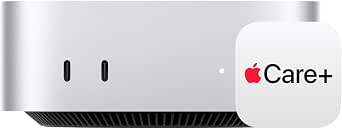
Apple Mac mini (2026) with M5 Pro chip and 3-year AppleCare+
As an affiliate, we earn on qualifying purchases.
The SEE and the Proposed Workflow
The Special Enrollment Examination is described in the proposal as a stable, three-part test. The concept is aimed at people studying for that exam while preparing returns or doing other tax work, rather than at exam candidates who have no client-facing work to draw on.
The proposal’s timing rationale is that AI tools can now produce a cited response and a matching exam-style question from one tax query. That is the product’s premise, not a verified assessment of the technology’s accuracy. The suggested sequence is deliberately narrow: enter a question, review an explanation and reference, then save a related multiple-choice item for later. The proposal does not describe a full curriculum, coverage map, or integration with official exam materials.
Accuracy and Demand Remain Untested
No working app, pilot results or candidate feedback are described. It is not clear how the tool would verify tax answers, select publication references, handle questions requiring more facts, or signal when a response needs professional review. The proposal also does not specify how it would protect sensitive client information entered by users.
The standard for its generated practice questions is likewise unspecified. There is no reported comparison with official SEE content or review by exam-prep specialists, and the suggested two-week trial has not been reported as completed. Pricing, adoption and learning outcomes remain unknown; the proposal gives no evidence that candidates would subscribe or that using the tool would improve exam performance.
A Small Candidate Pilot Is Proposed
The next step set out in the proposal is to recruit 10 working EA candidates and have them use the product with real client questions for two weeks. The evaluation would focus on whether the resulting practice questions feel accurate and relevant enough to support a paid subscription. No launch date or completed pilot is given.
If a test proceeds, useful follow-up information would include how answers and citations are checked, how candidate feedback is measured, what subscription price is considered, and whether the tool’s questions are reviewed against SEE requirements. Until those details and results are available, the concept should be understood as a proposed workflow awaiting validation, not an established exam-preparation service.
Source: IdeaNavigator AI
Key Questions
What would the proposed study tool do?
It would take a user’s client tax question, provide a plain-language explanation with a relevant IRS publication reference, and generate a related SEE-style multiple-choice question for later study.
Who is the tool intended for?
The proposal targets aspiring enrolled agents and tax preparers studying for the Special Enrollment Examination while working in tax preparation or related client work.
Has the tool been tested?
No test results are reported. IdeaNavigator AI proposes a two-week trial with 10 working EA candidates, but the material does not say that the trial has taken place.
Would the generated questions be accurate enough for the exam?
That remains unknown. The proposed pilot would ask candidates whether the questions feel exam-accurate, but no comparison with official exam material or independent accuracy review is described.
How might the product make money?
The proposed model is a monthly subscription for individual candidates, with a discount for a full study season. No price or evidence of willingness to pay is provided.
Source: IdeaNavigator AI