
📊 Full opportunity report: Sovereignty Is a Pipe, Not a Passport on ThorstenMeyerAI.com — validation score, market gap, and execution plan.

Get smart everyday buys delivered free with Prime
- Fast, free delivery on millions of items
- Prime Video, Amazon Music and more included
- Member-only deals all year
TL;DR
Mistral’s claim of sovereignty hinges on data being hosted in Europe and self-managed. However, using American cloud platforms reintroduces US legal risks, showing sovereignty is about law, not location.
Mistral, a European AI company valued at $14 billion, claims to offer sovereignty by hosting models within European jurisdiction. However, its reliance on American cloud providers like Microsoft Azure and Google Cloud exposes its clients to US legal reach, revealing a fundamental misunderstanding of sovereignty.
While Mistral promotes its models as sovereign because they are distributed through European infrastructure, the company’s reliance on US-based cloud platforms means data stored there remains subject to US jurisdiction under the CLOUD Act. This law allows American authorities to compel cloud providers to produce data regardless of where servers are physically located, undermining claims of sovereignty based solely on physical hosting.
In contrast, running models entirely on-premise or within dedicated European data centers, with no contact with US infrastructure, would provide genuine sovereignty. Such setups are favored by European regulations like SecNumCloud and BSI C5. Mistral’s recent funding for its European data centers underscores this approach’s importance, as European investors are deliberately ringfencing assets from US legal exposure.
However, once Mistral’s models are accessed via American hyperscalers, the legal risk reemerges because the data flow passes through infrastructure governed by US law. The physical location of servers no longer determines jurisdiction; the legal domicile of the company controlling the data is decisive. This means that models served on Azure or Google Cloud are, in legal terms, under US jurisdiction, regardless of where the data is stored.
Furthermore, even if a model is hosted entirely within European infrastructure, the hardware—such as Nvidia GPUs—is produced by US companies subject to US export laws, adding another layer of dependency. European buyers with strict compliance standards recognize these hardware and supply chain limitations as well.
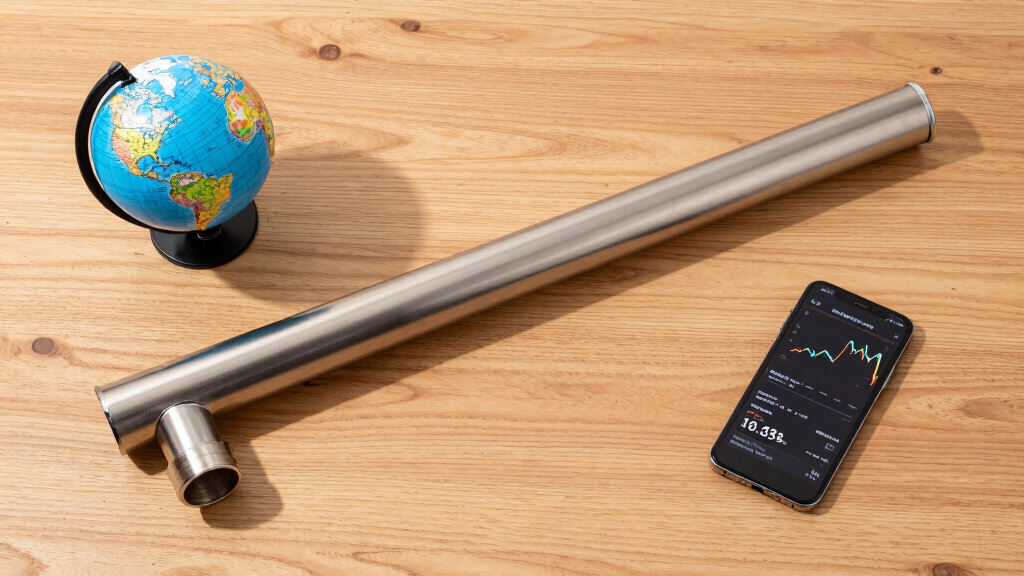
Sovereignty is a pipe, not a passport
Mistral sells European data sovereignty — then distributes its models through Azure, Bedrock & Google Cloud, the American infrastructure it tells customers to flee. A French passport on the lab doesn’t travel down an American wire.
Mistral-direct
hyperscaler
The CLOUD Act lets US authorities compel a US-headquartered provider to hand over data wherever it physically sits. Picking the “EU region” in AWS or Azure doesn’t resolve it — jurisdiction follows the company’s HQ, not the server’s location. Schrems II established the same from the EU side.
Mistral isn’t selling a lie — it’s selling a conditional truth, and the condition is the part the marketing skips. Sovereignty holds on Mistral’s own iron; it leaks the moment convenience routes the model through the American cloud. The deeper lesson cuts at Brussels: sovereignty is an end-to-end property of the whole stack — model, cloud, chips, supply chain — that Europe owns at no layer except the model itself. As Mensch put it: you “cannot regulate your way to computing supremacy.”
Implications of Jurisdiction for Data Sovereignty Claims
This analysis demonstrates that sovereignty is fundamentally a matter of legal jurisdiction, not just physical hosting or corporate nationality. European companies and regulators must understand that hosting data in Europe does not automatically shield it from US legal authority if the underlying infrastructure or service provider is US-based. This has major implications for European AI providers, policymakers, and enterprise buyers aiming for true sovereignty, as reliance on American cloud services reintroduces legal risks that physical location alone cannot mitigate.
European data sovereignty cloud hosting
As an affiliate, we earn on qualifying purchases.
As an affiliate, we earn on qualifying purchases.
Legal and Industry Frameworks Shaping Data Sovereignty
The debate over data sovereignty intensified after the Schrems II ruling in 2020, which invalidated the EU-US Privacy Shield due to conflicts between US and EU data laws. Since then, European regulators have been cautious, emphasizing that jurisdiction—not merely physical location—determines data protection and access rights. Companies like Mistral are navigating this landscape by positioning their infrastructure within Europe, but the reliance on American hardware and cloud platforms complicates sovereignty claims.
The industry has seen a shift towards certifications like SecNumCloud and BSI C5, which favor EU-based providers. Nevertheless, the fundamental legal challenge remains: US laws like the CLOUD Act extend jurisdiction over US-based entities, regardless of where data physically resides, creating a persistent legal dependency that European firms must address.
“Jurisdiction, not geography, determines whether authorities can access data stored in the cloud. Hosting in Europe doesn’t automatically shield data from US legal reach if the provider is US-based.”
— Legal expert on US cloud law
As an affiliate, we earn on qualifying purchases.
Legal and Technical Uncertainties in Sovereignty Claims
It remains unclear how European regulators will enforce sovereignty standards against hybrid models that combine local hosting with US cloud services. The effectiveness of EU data controls and the acceptance of US cloud providers’ EU-specific controls are still evolving, and legal interpretations vary across jurisdictions. Moreover, the hardware supply chain dependency on US companies like Nvidia complicates sovereignty claims further, but the full legal impact of this remains under debate.
As an affiliate, we earn on qualifying purchases.
Future Developments in European Data Sovereignty Strategies
European regulators and enterprises will likely continue refining standards and certifications to better address jurisdictional risks. Companies like Mistral may expand fully European-hosted models to strengthen sovereignty claims, while US cloud providers are expected to enhance their EU-specific controls. Legal debates over jurisdiction and hardware dependencies will shape future policies, with potential legislative changes and industry adaptations on the horizon.
As an affiliate, we earn on qualifying purchases.
Key Questions
Does hosting data in Europe guarantee sovereignty?
Not necessarily. While physical hosting in Europe reduces certain risks, US jurisdiction laws like the CLOUD Act can still apply if the data is managed or accessed through US-based infrastructure or companies.
Can European cloud providers fully shield data from US law?
They can reduce exposure through strict controls and certifications, but US laws still pose a legal risk if the underlying hardware or service provider is US-based, making complete shielding challenging.
What role does hardware supply chain play in sovereignty?
Hardware, such as Nvidia GPUs, is predominantly produced by US companies, which are subject to US export laws. This creates a dependency that complicates sovereignty claims, even if data is hosted within Europe.
Will European regulations change to address these jurisdiction issues?
European regulators are actively discussing measures to strengthen sovereignty, but legislative changes are still in development, and the legal landscape remains complex and evolving.
What should companies consider when choosing AI models and infrastructure?
They should evaluate not only physical hosting locations but also the legal jurisdictions governing the service providers and hardware supply chains, aiming for models that operate entirely within European legal and infrastructural boundaries if sovereignty is a priority.
Source: ThorstenMeyerAI.com
Halloween Picks
halloween
As an affiliate, we earn on qualifying purchases.