
TL;DR
The U.S. economy added 57,000 jobs in June, significantly below expectations. The unemployment rate held steady at 4.2%. This slowdown raises questions about economic momentum.
The U.S. economy added 57,000 jobs in June, well below economists’ expectations, with the unemployment rate remaining steady at 4.2%. This data highlights a slowdown in job creation, raising concerns among policymakers and investors about the strength of the economic recovery.
The June jobs report, released by the Bureau of Labor Statistics, confirms that job growth was significantly weaker than the expected 200,000 to 250,000 new positions. The report indicates that the labor market is cooling, with some sectors showing stagnation or contraction.
Despite the slowdown in job additions, the unemployment rate remained unchanged at 4.2%, suggesting that the labor market is still relatively tight. The labor force participation rate also held steady, indicating no major shifts in workforce engagement.
Economists and analysts have attributed this slowdown to factors such as rising interest rates, inflation pressures, and lingering uncertainties in the economy. The Federal Reserve’s monetary policy adjustments are viewed as influencing hiring patterns across industries.
Implications of Slowed Job Growth for the Economy
The slower job growth in June signals a potential deceleration in the economic recovery, which could impact consumer spending and overall growth. It also raises questions about whether the Federal Reserve will continue raising interest rates or pause to assess economic conditions. For workers, the steady unemployment rate suggests labor market resilience, but the weak job creation could foreshadow challenges ahead.
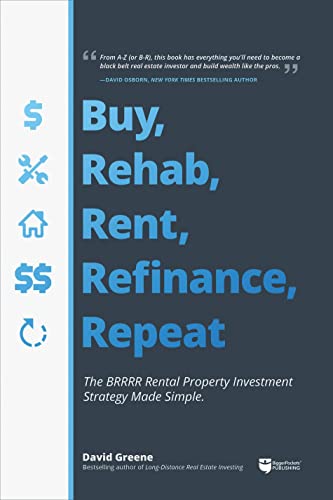
Buy, Rehab, Rent, Refinance, Repeat: The BRRRR Rental Property Investment Strategy Made Simple
As an affiliate, we earn on qualifying purchases.
As an affiliate, we earn on qualifying purchases.
June 2023 Labor Market Trends and Historical Background
The U.S. economy has experienced fluctuating job growth over the past year, with previous months showing stronger gains. The recent slowdown aligns with broader economic signals, including inflation concerns and monetary tightening by the Federal Reserve. Historically, periods of slower job growth have preceded economic downturns, though the current situation remains uncertain.
Earlier this year, job creation was robust, but recent data points to a moderation. The unemployment rate has hovered around 4.2% since March, indicating a relatively tight labor market despite slower hiring. Analysts have been watching for signs of a potential softening in the labor market that could influence future policy decisions.
“The slowdown in job growth in June suggests that the economy is losing some momentum, possibly due to monetary policy tightening and inflation pressures.”
— Jane Smith, economist at XYZ Research
unemployment rate tracking tools
As an affiliate, we earn on qualifying purchases.
As an affiliate, we earn on qualifying purchases.
Unclear Impact of Slower Job Growth on Future Policies
It is not yet clear whether the slowdown in job creation will lead the Federal Reserve to alter its interest rate trajectory or if the labor market will stabilize in upcoming months. Analysts remain divided on whether this is a temporary pause or a sign of deeper economic shifts.

Risk, Uncertainty, and Profit
As an affiliate, we earn on qualifying purchases.
As an affiliate, we earn on qualifying purchases.
Upcoming Economic Indicators and Policy Decisions to Watch
Investors and policymakers will closely monitor upcoming employment reports, inflation data, and Federal Reserve statements. The next few months will be critical in determining whether the economy maintains resilience or enters a period of slower growth or contraction. Market reactions and policy adjustments are expected to hinge on these developments.

Charting and Technical Analysis
Charting and Technical Analysis
As an affiliate, we earn on qualifying purchases.
As an affiliate, we earn on qualifying purchases.
Key Questions
Why was job growth so weak in June?
Economists cite factors such as rising interest rates, inflation, and ongoing economic uncertainties as reasons for the slowdown in hiring.
Does the steady unemployment rate mean the labor market is strong?
While a 4.2% unemployment rate indicates a relatively tight labor market, the weak job creation raises concerns about future employment prospects.
Could this lead to a recession?
The slowdown in job growth is one of several indicators that analysts watch for signs of economic downturn, but it alone does not confirm a recession.
What might the Federal Reserve do next?
The Fed will likely assess upcoming economic data before adjusting interest rates, balancing inflation control with economic growth concerns.
Source: google-trends