


Get smart everyday buys delivered free with Prime
- Fast, free delivery on millions of items
- Prime Video, Amazon Music and more included
- Member-only deals all year
Key Takeaways
- Most general 529 guides fail to address the SECURE 2.0 Act changes, making newer editions like the 2025 edition far more valuable than older classics.
- Resources dedicated to grandparents offer distinct estate planning strategies that standard parent-focused guides often overlook entirely.
- Print posters and visual aids lack the depth needed for tax strategy but serve as effective family communication tools for setting savings goals.
- Planner-focused texts provide the technical depth required for professionals but are often too dense for average consumers seeking quick answers.
- The best resources combine state-specific data with general principles, as 529 benefits vary widely by location and cannot be treated as one-size-fits-all.
| 529 & Education Savings Plans For Dummies (For Dummies (Business & Personal Finance)) |  | Best for Beginners | Title: 529 & Education Savings Plans For Dummies | Series: For Dummies | Category: Business & Personal Finance | VIEW LATEST PRICE | See Our Full Breakdown |
| 529 Plans: What Every Planner Needs to Know |  | Best for Financial Planners | Title: 529 Plans: What Every Planner Needs to Know | Subject: 529 plans | Intended audience indicated by title: Planners | VIEW LATEST PRICE | See Our Full Breakdown |
| The 529 Handbook: Maximize Your College Savings |  | Best for Focused Savings Guidance | Title: The 529 Handbook: Maximize Your College Savings | Subject: 529 college savings | Format: Book | VIEW LATEST PRICE | See Our Full Breakdown |
| Savingforcollege.com’s Complete Guide to 529 Plans: 2018/2019 12th Edition |  | Best for Historical Plan Comparisons | Title: Savingforcollege.com’s Complete Guide to 529 Plans | Edition: 12th Edition | Coverage period: 2018/2019 | VIEW LATEST PRICE | See Our Full Breakdown |
| 529 Education Savings Plans, College Funding Poster |  | Best for Workshops and Classrooms | Product type: Educational canvas art print | Size: 8 × 12 inches (20 × 30 cm) | Orientation: Landscape | VIEW LATEST PRICE | See Our Full Breakdown |
| How to Pay for College: A complete financial plan for funding your child’s education |  | Best for a Broader College-Funding Plan | Format: Book | Title focus: Paying for college | Subtitle: A complete financial plan for funding your child’s education | VIEW LATEST PRICE | See Our Full Breakdown |
| Tax-Preferred College Savings Plans: An Introduction to 529 Plans |  | Best for a Focused 529 Introduction | Format: Book | Subject: Tax-preferred college savings plans | Subtitle: An Introduction to 529 Plans | VIEW LATEST PRICE | See Our Full Breakdown |
| 529 College Savings Plans for Grandparents – 2019-2020 Edition |  | Best for Grandparent Account Owners | Format: Book | Subject: 529 college savings plans | Intended audience: Grandparents | VIEW LATEST PRICE | See Our Full Breakdown |
| The 529 College Savings Plan: The Smart Way to Fund Higher Education |  | Best for a 529-Centered College-Savings Read | Format: Book | Subject: 529 college savings plans | Subtitle: The Smart Way to Fund Higher Education | VIEW LATEST PRICE | See Our Full Breakdown |
| 529 Education Savings Plans, College Funding Poster | | Best Visual Aid for Workshops | Product type: Educational canvas art print | Brand: MIXIUJIEN | Orientation: Landscape | VIEW LATEST PRICE | See Our Full Breakdown |
| College Savings Plans: Navigating The 529 College Savings Plan | 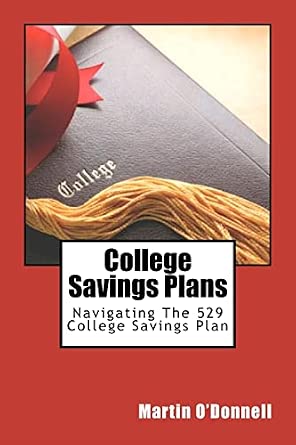 | Best for Absolute Beginners | Format: Paperback | Target Audience: General Consumers | Focus Area: Basic Mechanics | VIEW LATEST PRICE | See Our Full Breakdown |
| The Ultimate Guide to 529 Plans: 2025 Edition |  | Best Current Reference | Edition: 2025 | Content Type: Strategic Guide | Tax Updates: Current Year | VIEW LATEST PRICE | See Our Full Breakdown |
| 529 & Other College Savings Plans for Dummies |  | Best for Broad Overview | Series: For Dummies | Scope: Multi-Plan Comparison | Format: Checklist-Heavy | VIEW LATEST PRICE | See Our Full Breakdown |
| The 529 College Savings Plan Made Simple |  | Best for Step-by-Step Setup | Focus: Account Setup & Logistics | Investment Strategy: Minimal | Tax Strategy: Basic | VIEW LATEST PRICE | See Our Full Breakdown |
| Route 529: A Parent’s Guide to Saving for College and Career Training with 529 Plans |  | Best for Career & Alternative Paths | Focus: Career & Trade Schools | Approach: Strategic & Psychological | Non-College Uses: High Detail | VIEW LATEST PRICE | See Our Full Breakdown |
| college savings plan | Format | ASIN |
|---|---|---|
| 529 & Education Savings Plans | Book | 139416033X |
| 529 Plans: What Every Planner | Not specified in supplied data | B0CHDG9CGV |
| The 529 Handbook: Maximize You | Book | 0936348771 |
| Savingforcollege.com’s Complet | Not specified in supplied data | 0981549136 |
| 529 Education Savings Plans | — | B0HP5MJY6B |
| How to Pay for College: A comp | Book | 0857199293 |
| Tax-Preferred College Savings | Book | B00BPBWALU |
| 529 College Savings Plans for | Book | B07J255Q9R |
| The 529 College Savings Plan: | Book | 1572482389 |
| 529 Education Savings Plans | — | B0HP635M6B |
| College Savings Plans: Navigat | Paperback | — |
| The Ultimate Guide to 529 Plan | Digital/Print | — |
| 529 & Other College Savings Pl | Checklist-Heavy | — |
| The 529 College Savings Plan M | Instructional Guide | — |
| Route 529: A Parent’s Guide to | Narrative Guide | — |
More Details on Our Top Picks
529 & Education Savings Plans For Dummies (For Dummies (Business & Personal Finance))
For readers starting from scratch, 529 & Education Savings Plans For Dummies is the clearest entry point in this group: its broad education-savings framing suits someone who needs basic concepts explained before comparing account details. Unlike Savingforcollege.com’s Complete Guide to 529 Plans: 2018/2019 12th Edition, whose dated edition is a limitation for current rules, this title is not identified as a particular older edition in the supplied product information. That does not confirm that its guidance reflects current law, so I would check tax and state-plan details against current sources before acting. The tradeoff is scope: a beginner-friendly overview may not answer every state-specific or advanced planning question. Choose it to build a foundation, not as a substitute for current professional guidance.
Pros:- The For Dummies format signals an introductory approach suited to readers learning basic terminology.
- Covers education savings plans broadly rather than presenting itself as a single-state plan guide.
- A book format can support reading and reference away from a screen.
- The title is not marked with an older edition year in the supplied product details.
Cons:- The supplied information does not identify publication date or edition, making currency difficult to judge.
- No specific state-plan comparisons, investment options, or included tools are documented.
- A broad introduction may not provide enough depth for complex family or tax situations.
Best for: Parents and guardians who are new to 529 accounts and want an introductory book before comparing specific state plans.
Not ideal for: Experienced savers seeking current state-by-state plan comparisons, detailed investment analysis, or verified up-to-date tax guidance.
- Title:529 & Education Savings Plans For Dummies
- Series:For Dummies
- Category:Business & Personal Finance
- Format:Book
- Subject:529 and education savings plans
- ASIN:139416033X
Our verdict“Choose this as an introductory 529 reading option if you want approachable fundamentals and will verify current rules separately.”
529 Plans: What Every Planner Needs to Know
529 Plans: What Every Planner Needs to Know is the most professionally framed title in this set: its wording points toward readers who advise families, rather than parents looking for a gentle first explanation. That makes it a sharper fit for planners who need to organize 529 topics in client conversations than 529 & Education Savings Plans For Dummies, which is positioned for broad introductory reading. The tradeoff is that the supplied listing gives no description, edition, publication date, or format details beyond the book-like title, so I cannot confirm its depth or currentness. Buyers should check those details before relying on it for present-day tax or plan rules. It makes most sense as a focused reference, not as a guaranteed current compliance resource.
Pros:- The title explicitly centers 529 plans rather than general college funding.
- Its planner-focused framing may suit professional client education better than a broad introductory title.
- A dedicated subject focus can help readers keep attention on 529 planning.
- The supplied product data identifies a distinct 529-specific resource.
Cons:- No description, edition, or publication date is supplied to verify scope or currency.
- The intended professional audience may be less approachable for first-time savers.
- No specific plan comparisons, tax topics, or practical tools are documented.
Best for: Financial planners and education-funding advisers who want a 529-focused resource to support client discussions.
Not ideal for: Parents seeking a confirmed beginner-friendly guide or readers who require documented publication details and current state-by-state information.
- Title:529 Plans: What Every Planner Needs to Know
- Subject:529 plans
- Intended audience indicated by title:Planners
- Format:Not specified in supplied data
- Edition:Not specified in supplied data
- Publication date:Not specified in supplied data
- ASIN:B0CHDG9CGV
Our verdict“Pick this for a planner-oriented 529 reference only after confirming its edition and coverage meet your current advisory needs.”
The 529 Handbook: Maximize Your College Savings
The 529 Handbook: Maximize Your College Savings promises a practical, savings-centered treatment, making it a natural choice for readers who already know the basics and want to focus on using a 529 for college funding. Compared with 529 & Education Savings Plans For Dummies, its title suggests a narrower, more action-oriented scope rather than a general introduction. That focus is useful if your main question is how to think about college savings, but the supplied data does not reveal an edition, publication date, or specific strategies covered. Since plan rules and tax treatment can change, that missing context matters. I would treat it as a potentially useful framework, then confirm any plan-specific recommendations with current sources rather than assuming the handbook reflects today’s rules.
Pros:- The title focuses directly on 529 savings for college rather than education finance in general.
- Its handbook framing suggests a practical reference role for savers.
- The savings emphasis distinguishes it from the planner-oriented 529 Plans title.
- May suit readers seeking a more focused follow-up after learning basic 529 concepts.
Cons:- No publication date or edition is supplied, so currentness cannot be established.
- The available data does not specify which savings strategies or plan features it covers.
- No state-by-state comparisons or other supporting materials are documented.
Best for: Families who understand the basic purpose of 529 accounts and want a focused guide centered on college savings.
Not ideal for: Readers who need a verified current edition, detailed state-plan comparisons, or a clearly documented beginner curriculum.
- Title:The 529 Handbook: Maximize Your College Savings
- Subject:529 college savings
- Format:Book
- Stated focus:Maximizing college savings
- Edition:Not specified in supplied data
- Publication date:Not specified in supplied data
- ASIN:0936348771
Our verdict“Consider this focused handbook if college savings is your main concern, but verify the edition and rules before applying its guidance.”
Savingforcollege.com’s Complete Guide to 529 Plans: 2018/2019 12th Edition
Among these titles, Savingforcollege.com’s Complete Guide to 529 Plans has the clearest documented edition and the strongest signal of broad plan coverage. That makes it more comparison-oriented than The 529 Handbook: Maximize Your College Savings, whose supplied details do not specify edition or contents. Its major drawback is equally clear: the 2018/2019 12th Edition is dated, so plan terms, tax rules, and state policies may have changed since publication. I would use it for background or historical context, not for choosing a plan today without checking current official information. Readers who value a defined edition and comprehensive scope may find it useful, but anyone seeking current decision guidance should favor a newer resource.
Pros:- The title explicitly presents itself as a complete guide to 529 plans.
- The 12th Edition and 2018/2019 coverage period are clearly identified.
- Its plan-wide framing suits comparison research better than a narrowly savings-focused title.
- The named Savingforcollege.com source gives readers a clear subject-specific reference point.
Cons:- The 2018/2019 edition is dated for decisions involving current plan terms and tax rules.
- Readers must verify information against current sources before making account choices.
- The supplied data does not specify format, page count, or included comparison tools.
Best for: Readers researching the history or structure of 529 plans who can independently verify current plan rules.
Not ideal for: Families choosing a plan now or relying on current tax, investment, and state-policy details from a guide published for 2018/2019.
- Title:Savingforcollege.com’s Complete Guide to 529 Plans
- Edition:12th Edition
- Coverage period:2018/2019
- Subject:529 plans
- Publisher or source named in title:Savingforcollege.com
- Format:Not specified in supplied data
- ASIN:0981549136
Our verdict“Use this for background on 529 plan comparisons, but do not rely on its 2018/2019 guidance as current advice.”
529 Education Savings Plans, College Funding Poster
529 Education Savings Plans, College Funding Poster is the only visual teaching aid in this group, so it serves a different purpose from books such as 529 & Education Savings Plans For Dummies. Its canvas summarizes account structure, tax treatment, qualified education uses, and the general tax consequences of nonqualified withdrawals—useful prompts for a workshop or family finance session. At 8 × 12 inches, it is a compact display rather than a detailed reference, and the unframed format requires a separate display solution. The listing also cautions readers to check state treatment, which is a meaningful limit for anyone seeking personalized guidance. I would use it to support a conversation, not to select a plan or replace current tax advice.
Pros:- Explains account structure and basic tax treatment in a visual format suited to group teaching.
- Lists qualified uses including tuition, required fees, books, and room and board.
- Notes that nonqualified withdrawals generally involve tax on earnings and an additional federal tax.
- Compact landscape canvas format can fit a classroom or family-finance display.
Cons:- At 8 × 12 inches, it has limited room for detailed plan comparisons or explanations.
- Unframed presentation means buyers need their own display arrangement.
- State tax treatment and current rules still require separate verification.
Best for: College-savings workshop leaders, teachers, or families who want a compact visual aid for explaining basic 529 concepts.
Not ideal for: People choosing a specific 529 plan or seeking detailed, current tax guidance; the poster is a summary and does not supply individualized advice.
- Product type:Educational canvas art print
- Size:8 × 12 inches (20 × 30 cm)
- Orientation:Landscape
- Frame:Unframed
- Material:Canvas
- Brand:MIXIUJIEN
- Manufacturer:MIXIUJIEN
- ASIN:B0HP5MJY6B
Our verdict“Choose this as a classroom or workshop visual aid, not as a standalone guide for selecting or managing a 529 plan.”
How to Pay for College: A complete financial plan for funding your child’s education
How to Pay for College is the broadest-fit choice here for parents who want to place 529 saving within a larger education-funding plan. Its title promises a complete approach to paying for college, rather than a guide centered only on 529 account rules. That makes it a useful contrast with Tax-Preferred College Savings Plans: An Introduction to 529 Plans, which is more narrowly focused on 529s. The tradeoff is that readers seeking current, state-specific plan details may need another source; no edition date or contents are supplied here, so I can’t judge how recently its guidance was updated. I’d choose it to frame the family’s funding decisions, then verify tax and plan rules with current official sources before acting.
Pros:- A broad college-funding focus can put 529 contributions alongside other funding decisions.
- The title positions it as a financial plan rather than a single-topic account primer.
- Its parent-and-child framing makes the intended audience clear.
Cons:- The available information does not confirm specific 529 topics, such as plan selection or withdrawal rules.
- No publication date or edition details are provided, so readers cannot judge currency from the listing.
- Its wider scope may be less direct for someone who only wants an introduction to 529 plans.
Best for: Parents who want a broad framework for funding a child’s college education, with 529 saving considered as one part of the plan.
Not ideal for: Readers who want a current, state-by-state comparison of 529 plans or detailed account instructions; the supplied product information does not establish that level of coverage.
- Format:Book
- Title focus:Paying for college
- Subtitle:A complete financial plan for funding your child’s education
- Intended audience:Parents funding a child’s education
- ISBN-10:0857199293
- ASIN:0857199293
Our verdict“Choose this for a wider college-funding framework, but pair it with current official guidance for 529-specific rules.”
Tax-Preferred College Savings Plans: An Introduction to 529 Plans
Tax-Preferred College Savings Plans has the clearest narrow purpose in this group: introducing 529 plans and their tax-preferred role in college saving. That focus makes it a more direct starting point than How to Pay for College, whose title signals a wider funding plan. It may suit readers who want to get oriented before comparing individual state plans, but “introduction” also sets a limit: the supplied listing provides no edition date, state coverage, or evidence of detailed plan comparisons. Because tax rules and plan features can change, I would treat it as a primer rather than a final authority. Readers who already understand 529 basics may get more value from a broader or more specialized guide.
Pros:- Its title explicitly centers 529 plans, keeping the subject focused.
- An introductory scope can help new savers build basic familiarity before choosing a plan.
- The tax-preferred framing signals that tax treatment is part of its subject.
Cons:- The supplied information does not confirm detailed coverage of contribution, withdrawal, or state rules.
- No publication date or edition information is provided to establish how current it is.
- Its introductory positioning may leave experienced savers wanting more depth.
Best for: First-time savers who want an introductory explanation of 529 plans before researching specific state offerings.
Not ideal for: Experienced account owners seeking detailed, current plan comparisons, state tax treatment, or advanced withdrawal guidance.
- Format:Book
- Subject:Tax-preferred college savings plans
- Subtitle:An Introduction to 529 Plans
- Intended audience:Readers seeking an introduction to 529 plans
- ASIN:B00BPBWALU
Our verdict“Pick this as a focused starting point for 529 basics, not as your sole source for current plan or tax decisions.”
529 College Savings Plans for Grandparents – 2019-2020 Edition
529 College Savings Plans for Grandparents is the most audience-specific pick in this set, addressing grandparents rather than parents or general readers. That distinction matters for families where a grandparent wants to contribute to a beneficiary’s education savings and needs guidance framed around that role. Compared with Tax-Preferred College Savings Plans: An Introduction to 529 Plans, this title signals a narrower family perspective instead of a general primer. Its clearest limitation is the 2019–2020 edition: readers should not rely on it alone for current tax, financial-aid, or plan rules. The supplied details also do not specify which topics it covers, so I’d use it for a targeted starting point and confirm present-day rules with official sources.
Pros:- The title directly addresses grandparents as the intended audience.
- Its family-role focus distinguishes it from general 529 introductions.
- It may help grandparents identify questions to resolve before contributing to a beneficiary’s plan.
Cons:- The 2019–2020 edition date makes it a dated source for rules that may have changed.
- The supplied listing does not confirm the guide’s specific coverage or depth.
- Its narrow audience may make it less useful for parents seeking a general college-savings guide.
Best for: Grandparents who want a guide framed around their role in saving for a grandchild’s college education.
Not ideal for: Readers who need current guidance on 529 tax treatment, financial-aid rules, or state plan features, since this is identified as a 2019–2020 edition.
- Format:Book
- Subject:529 college savings plans
- Intended audience:Grandparents
- Edition:2019–2020 Edition
- ASIN:B07J255Q9R
Our verdict“Choose this for a grandparent-focused starting point, but verify all current 529 and aid rules elsewhere.”
The 529 College Savings Plan: The Smart Way to Fund Higher Education
The 529 College Savings Plan puts the account itself at the center of its college-funding message, making it a natural choice for readers who already know they want to learn about 529 saving. Its framing is more pointed than How to Pay for College, which promises a complete financial plan, and less explicitly introductory than Tax-Preferred College Savings Plans. That gives it a distinct middle ground: a 529-focused read aimed at connecting the plan with higher-education funding. However, the supplied product data does not include an edition date or chapter details, so I can’t confirm how current or technically detailed its guidance is. I’d use it to build context, then check current state and federal rules before making account decisions.
Pros:- The title makes 529 plans the central subject rather than one funding option among many.
- It links college saving to the practical goal of funding higher education.
- Its framing offers a middle ground between a broad financing book and a basic 529 introduction.
Cons:- No edition date is supplied, making the currency of its guidance unclear.
- The available product data does not describe its specific topics or depth.
- Readers seeking a wider financial plan may prefer How to Pay for College.
Best for: Savers who want a 529-focused book connecting college savings with the broader goal of funding higher education.
Not ideal for: Readers who require verified current guidance or a clearly documented state-by-state plan comparison; those details are not supplied.
- Format:Book
- Subject:529 college savings plans
- Subtitle:The Smart Way to Fund Higher Education
- Intended audience:Readers exploring 529 plans for higher-education funding
- ISBN-10:1572482389
- ASIN:1572482389
Our verdict“Choose this for a 529-centered college-funding read, while checking current rules through official sources.”
529 Education Savings Plans, College Funding Poster
529 Education Savings Plans, College Funding Poster is the only visual teaching aid in this group, so its role is different from books such as The 529 College Savings Plan: The Smart Way to Fund Higher Education. The canvas summarizes account ownership, tax treatment, qualified education costs, and the general tax consequences of nonqualified withdrawals. That makes it useful as a classroom or family-night prompt, where a visible overview can support discussion. A poster cannot replace a detailed guide, though, and its own description advises checking state treatment of 529 earnings. Its stated size is 12 × 18 inches and it is unframed, so buyers should plan for display needs. I’d choose it for teaching or reference on a wall, not for making account decisions by itself.
Pros:- Summarizes account structure, tax treatment, qualified uses, and nonqualified withdrawal rules in a visual format.
- Useful as a discussion aid for workshops, classrooms, and family finance nights.
- Its 12 × 18-inch landscape format provides a dedicated display piece.
Cons:- A poster cannot provide the depth or decision support of a 529 book or official plan materials.
- It is unframed, so display may require separate mounting or framing.
- State tax treatment varies, and the poster description directs readers to check it.
Best for: College-savings workshop leaders, personal-finance teachers, or families who want a visual 529 overview for discussion.
Not ideal for: Savers who need detailed plan comparisons, current state-specific tax advice, or a portable reference for opening and managing an account.
- Product type:Educational canvas art print
- Brand:MIXIUJIEN
- Orientation:Landscape
- Size:12 × 18 inches (30 × 45 cm)
- Frame:Unframed
- Material:Canvas
- Topics shown:Account structure, tax treatment, qualified uses, and nonqualified withdrawal tax
- ASIN:B0HP635M6B
Our verdict“Buy this as a classroom or family discussion aid, not as a substitute for detailed, current 529 guidance.”
College Savings Plans: Navigating The 529 College Savings Plan
This book serves as a gentle introduction for parents who feel overwhelmed by financial jargon. Unlike The Ultimate Guide to 529 Plans: 2025 Edition, which dives deep into current tax codes, this title focuses on the foundational mechanics of how these accounts actually work. It breaks down the difference between prepaid tuition plans and investment savings plans without assuming prior knowledge. The narrative style is accessible, making it ideal for those who prefer conceptual understanding over spreadsheet-heavy analysis. However, because it prioritizes accessibility, it lacks the granular state-specific data found in more comprehensive guides. Readers looking for advanced strategies like tax arbitrage or multi-beneficiary management will find the content too basic. It is a starting point, not a finish line, for serious college funding planning.
Pros:- Explains complex financial concepts in plain, non-intimidating language.
- Clearly distinguishes between different types of college savings vehicles.
- Provides a solid conceptual framework for understanding account ownership.
Cons:- Lacks detailed state-specific fee and performance comparisons.
- Content can feel overly simplified for financially literate readers.
- Does not cover advanced tax strategies or recent legislative changes.
Best for: Parents with zero financial background who need to understand the basic definitions and mechanics of 529 accounts before taking action.
Not ideal for: Experienced investors or financial advisors who need up-to-date tax code specifics and state-by-state comparison data.
- Format:Paperback
- Target Audience:General Consumers
- Focus Area:Basic Mechanics
- Complexity Level:Entry-Level
- State Specificity:Low
- Tax Detail:General Overview
Our verdict“This is the right first book to read if you are confused by the terminology, but you will need a more detailed guide to make actual investment decisions.”
The Ultimate Guide to 529 Plans: 2025 Edition
This edition stands out for its timeliness, addressing recent shifts in tax law that older guides miss. Compared to 529 & Other College Savings Plans for Dummies, this book offers a more strategic approach, focusing on how to optimize contributions against current IRS limits. It includes updated information on K-12 tuition withdrawals and apprenticeship programs, which are critical for modern families. The structure is data-heavy, providing side-by-side comparisons of popular state plans. However, the density can be intimidating for first-time buyers. While it covers the what and how of current regulations, it sometimes assumes the reader already understands basic asset allocation. It is a powerful tool for execution, but less effective for initial education than simpler titles. Use this to refine your strategy, not to build one from scratch.
Pros:- Includes the most recent legislative changes and withdrawal rules.
- Offers detailed comparisons of state plan fees and investment options.
- Covers non-traditional education expenses like apprenticeships.
Cons:- Text is dense and can be difficult to skim for quick answers.
- Assumes a baseline knowledge of investment terminology.
- Less focus on long-term psychological aspects of saving.
Best for: Parents who already understand the basics and need up-to-date tax rules, contribution limits, and state plan comparisons for 2025.
Not ideal for: Complete beginners who will be confused by the dense formatting and lack of foundational definitions.
- Edition:2025
- Content Type:Strategic Guide
- Tax Updates:Current Year
- State Comparisons:High Detail
- Complexity Level:Intermediate to Advanced
- Format:Digital/Print
Our verdict“Choose this book if you are ready to open an account and need accurate, current data to choose the right state plan.”
529 & Other College Savings Plans for Dummies
As part of the renowned Dummies series, this book excels at contextualizing 529 plans within the wider landscape of education savings. It compares 529s against Coverdell ESAs and UGMA/UTMA accounts, helping readers understand when a 529 might not be the right choice. This broader perspective is a significant advantage over The 529 College Savings Plan Made Simple, which focuses almost exclusively on 529 mechanics. The book uses checklists and clear headings, making it easy to reference specific topics like beneficiary changes. However, because it covers multiple account types, the depth on 529-specific investment strategies is diluted. It serves as a decision-making framework rather than a manual for optimizing a single account. Readers looking for deep dives into portfolio rebalancing within a 529 should look elsewhere.
Pros:- Compares 529 plans against alternative savings methods effectively.
- Uses the accessible ‘For Dummies’ format with clear checklists.
- Helps readers determine if a 529 is the right fit for their situation.
Cons:- Less depth on 529-specific investment performance metrics.
- Generalist approach may leave out niche 529 strategies.
- Older editions may lack current tax code details.
Best for: Parents who are undecided between 529 plans and other savings vehicles like Coverdell ESAs or brokerage accounts.
Not ideal for: Those who have already committed to a 529 plan and want deep technical advice on managing that specific account.
- Series:For Dummies
- Scope:Multi-Plan Comparison
- Format:Checklist-Heavy
- Depth on 529s:Moderate
- Alternative Plans:Covered
- Complexity Level:Beginner to Intermediate
Our verdict“This is the best choice if you are still weighing 529 plans against other college funding options.”
The 529 College Savings Plan Made Simple
This title focuses on the operational side of opening and managing a 529 account. It strips away the theoretical debates found in Route 529: A Parent’s Guide and provides direct instructions on paperwork, beneficiary designation, and initial funding. The strength lies in its procedural clarity, walking users through the exact steps to open an account without getting bogged down in investment theory. However, this simplicity comes at the cost of strategic depth. It does not adequately address how to adjust contributions as a child ages or how to handle tax implications of withdrawals. While The Ultimate Guide to 529 Plans: 2025 Edition helps you choose the best plan, this book helps you execute the choice. It is a practical manual for the ‘how-to’ of account setup, not a guide for long-term wealth optimization.
Pros:- Provides clear, step-by-step instructions for account opening.
- Focuses on practical logistics rather than abstract theory.
- Reduces friction for parents hesitant to start the process.
Cons:- Lacks guidance on investment selection and portfolio management.
- Minimal coverage of tax consequences for withdrawals.
- Does not compare different state plans in detail.
Best for: Parents who are ready to open an account immediately and need clear, step-by-step instructions on the logistics of setup.
Not ideal for: Investors who need help selecting investment portfolios or managing long-term tax implications.
- Focus:Account Setup & Logistics
- Investment Strategy:Minimal
- Tax Strategy:Basic
- Actionability:High
- Complexity Level:Beginner
- Format:Instructional Guide
Our verdict“Pick this book if you know what you want to do but need help navigating the administrative steps of opening the account.”
Route 529: A Parent’s Guide to Saving for College and Career Training with 529 Plans
This guide takes a modern, flexible approach to college savings, emphasizing that 529 funds are not limited to traditional four-year degrees. It explicitly details how to use funds for trade schools, boot camps, and career training, a angle often missing in older texts like College Savings Plans: Navigating The 529 College Savings Plan. The author addresses the psychological barrier parents face when saving for a future that may not involve college. It encourages saving even if the student’s path is uncertain. However, the book is less rigorous on the technical financial mechanics compared to The Ultimate Guide to 529 Plans: 2025 Edition. It is more of a philosophical and strategic companion than a technical manual. Readers looking for hard data on fee structures will need to supplement this with a more data-driven resource.
Pros:- Highlights non-traditional education uses for 529 funds.
- Addresses the emotional and psychological aspects of saving.
- Encourages flexible saving strategies for uncertain futures.
Cons:- Less detailed on specific state plan performance metrics.
- Technical financial advice is secondary to strategic mindset.
- May not satisfy readers looking for pure data-driven analysis.
Best for: Parents who are unsure if their child will attend traditional college and want to save for vocational training or gap years.
Not ideal for: Those who need detailed numerical comparisons of state plan fees and historical investment performance.
- Focus:Career & Trade Schools
- Approach:Strategic & Psychological
- Non-College Uses:High Detail
- Technical Depth:Moderate
- Audience:Uncertain Path Parents
- Format:Narrative Guide
Our verdict“This is the ideal read for parents who want to save confidently for any post-secondary path, not just a university degree.”

How We Picked
I evaluated these resources based on their currency of information, given that tax laws and investment platforms change frequently. Older guides, while structurally sound, often contain outdated advice regarding contribution limits and qualified expenses. I prioritized materials that address recent legislative updates, such as the rollover capabilities to Roth IRAs and the inclusion of apprenticeships and K-12 tuition. Additionally, I assessed the clarity and audience fit of each resource. A guide meant for financial planners has different utility than one meant for a first-time parent. I looked for clear distinctions between beginner-friendly overviews and advanced strategic manuals. Finally, I considered the depth of state-specific data, as the value of a 529 plan is heavily dependent on state tax deductions and investment menu options.Factors to Consider When Choosing 529 College Savings Plans
Selecting the right educational resource is the first step in managing a 529 account. The market is flooded with outdated information, so you must filter for relevance and specific utility.Currency of Tax and Legislative Information
The landscape of 529 college savings plans has shifted dramatically in recent years. Laws regarding qualified expenses, such as the inclusion of K-12 tuition and apprenticeships, are relatively new. An outdated guide might still claim only higher education expenses are covered, leading to potential tax penalties. Always check the publication date and look for mentions of the SECURE 2.0 Act or recent state tax changes. If a resource does not address Roth IRA rollovers, it is likely missing significant strategic opportunities. This factor is the single most important differentiator between a useful tool and a misleading one.Target Audience and Technical Depth
Not every guide is written for the same reader. A financial planner needs technical details on trust ownership and state reciprocity, which can overwhelm a parent trying to open an account. Conversely, a beginner-friendly book may lack the nuance needed for high-net-worth estate planning. Identify your role before buying. If you are a DIY investor, look for step-by-step setup guides. If you are advising others, seek out resources with case studies and legal frameworks. Mismatching the complexity level leads to confusion or missed opportunities for optimization.State-Specific vs. General Advice
529 plans are state-sponsored, meaning tax deductions and investment menus vary significantly by location. A general guide provides the framework, but you must apply it to your specific state’s offerings. Some resources offer broad national comparisons, while others focus on state-specific incentives. The best approach is to use a general guide to understand the mechanics and then consult your state’s official plan documents for specific fees. Be wary of books that promise universal ‘best plans’ without acknowledging that state tax breaks often outweigh investment performance differences for in-state residents.Focus on Beneficiary Flexibility and Strategy
Modern 529 usage has expanded beyond traditional college degrees. Look for resources that discuss beneficiary changes, scholarship refunds, and unused funds. Older materials might not cover the ability to change beneficiaries to siblings or other relatives without tax penalties. Strategic guides should also address what happens if your child does not attend college. Understanding these exit strategies is just as important as the accumulation phase. A resource that ignores these scenarios leaves you unprepared for the most common real-world deviations from the plan.Integration with Other Savings Vehicles
A 529 plan is rarely the only tool in your financial arsenal. The best guides explain how 529s interact with Roth IRAs, Coverdell ESAs, and UTMA/UGMA accounts. Understanding this ecosystem prevents double-taxation and maximizes overall wealth building. Many basic guides treat 529s in isolation, which can lead to suboptimal asset allocation across your child’s future. Look for content that offers a holistic view of education funding, comparing costs and benefits across different account types. This comparative approach ensures you are not missing out on better-suited instruments for specific financial goals.Frequently Asked Questions
Are older editions of 529 plan guides still useful?
Generally, no. Tax laws and qualified expense definitions change frequently. An older edition might miss critical updates like the ability to roll over unused funds to a Roth IRA or cover K-12 tuition. Using outdated advice could result in tax penalties or missed savings opportunities. Always prioritize the most recent publication to ensure the strategies align with current IRS regulations and state-specific incentives.Do I need a separate guide if I am a grandparent?
Yes, it is highly recommended. Grandparents have unique estate planning advantages and disadvantages when contributing to 529 plans. Standard guides often assume the contributor is a parent, which changes how the assets are counted for financial aid purposes and estate tax exemptions. A dedicated grandparent resource will address strategies for maintaining control over the funds while minimizing impact on the student’s aid eligibility.Can I use a general 529 guide if I live in a state with no income tax?
Yes, but your strategy will differ from residents of high-tax states. Since you do not receive state tax deductions, your primary focus shifts to investment performance and fees. General guides often emphasize state tax benefits, which are irrelevant to you. You should look for resources that compare investment menu costs and track records, as these factors become the primary drivers of long-term growth when tax deductions are not in play.Are visual posters or charts effective for learning about 529 plans?
They are excellent for high-level understanding and family discussions but insufficient for execution. A poster can help visualize the compound growth or the difference between a 529 and a savings account. However, they lack the legal and tax nuance required to open and manage an account correctly. Use them as conversation starters, but rely on detailed written guides for the actual decision-making process.What is the biggest mistake people make when reading 529 resources?
The most common error is assuming one-size-fits-all application. Readers often take national advice and apply it to their specific state without checking local rules. Another mistake is ignoring the beneficiary flexibility clauses. Many people believe funds are locked to one child, leading to panic if that child chooses a gap year or vocational training. Always verify how the guide’s advice applies to your specific state’s plan and your family’s unique educational goals.Conclusion
If you want the most comprehensive and up-to-date overview, The Ultimate Guide to 529 Plans: 2025 Edition is the best overall choice due to its recent legislative coverage. For those new to the concept, 529 & Other College Savings Plans for Dummies offers the clearest path to understanding the basics without overwhelming jargon. Grandparents should specifically choose 529 College Savings Plans for Grandparents to navigate the complex estate planning and financial aid implications unique to that role. Financial professionals will find 529 Plans: What Every Planner Needs to Know indispensable for its technical depth and client-facing strategies. Ultimately, the right resource depends on your specific role and need for legal precision versus general education.Fall Picks
fall essentials
As an affiliate, we earn on qualifying purchases.