

To prepare for diligence on vendor dependence, review all your vendor agreements carefully, focusing on renewal, termination, and liability clauses. Organize a detailed record of vendor performance, financial stability, and risk assessments, including backup plans and diversification strategies. Clearly explain your approach to monitoring vendor relationships and implementing contingency plans. Demonstrating transparency, control, and a proactive risk management approach reassures evaluators of your operational stability. Keep exploring further strategies to strengthen your vendor management processes and readiness.

Get smart everyday buys delivered free with Prime
- Fast, free delivery on millions of items
- Prime Video, Amazon Music and more included
- Member-only deals all year
Key Takeaways
- Conduct thorough contract reviews to ensure clear terms, obligations, and renewal or termination clauses are up-to-date and well-documented.
- Regularly assess vendor financial stability, operational resilience, and compliance with SLAs to identify potential risks early.
- Maintain an organized, accessible vendor documentation repository highlighting dependencies, backup plans, and risk mitigation strategies.
- Develop contingency plans and diversify vendor relationships to minimize the impact of potential disruptions.
- Transparently communicate vendor management processes, risk assessments, and mitigation efforts to demonstrate control and stability.
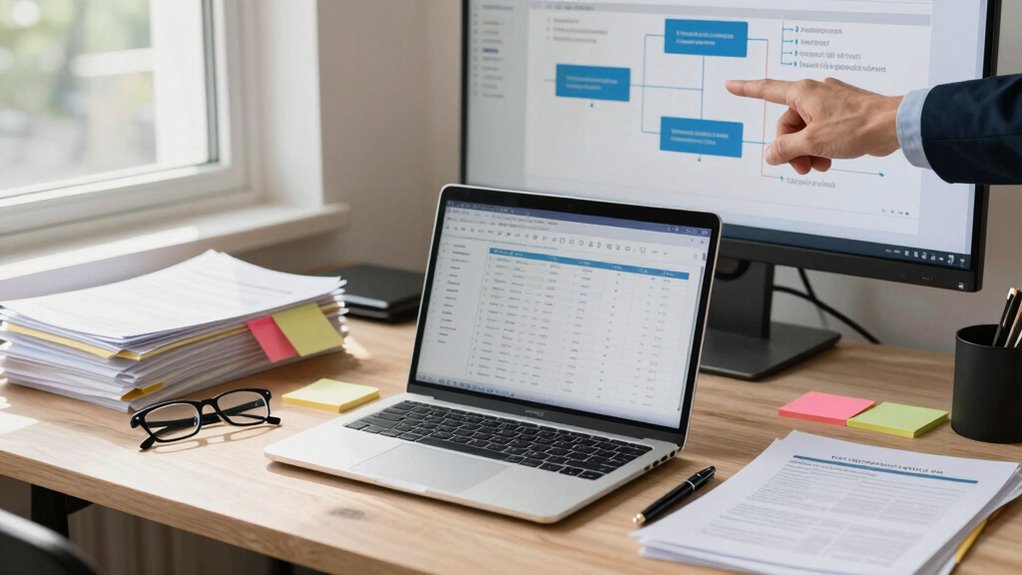
Preparing for diligence on vendor dependence is crucial because it can profoundly influence your company’s valuation and operational stability. When potential investors or buyers scrutinize your business, they’ll want to understand how reliant you are on key vendors and the risks involved. Vendor risk becomes a critical part of this assessment, and your ability to demonstrate control and transparency can make or break the deal. To get ready, start by conducting a thorough contract review. This means examining all agreements with your vendors to identify terms, obligations, and potential vulnerabilities. Look for renewal clauses, termination provisions, or any conditions that could disrupt service continuity. Understanding these details helps you anticipate issues that might arise during due diligence and positions you to address them proactively.
Thorough vendor contract review and risk assessment are essential for demonstrating control and ensuring operational stability during diligence.
Next, organize all vendor contracts systematically. A well-maintained, easily accessible contract repository signals professionalism and preparedness. Ensure that each contract is up to date, with clear scope, pricing, and service level agreements (SLAs). During your contract review, pay attention to clauses that limit liability or impose penalties, as these can influence your risk profile. Also, verify whether any contracts have automatic renewal provisions, which could lock you into unfavorable terms if not managed properly. By maintaining clarity on your contractual landscape, you reduce surprises during diligence and demonstrate control over your vendor relationships. Maintaining good vendor documentation is essential for transparency and efficient review processes.
In addition to reviewing contracts, it’s crucial to assess your ongoing vendor risk. This involves evaluating each vendor’s financial stability, reputation, and operational resilience. Conduct risk assessments to identify potential single points of failure—vendors whose disruption could greatly impact your business. Document your findings and develop contingency plans for critical dependencies. Showing that you actively monitor and manage vendor risk reassures investors that you’re not blindly dependent on any single vendor and that you’re prepared for possible disruptions. Incorporating insights from home theatre technology and other technical standards can also enhance your understanding of vendor capabilities and performance benchmarks. Regularly updating your risk assessments ensures your strategies remain relevant and effective.
Finally, communicate your vendor management strategy clearly. Prepare documentation that explains your process for selecting vendors, managing relationships, and mitigating risks. Highlight any diversified vendor agreements or backup plans you have in place. Transparency in your vendor risk management approach demonstrates maturity and reduces perceived vulnerabilities. When diligence begins, having a well-rounded understanding of your vendor dependencies and risk mitigation strategies positions you as a prepared, responsible business. This preparation not only helps protect your company’s valuation but also ensures smoother negotiations and a more confident presentation of your operational stability.
As an affiliate, we earn on qualifying purchases.
Frequently Asked Questions
How Do You Identify Critical Vendors for Diligence?
You identify critical vendors by analyzing your supply chain and focusing on those essential for your operations. Look for vendors with significant revenue contributions or limited alternatives, emphasizing vendor diversification to reduce risks. During contract negotiations, assess their stability and dependency levels. This process helps pinpoint which vendors are crucial, ensuring you prioritize diligence efforts on those whose failure could disrupt your business or impact compliance.
What Are Common Red Flags in Vendor Dependence Assessments?
You should watch for red flags like poor vendor compliance with contractual obligations, which can signal risks. Over-reliance on a single vendor, especially if their performance is unstable or if contract renegotiation seems unlikely, also raises concerns. Additionally, inconsistent communication, delays in deliverables, or hidden dependencies in their supply chain can indicate vulnerabilities. Addressing these issues early helps you mitigate risks before they impact your operations.
How Often Should Vendor Diligence Be Updated?
You should update vendor diligence at least annually—because who doesn’t love surprises during contract renewal time? Regular check-ins on vendor communication guarantee you’re not caught off guard, especially if dependencies shift. Staying proactive helps you spot red flags early and keeps your vendor relationships healthy. Don’t wait until a red flag appears during renewal; routine updates are your best defense against unexpected surprises.
What Tools Assist in Vendor Risk Analysis?
You can use tools like vendor risk management platforms to streamline risk analysis, especially during contract negotiation. These tools help assess vendor data security, identify vulnerabilities, and monitor ongoing compliance. Automated assessments and dashboards make it easier to evaluate risks quickly, ensuring you stay ahead in vendor dependence. By leveraging these tools, you enhance your ability to manage vendor risks proactively, protecting your organization from potential security breaches or contractual issues.
How to Handle Vendor Dependence During Mergers?
Imagine your vendor relationship is a delicate tightrope walk. During mergers, you need to strengthen your balance by reviewing contracts and ensuring clear vendor dependence limits. Prioritize open communication and renegotiate terms if needed, like tightening a safety net. This proactive approach helps you maintain control and minimizes risks, making the shift smoother. Remember, solid contract negotiation is your safety harness, preventing slips in vendor reliance during critical merger phases.
As an affiliate, we earn on qualifying purchases.
Conclusion
Preparing for diligence on vendor dependence might seem like steering a delicate dance, but with the right steps, you’ll find yourself well-positioned. By proactively addressing potential concerns and showcasing your strategic approach, you create a positive impression that resonates. Remember, a little extra care goes a long way—think of it as fine-tuning your rhythm. When diligence concludes, you’ll walk away confident, knowing you’ve laid a solid foundation for lasting success.
As an affiliate, we earn on qualifying purchases.
vendor performance tracking software
As an affiliate, we earn on qualifying purchases.
As an affiliate, we earn on qualifying purchases.
Halloween Picks
halloween
As an affiliate, we earn on qualifying purchases.