
TL;DR

Get smart everyday buys delivered free with Prime
- Fast, free delivery on millions of items
- Prime Video, Amazon Music and more included
- Member-only deals all year
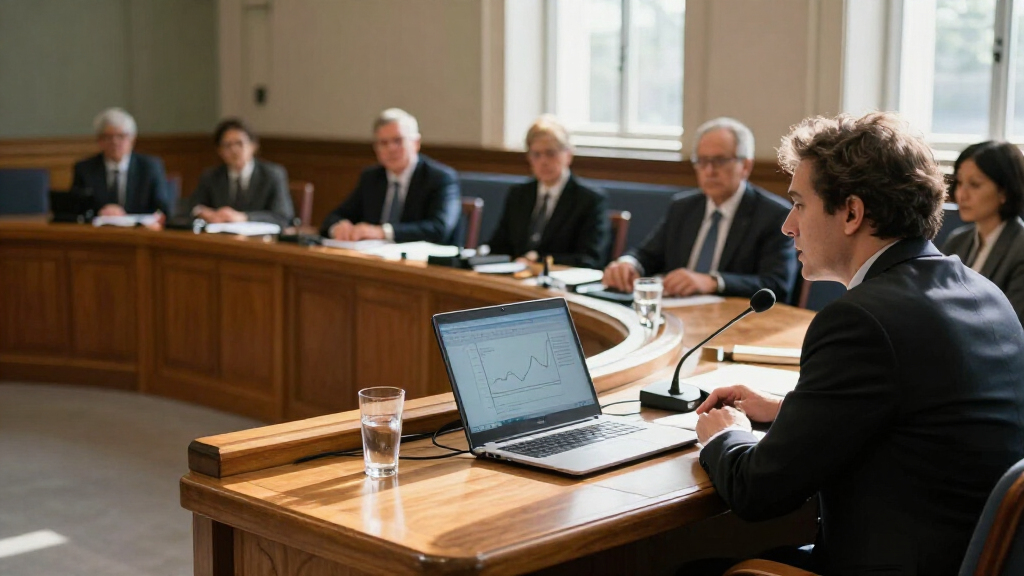
Reserve Bank of Australia Governor Michele Bullock told a Senate committee on 28 October that inflation is likely to be higher than the bank’s August forecast, as renewed Middle East conflict lifts energy prices and domestic capacity pressures persist. The RBA has raised its cash rate target by 25 basis points since the committee’s June hearing, bringing the total increase this year to 100 basis points.
Reserve Bank of Australia Governor Michele Bullock told a Senate committee on 28 October that inflation is likely to run higher than the bank’s August forecast, pointing to renewed global energy-cost pressures and persistent domestic capacity constraints. She also confirmed the Monetary Policy Board had raised the cash rate target by 25 basis points since the committee’s June hearing, taking this year’s cumulative increase to 100 basis points.
In her opening statement to the Senate Economics Legislation Committee’s supplementary budget estimates hearing, Bullock said the rate decision was intended to return inflation to target. The RBA’s objective is to bring inflation to the midpoint of its 2–3 per cent target range while also supporting full employment. The bank allows flexibility over the timetable, she said, but warned that inflation remaining above target for too long can feed into expectations and influence price- and wage-setting.
Bullock said inflation had fallen from a peak of 7.9 per cent at the end of 2022 and was within the target range for a period in 2024 and 2025, after monetary policy was tightened in 2022 and 2023. It picked up again in the second half of 2025 and, she said, had recently been around 3.5 to 4 per cent year on year. The RBA’s August forecasts had indicated a return to around the target midpoint only in late 2027.
Since that forecast, Bullock said, the Middle East conflict had re-escalated and global energy prices had risen well above the levels assumed in the bank’s projections. Higher oil prices can affect inflation directly and through transport and other business costs. She also cited pressures on agricultural and technology-related prices, including those associated with the AI boom and extreme weather. Domestically, she said, underlying inflation and weak productivity growth point to continued constraints on the economy’s capacity to meet demand.
Higher Inflation Risks Shape Rate Outlook
The statement matters because it signals that the RBA sees a more difficult inflation outlook than the one it presented in August. If energy and other costs continue rising, businesses may pass some of those expenses on to customers; persistent domestic price pressure could add to the challenge. Bullock did not announce a new rate decision in this opening statement, but her assessment gives lawmakers and the public a current account of the factors informing monetary policy.
For households and businesses, the rate increases already made affect borrowing costs, while inflation reduces the purchasing power of income if prices rise faster than earnings. Bullock said the effects of monetary policy take time to work through the economy, so the full impact of recent increases has not yet been felt. The balance between lowering inflation and supporting employment remains central to the RBA’s stated approach.
Products Worth Considering

FLEXISPOT Standing Desk with Monitor Riser & Cable Management

FLEXISPOT 42-Inch Electric Standing Desk Converter

Apple MacBook Pro (14.2-inch, 2025) – M5 chip, 16GB Unified Memory, 1TB SSD, Space Black
As an affiliate, we earn on qualifying purchases.
From Falling Inflation to Renewed Pressure
The RBA’s inflation target is a range of 2 to 3 per cent, with policy aimed at returning inflation to its midpoint. Inflation’s decline from its late-2022 peak followed substantial monetary tightening in 2022 and 2023. It later spent a period within the target range, before rising again from the second half of 2025, according to Bullock’s statement.
At the committee’s previous hearing in June, the RBA had not yet made the additional increase Bullock described. The latest 25-basis-point rise took the total increase in the cash rate target this year to 100 basis points. In August, the bank projected inflation would not return to around the midpoint until late 2027 and judged that risks to its outlook were tilted upward. Bullock said several of those risks had since materialised or were emerging.
She also described mixed signals in the economy: domestic demand growth is slowing, but household spending has moderated only gradually and business investment has picked up strongly, mainly because of data-centre spending. The statement provides the governor’s account to Parliament; it is not a new set of economic forecasts or a decision to change rates at the hearing.
“Inflation will therefore likely be higher than was our base case in August.”
— Michele Bullock, RBA governor, in her opening statement
How Long Cost Pressures Will Persist
The statement does not give a revised inflation forecast or specify how much higher inflation may be than the RBA’s August projections. The duration and scale of the energy-price shock are also uncertain, as are the indirect effects on business costs and consumer prices. Bullock said inflation was likely to remain elevated for some time, but did not give a new timetable for its return to the target midpoint.
It also remains unclear how quickly domestic demand will slow, how much recent rate increases will weigh on activity, and whether labour-market conditions will ease. Bullock said unemployment had risen a little more than expected but described the labour market as appearing somewhat tighter than the RBA had previously judged. Her comments reflect the bank’s current assessment; they do not confirm the eventual path of inflation, growth or interest rates.
Further RBA Guidance and Committee Questions
Bullock told senators that she and her colleagues were available to answer questions, and said she would also provide an update on the payments system and cash distribution. The hearing gives committee members an opportunity to question the RBA about the economic outlook and its responsibilities. The opening statement itself does not set a date for another rate decision or promise a particular policy response.
Further guidance will depend on incoming economic information and the RBA’s subsequent public statements and decisions. Readers should watch for updated inflation data, changes in energy prices and evidence on domestic demand, employment and business costs. The bank’s August forecast remains the most recent published forecast cited in this statement; Bullock’s warning is that developments since then point to greater upside inflation risk.
Key Questions
What did the RBA governor tell the Senate committee?
Governor Michele Bullock said inflation is likely to be higher than the RBA’s August base case, citing higher global energy prices and continued domestic capacity pressures.
How much has the cash rate target risen this year?
Bullock said a 25-basis-point rise since the June hearing brought the cumulative increase this year to 100 basis points. The statement does not give the cash rate’s numerical level.
What inflation target does the RBA use?
The RBA aims to return inflation to the midpoint of its 2–3 per cent target range, while balancing that objective with full employment.
Did Bullock announce another rate rise at the hearing?
No. The opening statement described the recent rate decision and the inflation outlook; it did not announce a new rate change.
When does the RBA expect inflation to return to target?
The latest published forecast cited by Bullock, from August, projected a return to around the target midpoint in late 2027. She said subsequent developments suggest inflation may be higher than that forecast’s base case, and did not provide a revised timetable.
Source: bis.org