
When working with PPAs for renewable projects, you need to be aware of regulatory and market risks that can threaten revenue. Policy changes, subsidy reductions, or new regulations can impact project profitability, while fluctuating energy prices and demand pose market risks. To effectively manage these threats, you should evaluate policy stability and incorporate financial modeling to simulate potential impacts. Continuing to explore these risks will help you better protect your investments and adapt your strategies accordingly.
Key Takeaways
- Regulatory risks include policy changes that may reduce or eliminate financial incentives like tariffs and subsidies.
- Market risks involve fluctuations in energy prices and demand, impacting revenue streams secured by PPMs.
- Financial modeling helps simulate adverse scenarios to evaluate project resilience against policy and market shifts.
- Contractual clauses and diversified revenue sources can mitigate risks associated with regulatory and market uncertainties.
- Continuous monitoring of policy developments is essential for adjusting financial strategies and maintaining project profitability.

Are purchase power agreements (PPMs) essential for financing renewable energy projects? Many investors and developers think so because PPMs serve as a cornerstone for securing funding. They provide a guaranteed revenue stream, which is crucial when you’re trying to attract financing for a project that involves significant upfront costs. When assessing a project’s viability, financial modeling becomes a vital tool. It helps you project cash flows, evaluate risks, and determine whether the income from the PPM can cover operational expenses and debt service. Without a solid financial model, understanding how policy incentives—such as tax credits, feed-in tariffs, or renewable energy certificates—impact profitability is nearly impossible. These incentives can significantly improve the financial outlook, making projects more attractive to lenders and investors.
However, relying on PPMs also exposes you to a range of regulatory and market risks. Regulatory risks stem from potential policy changes that could alter or eliminate incentives, impose new taxes, or introduce stricter environmental standards. For instance, if government subsidies are reduced or withdrawn, the projected revenue from your PPM might no longer be sufficient to meet your financial commitments. Market risks involve fluctuations in energy prices, demand variability, or shifts in the competitive landscape. If market conditions change unfavorably, the revenue guaranteed in your PPM could be compromised, impacting your ability to repay debt or generate expected returns. Additionally, integrating AI-powered analytics can help forecast and manage these risks more effectively by providing real-time insights.
Relying on PPMs involves regulatory and market risks that can threaten project profitability.
Understanding these risks demands thorough analysis. You need to evaluate the stability of policy incentives and the likelihood of regulatory shifts that could impact your project’s long-term profitability. This is where detailed financial modeling becomes indispensable; it allows you to simulate different scenarios, including adverse policy changes or market downturns, to see how resilient your project is. By doing so, you can identify potential vulnerabilities and incorporate risk mitigation strategies, such as contractual clauses or diversified revenue streams.
Moreover, it’s crucial to stay informed about the evolving policy landscape. Governments may introduce new regulations or modify existing ones to meet climate goals, which can either benefit or harm your project. Recognizing these trends early enables you to adapt your financial plans accordingly. In the end, while PPMs are a powerful tool to secure financing, their success heavily relies on understanding and managing the regulatory and market risks they entail. Combining robust financial modeling with awareness of policy incentives ensures you make informed decisions and set realistic expectations for your renewable energy investments.
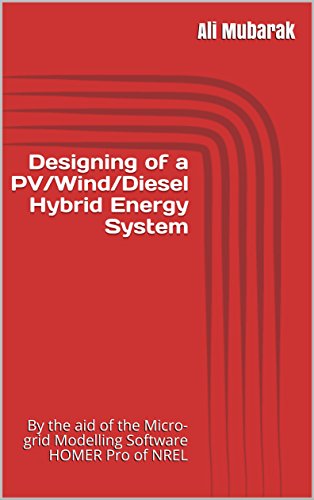
Designing of a PV/Wind/Diesel Hybrid Energy System: By the aid of the Micro-Grid Modelling Software HOMER Pro® of NREL
As an affiliate, we earn on qualifying purchases.
As an affiliate, we earn on qualifying purchases.
Frequently Asked Questions
How Do Regulatory Changes Impact PPM Investment Returns?
Regulatory changes can considerably impact your PPM investment returns by introducing policy shifts and subsidy volatility. When policies shift or subsidies decrease unexpectedly, your project’s revenue stream may decline, reducing profitability. These uncertainties make it harder to forecast future earnings accurately. You need to stay vigilant about policy updates and market trends to manage risks effectively. Proactively addressing regulatory risks helps protect your investment from sudden financial setbacks.
What Are the Key Market Risks for Renewable Energy PPMS?
You face key market risks like market volatility and price fluctuations that can impact your renewable energy PPM investments. Sudden changes in electricity prices or demand can reduce your expected returns. Additionally, unforeseen shifts in market conditions or policy incentives may cause revenue uncertainty. Staying informed about market trends and diversifying your investments can help mitigate these risks and protect your earnings from unpredictable price swings.
How Do PPMS Address Project Delays and Construction Risks?
PPMs address project delays and construction risks through detailed project management provisions. They specify timelines, milestones, and penalties for delays, ensuring accountability. By clearly defining responsibilities and contingency plans, PPMs help you manage construction delays effectively. This structured approach keeps the project on track, allowing you to mitigate risks proactively and maintain financial stability throughout the development process.
What Are the Typical Contractual Protections in PPM Agreements?
Protect your project with robust contractual safeguards that emphasize risk mitigation. Typical protections include fixed-price contracts, detailed scope definitions, and penalty provisions for delays. You also get warranties and performance guarantees to safeguard against unforeseen issues. These protections help you manage market and regulatory risks, ensuring project stability. By establishing clear responsibilities and remedies, you create a solid foundation that minimizes uncertainties while maximizing project success.
How Do Different Jurisdictions’ Policies Influence PPM Viability?
You’ll find that policy stability and subsidy variations greatly influence PPM viability across jurisdictions. Stable policies encourage investment and reduce market risks, making PPMs more attractive. Conversely, frequent subsidy changes or uncertain regulations can undermine project economics, deterring investors. When policies shift suddenly, it becomes harder to forecast revenue streams, increasing financial risks for renewable projects. Thus, understanding local policy environments is essential to evaluating PPM viability effectively.
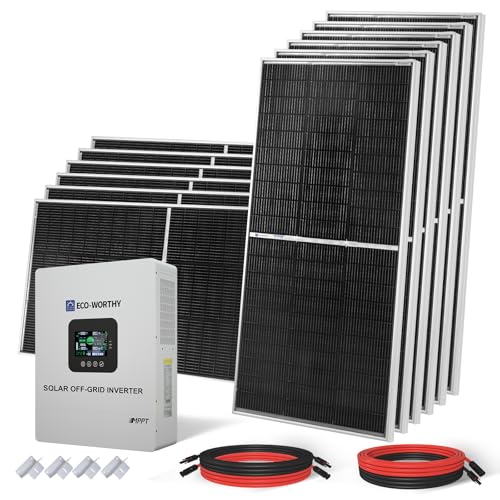
ECO-WORTHY 9.36KWH 2340W 48V Solar Power System Kit Off Grid Solar Panel Kit with 5000W 48V All-in-One Off-Grid Charge Inverter and 12pcs 195W Mono Solar Panel and Z Mounting Brackets.Plug and Play
[Ideally Output of 9.36KWH] The power of 9.36KWh per day under 4 hours full sunshine by the 2340W…
As an affiliate, we earn on qualifying purchases.
As an affiliate, we earn on qualifying purchases.
Conclusion
Charting PPMS for renewable energy projects can feel like steering through a storm, but understanding the regulatory and market risks makes all the difference. By staying informed and proactive, you can turn potential pitfalls into opportunities for growth. Remember, the landscape is constantly shifting—if you’re prepared, you’ll not only survive but thrive in this evolving industry. Embrace the challenges, and watch your renewable energy ambitions reach heights as high as the sky itself!

Energy Trading and Risk Management: A Practical Approach to Hedging, Trading and Portfolio Diversification (Wiley Finance)
As an affiliate, we earn on qualifying purchases.
As an affiliate, we earn on qualifying purchases.

Maizoon Folding Portable Calculator with 14-Digit Large Screen Display Solar Energy and Battery Dual Power Supply Check & Correct Function Suitable for Business and Office
【14-digit display】: Large screen and fonts make the calculator more accurate.
As an affiliate, we earn on qualifying purchases.
As an affiliate, we earn on qualifying purchases.