
Revenue quality refers to how reliable and stable your income is over time. It’s not just about how much money you make, but how consistent it is from month to month. If most of your revenue comes from loyal customers who keep buying, it’s a sign of good revenue quality. Steady income reduces risks and helps you plan better for the future. Keep exploring to learn more about how building strong revenue streams can benefit your business.

Get smart everyday buys delivered free with Prime
- Fast, free delivery on millions of items
- Prime Video, Amazon Music and more included
- Member-only deals all year
Key Takeaways
- Revenue quality shows how reliable and steady a company’s income is over time.
- It depends on ongoing customer relationships, not just one-time sales.
- Consistent revenue comes from loyal customers who keep buying regularly.
- Stable revenue reduces business risks and helps with better planning.
- High revenue quality reflects a healthy, resilient business that can grow sustainably.
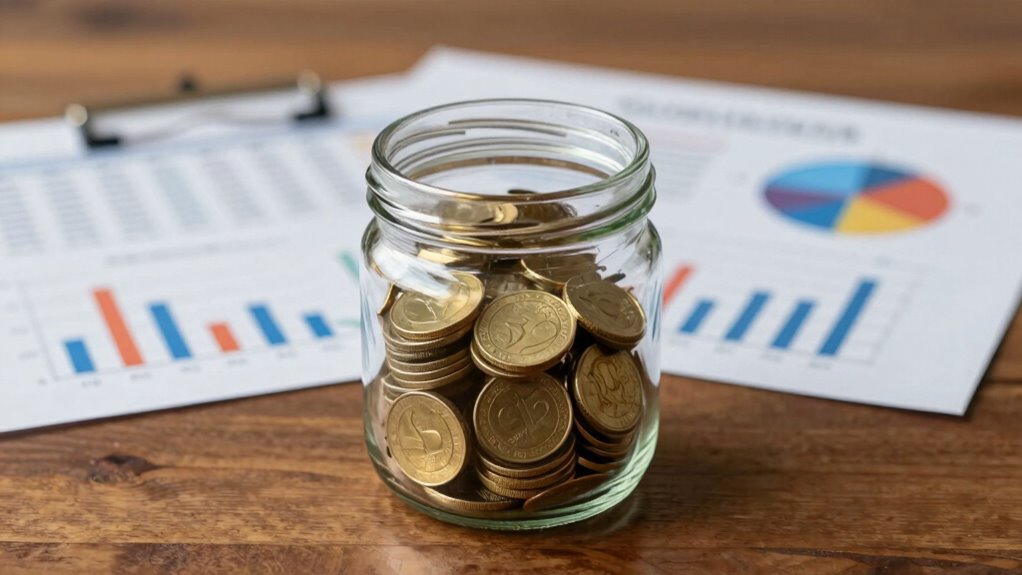
Have you ever wondered what truly makes a company’s revenue reliable and sustainable? The answer lies in understanding revenue quality, which isn’t just about how much money a business makes but also about how consistent and dependable that income is over time. When you focus on revenue consistency, you’re looking at how predictable and stable the income streams are. This stability often depends on customer retention—the ability of a company to keep its customers coming back. If your customers are loyal and satisfied, they’ll continue purchasing from you, leading to more reliable revenue. High customer retention means fewer surprises in your income, allowing you to plan better and invest confidently in growth.
To explain revenue quality clearly, think of it as the difference between earning a large amount of money once versus earning a steady income month after month. A company that relies on sporadic, one-time sales might report high revenue at times, but that doesn’t mean its income is sustainable. On the other hand, a business with a strong base of returning customers creates a steady cash flow, which is a hallmark of high revenue quality. You want to see evidence that your revenue isn’t just a fluke, but a result of ongoing customer relationships. This consistency reduces risk and makes your company more attractive to investors and stakeholders.
Steady, ongoing customer relationships create reliable revenue and reduce risk.
When you analyze revenue quality, you should look beyond the dollar figures and consider the sources of your income. Are most sales coming from new customers, or do existing customers continue to buy? The latter indicates good customer retention, which is key to revenue stability. If your revenue is primarily from new customers, it might be less reliable because acquiring new clients can be costly and uncertain. Conversely, a loyal customer base provides a predictable income, reducing the need for constant marketing pushes and expensive acquisition efforts. Additionally, understanding the revenue streams can help identify how much of your income is sustainable and predictable over time. Recognizing the importance of customer retention can help you develop strategies to foster long-term relationships, further enhancing revenue quality. It’s also important to monitor revenue fluctuations to ensure your income remains stable across different market conditions. This focus on sustainable revenue helps ensure your business remains resilient in challenging times.
In simple terms, explaining revenue quality involves emphasizing the importance of building long-term customer relationships that drive consistent sales. It’s about understanding that sustainable revenue doesn’t just happen; it’s cultivated through trust, satisfaction, and ongoing engagement. When your customers keep coming back, your revenue becomes more predictable and resilient against market fluctuations. Building a consistent revenue base also depends on understanding the revenue sources that contribute most reliably to your income. This focus on customer retention and revenue consistency helps paint a clear picture: high-quality revenue is dependable, stable, and a true reflection of your company’s health.
As an affiliate, we earn on qualifying purchases.
Frequently Asked Questions
How Does Revenue Quality Impact Overall Business Valuation?
Revenue quality directly influences your business valuation because high revenue consistency indicates stable, predictable income, boosting investor confidence. When your revenue demonstrates profit sustainability, it shows your business can maintain profitability over time. This reliability reduces risk, making your company more attractive to buyers or investors. Fundamentally, strong revenue quality signals long-term stability, increasing your overall business valuation by highlighting dependable earnings and a solid growth outlook.
What Are Common Signs of Poor Revenue Quality?
Poor revenue quality shows up with inconsistent revenue streams, making your income unpredictable. You’ll notice over-reliance on a few big customers, which increases risk if they leave. Sudden dips or spikes in revenue also signal issues, along with a lack of long-term contracts or recurring revenue. These signs point to weak revenue consistency and high customer concentration, risking your business’s stability and future growth.
How Often Should Revenue Quality Be Assessed?
You should assess revenue quality regularly—at least quarterly—to guarantee revenue consistency and sustainability. Frequent evaluations help you spot trends, identify potential issues early, and confirm that your revenue streams remain reliable over time. By consistently monitoring these aspects, you can make informed decisions, strengthen your financial health, and maintain confidence in your revenue’s long-term stability. Regular assessments are key to sustaining quality revenue.
Can Revenue Quality Vary Across Different Industries?
In the days of yore, revenue quality can indeed vary across industries. You’ll find that some sectors, like technology, often have high industry consistency and diverse customer bases, making revenue more stable. Meanwhile, others, such as utilities, may face customer concentration risks, impacting revenue reliability. Recognizing these differences helps you better assess and improve revenue quality, tailoring your strategies to each industry’s unique landscape.
What Role Does Cash Flow Play in Revenue Quality?
Cash flow plays a vital role in evaluating revenue quality because it shows how well your revenue turns into actual cash. By doing a cash flow analysis, you can identify if your revenue is consistent and sustainable. If revenue generates steady cash flow, it indicates high revenue quality. Conversely, irregular or delayed cash flow suggests lower quality, signaling potential issues in revenue sustainability that need attention for better financial health.
As an affiliate, we earn on qualifying purchases.
Conclusion
So, next time someone questions your revenue quality, remember it’s like judging a fruit’s ripeness—not just its size. You want to guarantee it’s sweet and fresh, not just big and shiny. By focusing on sustainable, reliable income streams, you build a healthier business that lasts. Don’t be tempted by quick, shiny wins that might rot quickly; instead, nurture your core, and your revenue will stay strong and tasty for years to come.
As an affiliate, we earn on qualifying purchases.
As an affiliate, we earn on qualifying purchases.
Halloween Picks
halloween
As an affiliate, we earn on qualifying purchases.