

SPACs and private equity often work together, offering quick routes to go public and new investment opportunities. But conflicts can arise from valuation disagreements, regulatory uncertainties, and different deal strategies. Some SPACs overvalue targets to attract investors, while private equity firms seek precise assessments. These differences may lead to disputes or missed chances. To better understand the balance between collaboration and conflict in this evolving landscape, you’ll find valuable insights ahead.
Key Takeaways
- Collaborations between SPACs and private equity firms can accelerate liquidity but may involve valuation conflicts and strategic disagreements.
- Valuation disparities during SPAC mergers often lead to negotiations challenges and potential conflicts with private equity partners.
- Regulatory uncertainties increase risks and complexity in SPAC-private equity deals, affecting transparency and deal structure.
- Private equity firms must perform rigorous valuation assessments to mitigate risks and ensure alignment with SPAC transaction goals.
- Balancing innovation with caution is essential to navigate the opportunities and conflicts inherent in SPAC and private equity collaborations.

Valuation disparities are another critical issue that shapes the dynamic between SPACs and private equity. When a SPAC announces a merger, the valuation of the target company often sparks debate. Because SPACs typically negotiate valuations in a less formal environment compared to traditional IPOs, discrepancies can occur. You might find that some SPACs overvalue companies to attract investors, leading to inflated expectations, while others undervalue targets, risking missed opportunities or strained negotiations. These disparities can create conflicts with private equity firms, who often prefer more rigorous valuation processes to safeguard their investments. You, therefore, need to develop robust methods to assess valuation metrics accurately, especially since the valuation process directly influences deal structures, investor confidence, and potential returns.
The interplay between regulatory challenges and valuation disparities influences how SPACs and private equity firms collaborate. While some see SPACs as a fast track to liquidity, others recognize the risks involved in less transparent valuations and regulatory uncertainties. For you, staying informed about these issues helps you make smarter decisions, whether you’re considering an investment or negotiating a merger. As the landscape continues to evolve, the key lies in balancing innovation with caution—acknowledging the opportunities SPACs present, but also understanding the risks they carry. Only then can you navigate this shifting terrain effectively, leveraging the benefits of SPACs without falling prey to its pitfalls.
SPAC valuation assessment tools
As an affiliate, we earn on qualifying purchases.
As an affiliate, we earn on qualifying purchases.
Frequently Asked Questions
How Do SPACS Impact Private Equity Fund Valuations?
SPACs influence private equity fund valuations by affecting valuation metrics and investor perception. When a SPAC merges with a target company, it can inflate valuation metrics, making private equity firms seem more attractive or risky. This shift impacts how investors perceive the worth of private equity funds, either increasing confidence or prompting caution. Consequently, these dynamics can alter investment strategies and the overall valuation landscape within private equity markets.
Are SPACS More Regulated Than Traditional Private Equity Deals?
You’ll find that SPACs are generally more regulated than traditional private equity deals because of increased regulatory scrutiny. They must adhere to stricter legal compliance standards from the SEC, including disclosures and reporting requirements. This heightened oversight aims to protect investors and ensure transparency. In contrast, private equity deals face less direct regulation, relying more on contractual agreements and industry standards. So, SPACs operate under a tighter regulatory framework overall.
What Are the Main Risks of Collaborating Between SPACS and Private Equity?
Like steering through a minefield, collaborating between SPACs and private equity carries significant risks. You face conflicts of interest that can cloud judgment and skew decision-making. Due diligence challenges make it hard to assess true value and uncover hidden liabilities. If you’re not careful, these pitfalls can derail deals, leading to financial loss or damaged reputations. Staying vigilant and transparent helps avoid the bombs that threaten your investment strategy.
How Do SPACS Influence Private Equity Exit Strategies?
You should know that SPACs influence private equity exit strategies by shaping investor perceptions and impacting tax implications. When a SPAC acquires a company, it often offers a quicker exit route, which can be attractive to investors. However, the tax implications may vary, affecting the overall profitability. This dynamic encourages private equity firms to adapt their exit plans to align with SPAC timelines and investor expectations.
Can Private Equity Firms Use SPACS to Bypass Regulatory Hurdles?
Imagine you’re a private equity firm aiming to speed up your exit; you might use a SPAC to bypass regulatory hurdles through regulatory arbitrage. For instance, by structuring a deal where the SPAC merges with your portfolio company, you can avoid lengthy traditional approval processes. This deal structure allows you to capitalize quickly, reducing regulatory delays and streamlining the path to liquidity.
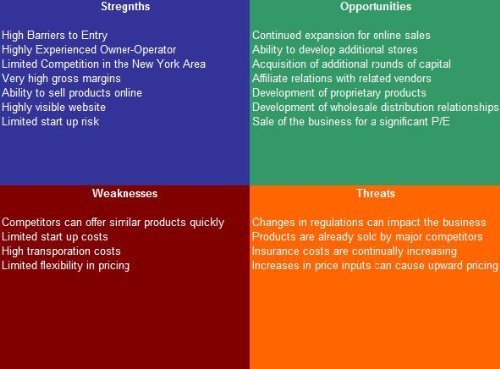
Private Equity Firm SWOT Analysis Plus Business Plan
Three different SWOT Analysis templates specific for a Private Equity Firm.
As an affiliate, we earn on qualifying purchases.
As an affiliate, we earn on qualifying purchases.
Conclusion
If SPACs and private equity teams up, the financial world might never be the same—think seismic shifts and unstoppable power moves. This dynamic duo could dominate markets, outsmart traditional investing, and rewrite the rules of wealth creation overnight. So, buckle up—you’re witnessing a game-changing revolution that’s about to turn the entire investment universe upside down. Stay alert, because what’s coming next could be more dramatic than anything you’ve ever seen!
regulatory compliance tools for SPACs
As an affiliate, we earn on qualifying purchases.
As an affiliate, we earn on qualifying purchases.

Sharp Calculators EL-243SB 8-Digit Pocket Calculator
Hinged, hard cover protects keys and display when stored
As an affiliate, we earn on qualifying purchases.
As an affiliate, we earn on qualifying purchases.