
🔍 Read the full analysis: AI, Memory And The Future Of PC And Phone Budgets on ThorstenMeyerAI.com

Get smart everyday buys delivered free with Prime
- Fast, free delivery on millions of items
- Prime Video, Amazon Music and more included
- Member-only deals all year
TL;DR
SK hynix says memory demand is likely to exceed supply through 2030, as AI data centers absorb capacity used to make chips for PCs and phones. Rising memory costs are already feeding into higher device prices and lower specifications, though forecasts of a prolonged shortage come from companies that benefit from tight supply.
SK hynix forecast on October 28 that memory demand will exceed supply through 2030, warning that higher prices and shortages are expected to reduce PC and mobile shipments. The outlook links the growth of AI data centers to costs faced by people buying phones, laptops and PC memory, although the duration and scale of any consumer price increases remain uncertain.
In its earnings release, the South Korean chipmaker said supply was not keeping pace with market growth. It attributed the gap to the difficulty of producing advanced memory and the long time needed to build new factories. The statement was the company’s forecast, not a guarantee that shortages or high prices will continue unchanged for four years.
On the earnings call, Chief Financial Officer Kim Woo-Hyun said cost pressures and supply constraints were expected to bring down PC and mobile-device shipment volumes. He added that growth in demand for AI infrastructure was expected to more than offset that decline for SK hynix. The release itself did not mention PCs or phones; those effects were discussed on the call.
The supply shift centers on high-bandwidth memory (HBM), a type of DRAM stacked for use alongside AI processors. HBM and ordinary memory for computers and phones rely on overlapping production resources. Market researcher TrendForce estimates that by the end of 2026 HBM will use about 22% of wafers started by the three largest memory makers while producing about 9% of their memory bits. Those figures are estimates, not a direct measure of consumer prices.
The source report cites TrendForce figures showing ordinary memory contract prices rose 93% to 98% in the first quarter of 2026, then increased in later quarters. It also reports that a 32-gigabyte DDR5-6000 kit cost at least $447 in the United States, compared with a recorded low of $72. These are specific market and product observations; the report’s estimate that prices were roughly four times late-2025 levels combines reported figures with forecasts.
Infographic 01 · Where the memory goes
AI data centers get first call on memory.
High-bandwidth memory (HBM) for AI chips and the memory in your phone come out of the same factories. HBM needs far more wafer per gigabit, and its buyers sign years ahead.
The bakery problem
HBM share of wafers vs. share of the memory bits they produce
Same factories, same wafers: every wafer used for AI memory is missing from phone and PC memory.
Who gets first call
Long contracts lock up supply years ahead
- SK hynix: deals with 14 major customers, usually five years, with deposits; more than 50% of 2027–2028 capacity
- Micron: more than 75% of fiscal 2027 shipments already committed
- HBM demand: customers want “more than double” what SK hynix can supply today
- Cloud budgets: memory ≈ 47% of big cloud providers’ capex in 2026, 68% in 2027 (TrendForce estimates)
Three makers, three horizons, one customer’s view
- SK hynixThrough 2030Demand above supply (company forecast)
- SamsungInto 2028Tight supply, based on market research
- MicronNo “line of sight”Tighter in 2027 and 2028 than in 2026
- Acer (customer)Easing from 2H 2027Says suppliers talk up the shortage
HBM is a wedding cake, phone memory is bread. Same ovens. The cake customers pay more and order years ahead.Thorsten Meyer · my analogy
Sources: TrendForce, 2 Jun (wafer and bit shares, estimates); TrendForce, 25 Aug (capex shares, estimates); SK hynix, 28 Oct 2026; SK hynix call, 28 Oct; Micron call, 30 Sep; The Register, 1 Oct; Samsung call, 29 Oct; Acer via Tom's Hardware / DigiTimes. Wafer-per-gigabit ratio: my arithmetic. All horizons are forecasts.
Powered by Thorsten Meyer AI
How AI Demand Reaches Device Buyers
Memory is a component cost in many computers and phones, so sustained tight supply can affect more than the price of standalone PC upgrades. Manufacturers may pass higher input costs to buyers, reduce memory or storage in lower-priced models, or adjust other specifications to keep devices within a target price range. The source report says makers have cut memory, storage and camera specifications in some mainstream products, and that some phone companies are reusing recycled memory chips.
The reported market outlook points to pressure on both price and choice, but it does not establish that every device will become more expensive or less capable. IDC is cited as forecasting an average smartphone price of $581 in 2026, up 27.6%; that is a forecast, not a final annual result. The report also cites shipment declines for the third quarter, but those figures do not by themselves show how much memory prices caused the declines.
For consumers, the practical effect may vary by model and timing. A device with more memory could cost more, while a manufacturer might hold a headline price steady by offering less storage or memory. The stakes extend to PC upgrades as well: a costly RAM kit can make an otherwise modest upgrade harder to justify.
Products Worth Considering
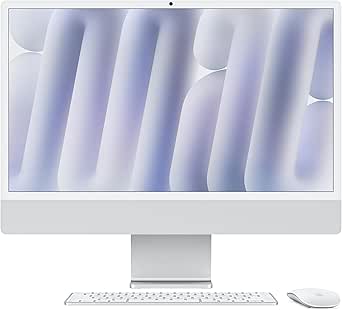
Apple iMac 2024 All-in-One Desktop with M4 Chip, 24‑inch Retina Display, 16GB Unified Memory, 256GB SSD, Silver

Dell XPS 13 9350 Laptop, 13.4 FHD+ Display, Intel Ultra 7 256V, 16GB DDR5, 1TB SSD

Dell XPS 13 9350 AI Professional Laptop 13.4 120Hz FHD+ Display
As an affiliate, we earn on qualifying purchases.
Why HBM Competes for Capacity
DRAM holds information a device is actively using, while NAND flash stores files and apps after power is off. HBM is a form of DRAM designed to move data quickly to AI processors. Its stacked construction takes more production resources per unit of memory than conventional products, according to the source’s account of TrendForce estimates.
That creates a trade-off for manufacturers with limited capacity: producing more HBM for AI systems can leave less capacity for standard DRAM and other memory products. It takes years to build new fabrication facilities, SK hynix said, limiting how quickly supply can respond to stronger demand.
Other companies have offered different timelines, according to the source material: Samsung expects tight supply into 2028, while Micron has said it has no “line of sight” to a supply-demand balance. Samsung also reported that its phone and network business lost money while its memory business recorded a record. These company statements describe their own outlooks and results, rather than a single agreed industry forecast.
“Supply is not keeping pace with the growth of the market.”
— SK hynix, in its October 28 earnings release
How Long the Shortage May Last
The 2030 timeline is SK hynix’s forecast, not a settled industry-wide outcome. Samsung’s expectation of tight supply into 2028 and Micron’s statement that it has no clear view of when supply will balance also reflect company assessments. Actual conditions could change as demand, production capacity and manufacturing yields shift.
There is also a conflict of interest in the forecasts: memory suppliers earn revenue from selling memory, and the source report says SK hynix posted record results and a high operating margin. Acer’s accusation that suppliers are overstating scarcity is a claim, not independently established evidence. The material does not establish how much of recent PC and phone shipment weakness is due to memory costs rather than other factors, or how much of each cost increase manufacturers will pass to customers.
Capacity Plans and Price Signals
Readers will get further indications from upcoming company results and guidance, as well as market data on memory contract prices, device shipments and retail prices. SK hynix said long-term agreements with 14 major customers, typically spanning five years, cover more than half of its production capacity for 2027 and 2028. The company also said those contracts include deposits, a sign that some future output is already committed.
The next test is whether new capacity and changes in production can narrow the gap between AI-related demand and supply for ordinary device memory. Until more evidence is available, the clearest distinction is between what is already reported—high memory prices and supplier forecasts of tight supply—and what remains a forecast: the length of the shortage and its eventual effect on every PC and phone buyer.
Key Questions
Why can AI data centers affect phone and PC memory?
AI processors use HBM, a type of DRAM produced using resources that overlap with those used for conventional memory. When manufacturers direct more capacity to HBM, less may be available for some PC and phone memory products.
Did SK hynix confirm that shortages will last through 2030?
No. SK hynix forecast that demand would exceed supply through 2030. That is the company’s outlook, not a confirmed outcome, and other suppliers have cited different timeframes.
Are all phones and computers expected to cost more?
The source material reports higher memory prices and an IDC forecast for the average smartphone price in 2026, but it does not establish that every device will rise in price. Manufacturers may instead change specifications or absorb some costs.
What remains uncertain about the forecast?
The duration and severity of tight supply, the pace of new production, and the share of memory costs passed on to buyers are still unclear. The extent to which memory prices explain reported shipment declines is also not established.
Source: ThorstenMeyerAI.com