📊 Full opportunity report: The Memory Squeeze: Why Your RAM Bill Doubled on ThorstenMeyerAI.com — validation score, market gap, and execution plan.

Get smart everyday buys delivered free with Prime
- Fast, free delivery on millions of items
- Prime Video, Amazon Music and more included
- Member-only deals all year
TL;DR
DRAM prices have doubled or more in 2026 due to a strategic shift by manufacturers toward AI memory. This has led to supply shortages and increased costs for PC builders and consumers. The trend is driven by higher-margin AI products replacing consumer RAM, with no quick fix in sight.
DRAM prices have surged up to 600% in 2026 as manufacturers shift production capacity toward high-margin AI memory modules, causing widespread shortages and significant cost increases for consumers and PC builders. This shift marks a departure from past memory cycles, with the current situation driven by strategic industry choices rather than supply disruptions alone.
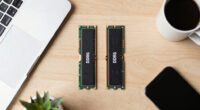
Since early June 2026, the cost of 32GB DDR5 RAM has soared from approximately $80–$120 in 2025 to over $370, with 64GB kits exceeding $600, according to data from Tom’s Hardware. Major PC manufacturers like HP, Dell, and Lenovo have reported that memory now constitutes up to 35% of their build costs, a substantial increase from previous levels.
The core cause is a deliberate reallocation of wafer manufacturing capacity by three dominant DRAM producers—Samsung, SK Hynix, and Micron—toward producing High Bandwidth Memory (HBM) for AI accelerators, rather than consumer-grade DRAM. HBM modules sell for three to five times more per unit than DDR5, incentivizing manufacturers to prioritize AI-related memory despite the inefficiency in wafer usage.
This shift has resulted in a significant reduction in the supply of consumer DRAM, with HBM now accounting for approximately 23% of wafer output, up from 19% last year. Industry experts note that this is not a temporary supply hiccup but a strategic decision to focus on higher-margin products, which is why prices are unlikely to fall quickly. New capacity expansions are years away, with major fabs not reaching full volume until 2027 or 2028, and existing capacity being managed to sustain high margins rather than increase supply.
Why your RAM bill doubled
“Doubled” is the polite version — consumer DRAM is running 3–6× its 2024 lows. The boom-bust cycle that always brought cheap RAM back isn’t coming this time, because the factories that make your RAM now make something far more profitable instead.
HBM
This is the quiet tax on the whole AI era. Relief isn’t forecast before 2028, and even then prices may settle 30–50% above pre-crisis levels. Buy what you genuinely need now; don’t panic-buy capacity you won’t use. You can’t out-wait the fab math — but, as this series will show, you can shrink what you need. Next: HBM Ate the Fab.
Why the Memory Crunch Affects Everyone in Tech
The surge in DRAM prices impacts a broad range of technology products, from personal computers to enterprise servers. Consumers face higher costs for upgrades and new builds, while manufacturers are experiencing squeezed profit margins. The shift toward AI memory modules also signals a fundamental change in the chip industry, emphasizing high-margin AI infrastructure over traditional consumer markets. This could lead to sustained shortages and elevated prices for years, reshaping supply chains and pricing dynamics across the tech sector.
As an affiliate, we earn on qualifying purchases.
Industry Shift Toward AI-Optimized Memory Production
Historically, memory shortages have been resolved through increased capacity, but 2026 marks a different pattern. The three main DRAM producers—Samsung, SK Hynix, and Micron—are intentionally reallocating wafer capacity to produce HBM for AI applications, which offers significantly higher profit margins. This strategic choice follows a pattern of record margins and a desire to capitalize on AI’s rapid growth, despite the resulting scarcity of consumer RAM. The industry’s capacity expansion plans are delayed until at least 2027, and existing capacity is being managed to maintain high profitability rather than alleviate shortages.
Past shortages often ended with a glut of supply, but current market behavior suggests a different scenario. Major buyers, including hyperscalers, are placing large, open-ended orders, and some manufacturers have locked in multi-year contracts, effectively removing consumer RAM from the market. This has led to a situation where supply growth is insufficient to meet demand, driving prices higher and creating a persistent shortage.
“Our focus is on enterprise AI markets, which provide higher margins. Consumer memory is no longer our primary focus.”
— Micron spokesperson
As an affiliate, we earn on qualifying purchases.
Unresolved Questions About Market Dynamics
It remains unclear whether the current high prices are solely due to strategic reallocation or if there are elements of collusion or market manipulation. Although no recent antitrust actions have been filed, the high market concentration and past collusion cases raise questions about the true nature of the scarcity. Additionally, the long-term effects of this shift on consumer availability and pricing are still uncertain, especially as new capacity is delayed until 2027 or later.
As an affiliate, we earn on qualifying purchases.
Expected Industry Developments and Market Trends
Manufacturers are expected to continue prioritizing AI memory production through at least 2027, with capacity expansions still years away. Consumers and PC builders should anticipate sustained high prices and limited availability for consumer RAM. Industry analysts suggest that the market may see some stabilization if new fabs come online, but the current trend indicates a prolonged period of scarcity. Buyers should prepare for ongoing price volatility and potential delays in hardware upgrades.
As an affiliate, we earn on qualifying purchases.
Key Questions
Will RAM prices ever return to previous lows?
It is uncertain when or if prices will return to pre-2026 levels, as the industry has shifted focus toward higher-margin AI memory products. Capacity expansion is delayed until at least 2027, suggesting prices may remain elevated for several years.
Why are manufacturers prioritizing AI memory over consumer RAM?
AI memory modules like HBM command significantly higher prices and profit margins, incentivizing manufacturers to reallocate wafer capacity despite the inefficiency and reduced supply of consumer-grade DRAM.
How is this shortage affecting PC builders and consumers?
Higher RAM prices and limited supply are increasing costs for PC upgrades and new builds. Some manufacturers are raising prices, delaying product launches, or reducing supply to consumers as supply is prioritized for enterprise and AI applications.
Are there any signs of the market correcting itself soon?
Current indications suggest that correction is unlikely before 2027, as capacity expansions are years away and manufacturers are managing supply to maximize margins rather than alleviate shortages.
Source: ThorstenMeyerAI.com
Halloween Picks
halloween
As an affiliate, we earn on qualifying purchases.