📊 Full opportunity report: How Compliance Software Helps Manage Origin Claim Evidence on IdeaNavigator AI — validation score, market gap, and execution plan.

Get smart everyday buys delivered free with Prime
- Fast, free delivery on millions of items
- Prime Video, Amazon Music and more included
- Member-only deals all year
TL;DR

IdeaNavigator AI has proposed a compliance-software workflow that would connect Made in USA claims to product, supplier and assembly evidence, then flag supplier changes for review. The proposal cites an FTC enforcement sweep in April 2026, but the supplied material does not provide documentation to verify that claim or describe an announced product launch.
IdeaNavigator AI has outlined a proposed compliance-software workflow to help consumer brands track the evidence behind Made in USA claims on product packaging. According to the concept description on the IdeaNavigator AI website, the workflow would link each product to supplier and assembly records and alert compliance staff when a supplier change could affect a claim. The material describes an opportunity and minimum viable product, not a launched service or verified enforcement action.
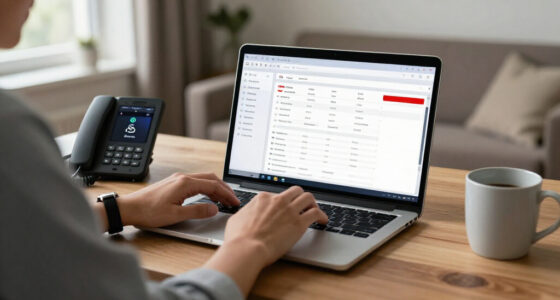
In its concept description, IdeaNavigator AI proposes a living substantiation file for each product or stock-keeping unit. The registry would connect a product’s bill of materials with supplier affidavits and the location where assembly takes place. A status indicator—green, yellow or red—would show the claim’s state for each product line, although the proposal does not define the criteria for those ratings.
The same description proposes monitoring supplier changes. Webhooks, or automated notifications triggered by changes in connected systems, would flag affected products and alert compliance staff before marketing materials are shipped. The stated aim is to make sourcing changes visible to the people responsible for reviewing an origin claim, rather than leaving evidence scattered across email and receipt files.
IdeaNavigator AI identifies the intended users as compliance or operations leads at consumer brands that print origin claims on packaging. The concept proposes an annual subscription priced by brand and SKU count, with an audit-response module sold separately. To test demand, it suggests offering a fixed-fee substantiation audit to 15 brands and tracking how many become subscribers. The description identifies no participating brands, pricing, customers or test results.
How Software Could Track Origin Claim Evidence
IdeaNavigator AI describes a proposed workflow linking product records to supplier and assembly evidence. The concept is not a confirmed product launch.
What the proposed system connects
A product record would bring key origin-claim evidence together.
Bill of materials
Connects each product to its listed inputs.
Affidavits
Stores supplier records alongside the product evidence.
Location records
Links the product to where assembly takes place.
How a change could prompt review
The proposal aims to make supplier changes visible before packaging ships.
Link product, supplier and assembly information.
Automated notifications would flag affected products.
Compliance teams assess whether the claim needs attention.
What is known—and still open
| Question | Supplied material |
|---|---|
| Product status | Proposed minimum viable product; no launch confirmed |
| Demand test | Audit offer to 15 brands proposed; no results reported |
| FTC sweep claim | April 2026 statement lacks a cited agency record |
| Evidence reliability | Verification and status-rating criteria are unspecified |
Why Supplier Records Matter
Origin claims can depend on a chain of product and supplier information that changes over time. If a supplier changes a factory or a product’s inputs, evidence collected when packaging was approved may no longer reflect current production. A central record and change alerts could help a company identify which claims need review before new packaging reaches distribution.
The practical value would depend on the accuracy and timeliness of the underlying records. Software can organize affidavits, bills of materials and assembly information, but the proposal does not establish that automated alerts can determine whether a particular claim complies with applicable standards. Staff would still need to assess evidence and decide what to say on packaging. For brands, the business question is whether continuous monitoring can reduce the time and disruption involved in assembling records when a claim is questioned.
Products Worth Considering

Apple iPad Pro 11-inch with M5 chip, 256GB, Wi-Fi 7, Space Black

Apple MacBook Neo 13-inch Laptop with A18 Pro Chip, 8GB Memory, 256GB SSD, Liquid Retina Display, Silver

Apple MacBook Air 15-inch Laptop with M5 Chip, 16GB Memory, 512GB SSD, Liquid Retina Display, and 12MP Center Stage Camera (Midnight)
As an affiliate, we earn on qualifying purchases.
The Proposed Evidence Workflow
IdeaNavigator AI’s concept frames the problem as a gap between marketing claims and supporting documentation. It describes brands losing track of the records behind a Made in USA statement, with proof dispersed among email threads and receipts. A supplier’s move to an overseas factory is offered as an example of a change that could affect a claim. These are scenarios in the proposal, not independently documented cases involving named companies.
The proposal says the Federal Trade Commission opened an enforcement sweep on origin claims in April 2026 and describes that as turning a paperwork obligation into active legal exposure. However, the supplied concept description does not cite an FTC announcement, identify cases or penalties, or link to an agency record. The enforcement statement therefore cannot be presented here as independently confirmed. The article is dated November 25, 2026, but no additional agency information is provided.
The concept is narrowly focused on origin-claim evidence management, rather than general-purpose compliance software. IdeaNavigator AI suggests first offering a paid audit to a small group of brands already using origin claims, followed by ongoing monitoring. That approach would test both whether companies will pay to organize existing documentation and whether they see enough value in keeping it current.
Enforcement and Product Status
No launched product or operating results are confirmed by the IdeaNavigator AI concept description. It does not identify a software provider, show a working registry, specify integrations, or report that any brand has used the proposed workflow. The 15-brand audit is a validation plan, not a completed study, and no conversion rate or subscription price is given.
The legal and operational details also remain open. The supplied description does not substantiate its statement about an April 2026 FTC sweep or provide information on any named penalties. It does not explain how the software would verify supplier affidavits, handle incomplete or conflicting records, determine a product’s status, or preserve an audit trail. Nor does it spell out how the proposed system would account for the specific requirements applicable to individual origin claims. Those questions would need answers before a compliance team could judge the tool’s reliability.
Testing Demand and Evidence Quality
IdeaNavigator AI’s concept description proposes a fixed-fee substantiation audit offered to 15 brands that currently make origin claims. The proposed test would measure how many customers move from the one-time audit to a recurring monitoring subscription. The description reports no schedule or results.
If the concept proceeds, its next milestones would include defining what evidence each product record must contain, how supplier changes are detected, and what triggers a human review. Brands considering such a system would also need to confirm the relevant regulatory requirements independently and assess whether their suppliers can provide current, product-specific records.
Source: IdeaNavigator AI concept description
Key Questions
What does the proposed software do?
According to IdeaNavigator AI’s concept description, it would link each product to its bill of materials, supplier affidavits and assembly location, then flag supplier changes that may affect an origin claim.
Is this a launched product?
The IdeaNavigator AI description presents a proposed minimum viable product and a plan to test demand. It provides no launch announcement, customer list or operating results.
Has the FTC opened the enforcement sweep described?
IdeaNavigator AI’s proposal says the FTC opened a sweep on origin claims in April 2026, but the supplied material does not cite an agency notice or cases. That statement remains unverified here.
How would the proposal test whether brands want the service?
IdeaNavigator AI suggests offering a fixed-fee substantiation audit to 15 brands that use origin claims and measuring conversion to an ongoing monitoring subscription. No test results are reported.
Source: IdeaNavigator AI