
📊 Full opportunity report: The New Age Of Leasing And Energy: Frontier Lab’s AI-First Approach on ThorstenMeyerAI.com — validation score, market gap, and execution plan.
TL;DR
Frontier Lab is shifting its focus from research to capacity and infrastructure, hiring experts in leasing, land, energy, and compute. This signals a strategic move to address the critical bottlenecks in scaling AI systems.
Frontier Lab has significantly expanded its capacity-focused team, emphasizing leasing, land, energy, and compute infrastructure, marking a strategic shift in AI development priorities. This move underscores the importance of infrastructure in scaling AI systems, with key hires in roles traditionally associated with utilities and energy providers, not research labs.
Over the past two months, Frontier Lab has made multiple strategic hires in roles such as Head of Leasing, Land and Energy, Director of Compute Infrastructure Procurement, and Head of Infrastructure. These positions reflect a focus on capacity — specifically, securing power, land, and networking infrastructure necessary for large-scale AI models.
Notably, the organization’s staffing pattern reveals an emphasis on capacity rather than pure research, with six of twelve recent hires directly involved in infrastructure, capacity, and procurement functions. This indicates a recognition that the bottleneck in AI scaling is no longer solely ideas but the ability to turn contracted megawatts into productive research cycles.
Key hires include Andrej Karpathy, from Eureka Labs, who will lead pretraining research using Claude; Jelani Nelson, a Berkeley professor, joining as a technical staff member; and Tom Blomfield, co-founder of Monzo, joining the compute team. These hires span capacity, research, and infrastructure, emphasizing the integrated approach Frontier is adopting.
Additionally, roles in distribution, such as Teresa Carlson, a veteran from AWS and Microsoft, and Irina Ghose, formerly Microsoft India managing director, highlight efforts to expand global reach and public sector engagement. The appointment of Rahul Patil as CTO further consolidates leadership overseeing product, compute, and infrastructure, underscoring the strategic importance of capacity in AI development.
A frontier lab hired a Head of Leasing, Land and Energy. That’s the story.
The Nobel laureate got the headlines. The land guy is the tell. Twelve-plus senior hires in a rolling year, and the densest cluster isn’t research — it’s capacity. Org charts are strategy documents. This one says the bottleneck is no longer ideas.
Rented from three parties who are, in different configurations, rivals. Alphabet profits from a lab that just recruited its Nobel laureate while competing with Claude. Anthropic rents at a Musk-affiliated facility while employing an xAI founding member. Not hypocrisy — it’s the trade every lab makes, and the Trainium/TPU/Nvidia diversity is explicitly a resilience strategy, which tells you they know. But state it plainly: Anthropic is staffing hardest against the one input it doesn’t own.
Six weeks before Blomfield’s announcement, the flywheel stopped. On 12 June a Commerce Department directive restricted Fable 5 and Mythos 5 to US nationals; both were pulled worldwide for 18 days, restored 1 July. Not a capacity failure — a directive. You can secure 10 GW across three silicon architectures and still be switched off in an afternoon. Capacity isn’t only physical. It’s political — and there’s no Head of Leasing, Land and Energy for that. Which is why Anthropic appointed its first Global Head of Public Sector weeks later: institutional permission is now a production input.
The lesson isn’t “Anthropic hired well” — every lab is hiring hard; that’s a talent market, not a strategy. It’s what the org chart confesses: at the frontier, ideas are no longer the bottleneck — capacity activation is. And “distribution pays for the compute” is too neat: customer demand monetizes capacity; the $65B raise and the hyperscalers finance it — the same suppliers renting it to you. Now invert it. If the best-resourced labs on earth can’t own their capacity — rented, concentrated in three rivals, gateable in an afternoon — then the better they get at this flywheel, the more dependent everyone downstream becomes on someone else’s flywheel. The case for owning your own stack doesn’t weaken as the frontier improves. It strengthens. The org chart is an argument for portability — written by the people it’s an argument against.
Why Infrastructure Focus Is Critical for AI Scaling
This shift indicates that the primary challenge in advancing AI is now capacity and infrastructure, not just research breakthroughs. By investing in leasing, land, energy, and compute infrastructure, Frontier aims to remove bottlenecks that slow down experimentation and deployment at scale. This approach reflects a broader industry recognition that turning contracted megawatts into productive research cycles is the new frontier in AI development, with potential implications for how AI labs and tech giants plan their growth strategies.

The Data Center Engineering Handbook: A Practical Guide to Infrastructure Design, Power Systems, Cooling, Security, Compliance, and Operational Excellence
As an affiliate, we earn on qualifying purchases.
As an affiliate, we earn on qualifying purchases.
Recent Industry Shift Toward Infrastructure and Capacity Expansion
Historically, AI research organizations prioritized talent and algorithms. However, recent developments, including the rise of large language models and the increasing scale of compute requirements, have shifted focus toward securing physical capacity. Major players like OpenAI, Google DeepMind, and Microsoft have made significant investments in chips, cloud infrastructure, and energy supply. Frontier Lab’s approach, as revealed through recent hires and organizational structure, exemplifies this industry trend, emphasizing capacity as the new bottleneck.
The timing aligns with broader industry movements, including the potential IPO of Anthropic and the increasing complexity of deploying large AI models at scale. The emphasis on infrastructure also reflects a strategic response to recent supply chain disruptions and energy challenges faced by AI labs worldwide.
“Hiring in roles like leasing and infrastructure signals a fundamental change in how AI labs are planning their growth—it’s about turning contracts into operational capacity.”
— Industry expert
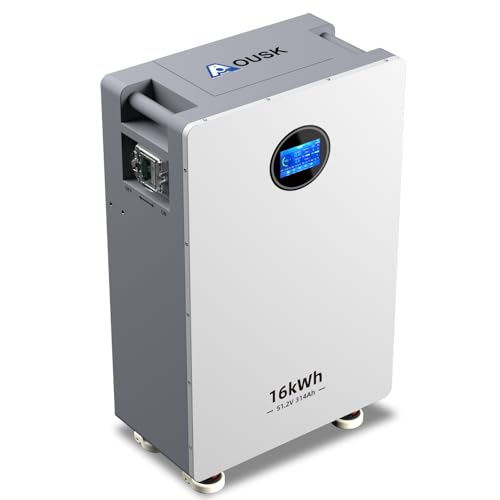
AOUSK 48V 314Ah Lifepo4 16.07kWh Lithium Battery, Build in 200A BMS High Capacity Energy Storage with Breakers, LCD Touchscreen, RS485/CAN/RS232, Ideal for Home Backup, Off-Grid, Solar System
Advanced Safety & Long-Lasting Reliability: Engineered for total peace of mind, this 48V 314Ah LiFePO4 battery features a…
As an affiliate, we earn on qualifying purchases.
As an affiliate, we earn on qualifying purchases.
What Specific Impact Will Infrastructure Investments Have?
While the focus on capacity and infrastructure is clear, it is still uncertain how quickly these investments will translate into operational AI systems at scale. The timeline for deploying new land, energy, and networking infrastructure, and its direct impact on research cycles, remains to be seen. Additionally, the extent to which these capacity investments will influence AI innovation or competitive positioning is still developing.
industrial land leasing for data centers
As an affiliate, we earn on qualifying purchases.
As an affiliate, we earn on qualifying purchases.
Next Steps in Frontier Lab’s Infrastructure Expansion
Expect further announcements related to infrastructure deployment, including contracts and partnerships with utility providers, land acquisitions, and energy sourcing. Monitoring the progress of key hires and their projects will provide insight into how effectively Frontier is translating capacity investments into research productivity. Additionally, potential updates on the company’s IPO plans and how infrastructure plays into their scaling strategy are anticipated in the coming months.
compute infrastructure procurement tools
As an affiliate, we earn on qualifying purchases.
As an affiliate, we earn on qualifying purchases.
Key Questions
Why is infrastructure more important now than research for AI development?
As AI models grow larger and more complex, the bottleneck shifts from developing new algorithms to securing the physical capacity—power, land, networking—needed to run and scale these models efficiently. Infrastructure ensures that research can be translated into real-world applications without delays.
What roles are Frontier Lab hiring for in infrastructure?
Frontier is hiring roles such as Head of Leasing, Land and Energy, Director of Compute Infrastructure Procurement, and Head of Infrastructure, focusing on capacity and deployment rather than pure research positions.
How might these infrastructure investments affect AI innovation?
By improving capacity, Frontier aims to accelerate research cycles, reduce deployment delays, and scale AI systems more rapidly, potentially giving it a competitive edge in the industry.
Is Frontier Lab planning an IPO?
Yes, Frontier has filed a draft S-1 and could list as early as this autumn, with infrastructure and capacity investments likely playing a strategic role in their growth and valuation.
Source: ThorstenMeyerAI.com