

📊 Full opportunity report: Memory Stopped Being A Commodity on ThorstenMeyerAI.com — validation score, market gap, and execution plan.
TL;DR
Micron has announced long-term, take-or-pay contracts covering approximately 20% of its memory output, with $100 billion in guaranteed revenue and $22 billion in customer deposits. This marks a fundamental change in how memory is bought and sold, moving away from spot-market trading toward contracted, prepaid demand.
Micron has introduced a series of long-term, take-or-pay contracts that lock in a significant portion of its memory output through 2030, with $100 billion in guaranteed revenue. This shift indicates that memory is no longer treated as a volatile commodity but as a strategic, prepaid input, changing the traditional supply-demand dynamics and offering a new model for the industry.
In its record June quarter, Micron disclosed 16 long-term ‘Strategic Customer Agreements’ covering about 20% of its DRAM and roughly a third of its NAND production over the period from 2026 to 2030. These contracts are primarily five-year commitments, with customers agreeing to buy set volumes or pay a penalty, and include a pricing structure that caps prices near current levels while guaranteeing Micron gross margins above previous peaks.
Most notably, Micron expects to collect around $22 billion in customer deposits and financial commitments, including cash deposits and letters of credit, which are held on its balance sheet for the duration of the contracts. This effectively means customers are pre-funding capacity, a stark departure from previous industry norms where manufacturers bore the risk of capacity investment and buyers purchased on the spot market.
Micron’s CEO highlighted that these agreements are a strategic move to stabilize demand and revenue streams, with the company projecting $50 billion in revenue and an 86% margin for the next quarter. The company also emphasized that these contracts are designed to hedge against demand fluctuations, especially in the context of AI-driven demand cycles, and are not yet covering more than a fraction of total production.
Memory stopped being a commodity
Micron just locked up a fifth of its DRAM and a third of its NAND through 2030 with binding take-or-pay contracts — and collected $22 billion in deposits from the customers, up front. The boom-bust cycle that always brought cheap RAM back is being contracted away.
A dream deal for Micron — near-peak prices, margin floors above any past peak, customer-funded fabs. Insurance for the buyers who signed — real protection against a real shortage, bought dear. And for everyone else, a forecast: don’t expect cheap memory back soon. The structure is also a large, leveraged bet on AI demand holding to 2030 — and floors get tested in a genuine downturn. The contracts run to 2030; the test arrives sooner.
Implications of Memory Contracts for Industry Stability
This development signifies a major shift in the memory industry, traditionally characterized by cyclical booms and busts. By securing long-term demand and pre-funding capacity, Micron aims to reduce volatility and create a more predictable revenue model. For buyers, especially hyperscalers and AI infrastructure providers, this offers supply security and price stability, but also commitments that may become costly if demand wanes. The move could influence other memory manufacturers to adopt similar strategies, reshaping the industry landscape and pricing dynamics.

PUSKILL DDR4 3200MHz CL16 Desktop RAM Kit, 32GB (2x16GB)
- High-Speed 3200MHz Performance: Fast frequency with low latency for smooth gaming
- Large 32GB Capacity: Ideal for gaming, streaming, and heavy multitasking
- Wide Compatibility: Supports Intel XMP 2.0 and AMD Ryzen platforms
As an affiliate, we earn on qualifying purchases.
As an affiliate, we earn on qualifying purchases.
Historical Industry Norms and Recent Changes
For decades, memory chips were traded on spot markets, with prices fluctuating based on supply and demand. Shortages and surpluses led to cyclical price swings, with manufacturers waiting for periods of high prices to recoup investments. Micron’s announcement marks a departure from this pattern, with the company securing a significant portion of its future revenue through long-term contracts, backed by customer deposits. This change reflects broader industry pressures, including the rising importance of AI and data centers, which are driving sustained demand for memory chips.
Previously, large buyers like Apple and other hyperscalers negotiated spot prices, often benefiting from market downturns. Micron’s new contracts shift power toward suppliers, who now secure demand upfront, reducing the industry’s exposure to cyclical downturns. The contracts also include price floors and ceilings designed to protect both parties, with a notable emphasis on pre-funding capacity investments.
“These long-term agreements are a strategic step to stabilize our revenue streams and support the industry’s growth amid rising demand from AI and data infrastructure.”
— Micron CEO Sanjay Mehrotra

SSK Portable SSD 1TB External Solid State Hard Drive USB C Up to 1050MB/s
- Capacity Display: Shows 1TB capacity, actual 931GB on Windows
- Fast Data Transfer: Read speeds up to 1050MB/s, write up to 1000MB/s
- Activity Indicator: LED light shows real-time activity
As an affiliate, we earn on qualifying purchases.
As an affiliate, we earn on qualifying purchases.
Unanswered Questions About Market Impact
It remains unclear how widespread this contractual model will become across the entire memory industry, as Micron’s agreements currently cover only about 20% of its output. The long-term effects on market prices, competition, and the traditional supply-demand cycle are still uncertain. Additionally, how buyers will respond if demand decreases or if technological shifts render current capacity less relevant is yet to be seen. The full impact on pricing volatility and industry dynamics will unfold over the coming years.
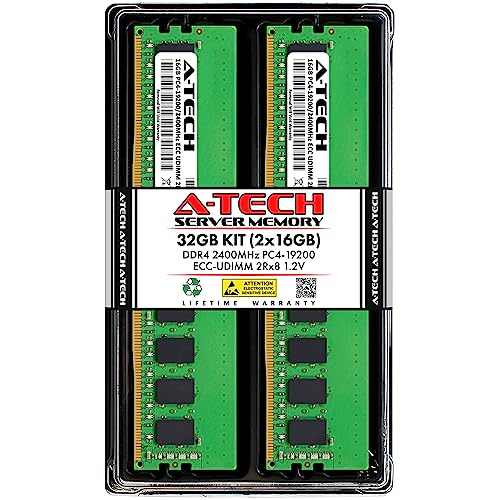
A-Tech Server 32GB Kit (2x16GB) DDR4 2400MHz PC4-19200 ECC UDIMM 2Rx8 Dual Rank 1.2V ECC Unbuffered DIMM 288-Pin Server & Workstation RAM Memory Upgrade Modules (A-Tech Enterprise Series)
- Compatibility: For select DDR4 server/workstation systems only
- Capacity: 32GB kit (2x16GB modules)
- Type: DDR4 ECC unbuffered UDIMM
As an affiliate, we earn on qualifying purchases.
As an affiliate, we earn on qualifying purchases.
Future Developments and Industry Adoption
Micron plans to expand these long-term agreements to cover more of its production, aiming for over half of its revenue under similar terms. Other memory manufacturers may follow, potentially leading to a more stabilized but less flexible market. Monitoring how customers and competitors respond will be critical, especially if demand for AI and data infrastructure evolves unexpectedly. Regulatory and market forces could also influence the adoption of this contractual approach.

Onlyeasy Sturdy Under Bed Shoe Storage Organizer, Set of 2, Fit 12 to 24 Pairs, Underbed Shoes Closet Storage Solution with Clear Window, Breathable, L29.3 x W23.6 x H5.9, Linen-like Black, MXAUBSB2P
- Large Storage Capacity: Holds up to 24 pairs of shoes
- Foldable Design: Space-saving when not in use
- Spacious Dimensions: 29.3 x 23.6 x 5.9 inches
As an affiliate, we earn on qualifying purchases.
As an affiliate, we earn on qualifying purchases.
Key Questions
What does Micron’s new contract model mean for memory prices?
It could lead to more stable prices due to long-term demand commitments, but may also reduce market volatility and limit price drops during downturns.
Will other memory companies adopt similar long-term contracts?
It’s possible, especially if Micron’s strategy proves successful, but adoption will depend on industry conditions and competitive dynamics.
How do customer deposits affect Micron’s financial stability?
The deposits provide upfront capital and reduce financing costs, but also tie up cash that could be used elsewhere, creating new financial considerations.
Could this shift impact innovation in memory technology?
Potentially, if pre-funding reduces the need for rapid capacity expansion, it might slow the pace of technological upgrades or alter investment priorities.
Source: ThorstenMeyerAI.com