

As your team grows, expanding your NAS storage seems simple, but it quickly becomes unsustainable. Relying solely on adding drives or upgrades leads to mounting costs, complexity, and risks like data silos or lost data. This trap hampers your ability to manage data efficiently and securely. To stay ahead, you need a smarter strategy that combines cloud backup, redundancy, and flexible solutions. Want to discover how to avoid this pitfall altogether? Keep going.
Key Takeaways
- Expanding NAS storage without a comprehensive strategy leads to escalating costs, complexity, and risk of data silos.
- Solely increasing physical storage ignores redundancy and disaster recovery needs, risking data loss.
- Relying only on NAS capacity growth hampers scalability and can cause operational bottlenecks.
- Integrating cloud backups provides scalable, off-site protection, alleviating pressure on local storage.
- A holistic data management approach, including redundancy and cloud solutions, prevents the NAS capacity trap.

Many organizations find themselves caught in the NAS capacity trap, where expanding storage seems straightforward but quickly becomes unsustainable. As your team grows, so does the volume of data you need to store and protect. Initially, adding more drives or upgrading your existing NAS might seem like the simple solution. But before long, the costs, complexity, and management challenges escalate, making this approach less feasible. The trap lies in believing that expanding physical storage alone will keep your data safe and accessible, but it often leads to bottlenecks and increased risk.
You might think that simply increasing your NAS capacity is enough, but without an all-encompassing strategy, you risk data silos and inefficiencies. That’s where cloud backup comes into play. Integrating cloud solutions can considerably ease the pressure on your local storage and provide a scalable, cost-effective backup option. Cloud backup ensures your data is protected off-site, reducing the risk of data loss from hardware failures, theft, or disasters. It also grants you flexibility—adding or removing storage as needed without the physical limitations of a traditional NAS setup.
However, storage expansion isn’t just about capacity. Data redundancy is essential to maintaining data integrity and availability. Relying solely on your NAS could leave you vulnerable if a single point of failure occurs. Implementing data redundancy strategies, like RAID configurations or hybrid cloud backups, helps guarantee your data remains accessible even if one component fails. This redundancy becomes even more important as your data grows, preventing costly downtime and protecting your organization’s assets. Additionally, considering scalable storage solutions can help future-proof your infrastructure and adapt to evolving needs.
The trap deepens when you overlook the administrative burden that comes with managing expanding NAS systems. As storage needs grow, so do the complexities of data management, backups, and security. Manual processes become cumbersome, increasing the chance of human error. By leveraging cloud backup services, you reduce this burden, automate backups, and streamline data management. This shift not only saves time but also enhances your overall data resilience. Incorporating automated management tools can further optimize your infrastructure and reduce operational overhead. Moreover, understanding the importance of effective data governance can help maintain compliance and security as your data landscape expands.
In essence, the key to avoiding the NAS capacity trap is to view storage as part of a broader data protection and management strategy. Moving beyond just expanding physical storage and investing in cloud backup and data redundancy allows your organization to scale more efficiently, reduce risks, and ensure data availability. Recognizing these needs early on keeps your team agile and protects your critical data as your organization continues to grow. Incorporating cloud server solutions into your strategy can further optimize your data infrastructure and security measures.
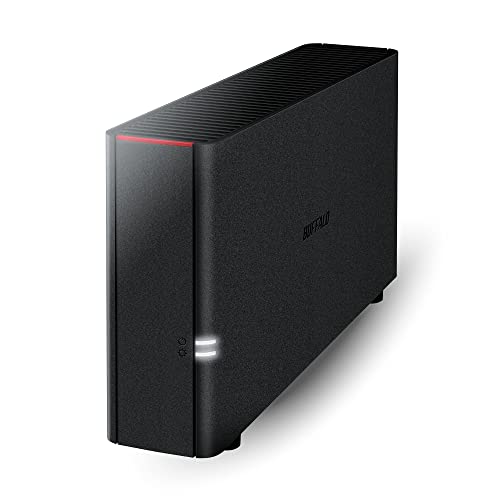
BUFFALO LinkStation 210 4TB 1-Bay NAS Network Attached Storage with HDD Hard Drives Included NAS Storage that Works as Home Cloud or Network Storage Device for Home
- Centralized Storage with RAID: Provides backup for all devices
- Easy Network Connection: Connects to router for shared storage
- Compatible with Windows and macOS: Supports multiple operating systems
As an affiliate, we earn on qualifying purchases.
As an affiliate, we earn on qualifying purchases.
Frequently Asked Questions
How Can I Predict Future NAS Capacity Needs Accurately?
To predict future NAS capacity needs accurately, you should analyze your current data growth trends and implement storage optimization strategies. Regularly review your data management practices to identify and eliminate redundant or obsolete files. Use forecasting tools and historical usage data to project future requirements, ensuring you allocate sufficient storage ahead of time. Staying proactive helps prevent capacity shortages and keeps your team running smoothly as your data volume grows.
What Are the Signs My NAS Is Nearing Capacity Limits?
You might notice your NAS nearing capacity when data compression slows down, indicating storage is filling up faster than expected. Cloud integration alerts can also signal limits are close, especially if backup or sync speeds decrease. Keep an eye on storage alerts and monitor usage trends regularly. Trust that proactive management prevents surprises, and integrating cloud solutions can help extend capacity and ease the pressure on your NAS.
Are There Cost-Effective Ways to Expand NAS Storage?
Yes, you can expand NAS storage cost-effectively by exploring cloud integration options, which allow you to offload data without extensive hardware upgrades. Additionally, implementing data deduplication reduces storage needs by eliminating redundant data, saving costs. Combining these strategies lets you scale your storage efficiently, avoid capacity traps, and optimize your budget while maintaining access to your growing data needs.
How Does Team Growth Impact NAS Performance?
As your team grows, NAS performance can suffer due to increased data redundancy and performance bottlenecks. More users accessing files simultaneously strain the system, slowing data transfer speeds and causing delays. Without upgrading your storage infrastructure or optimizing data management, you risk hitting capacity limits and experiencing degraded performance. Regularly monitoring usage and planning scalable solutions help maintain smooth NAS operations as your team expands.
What Backup Strategies Complement Expanding NAS Capacity?
Like a skilled chess player, you must think several moves ahead. Implement backup strategies that leverage data deduplication to reduce storage load and optimize space. Integrate cloud solutions for off-site redundancy, ensuring your data is protected even if local NAS reaches capacity. These strategies act as safety nets, keeping your expanding team’s data secure and your NAS performance smooth, preventing the trap from catching you off guard.
BUFFALO LinkStation 210 2TB 1-Bay NAS Network Attached Storage with HDD Hard Drives Included NAS Storage that Works as Home Cloud or Network Storage Device for Home
- Centralized Storage with RAID: RAID-enabled NAS for backup and storage
- Easy Network Connectivity: Connect to router for shared device access
- Compatible with Windows and macOS: Supports Windows and older macOS versions
As an affiliate, we earn on qualifying purchases.
As an affiliate, we earn on qualifying purchases.
Conclusion
As your team’s data garden flourishes, beware the silent weeds of the NAS capacity trap. Left unchecked, these overgrown vines can choke your growth, turning a thriving landscape into a tangled maze. But with vigilant pruning and strategic planning, you hold the shears to clear the path forward. Remember, your NAS is the fertile soil—tend it well, and your team’s future blooms brightly, free from the shadows of hidden constraints.

BUFFALO TeraStation 5420DN 4-Bay Business Desktop NAS 80TB (4x20TB) with Hard Drives Included RAID iSCSI Network Storage File Server
- Professional NAS for Business: Includes hard drives for data storage
- Robust Hardware and Firmware: Ensures stability and security under heavy loads
- Enhanced Data Security: Features 256-bit encryption and two-factor authentication
As an affiliate, we earn on qualifying purchases.
As an affiliate, we earn on qualifying purchases.

Asustor Drivestor 2 Gen 2 AS1202T 2-Bay NAS Storage, Quad-Core 1.7GHz CPU, 2.5GbE High-Speed Network, 1GB DDR4, 4K Media Server, Best Entry-Level Personal Cloud, Network Attached Storage (Diskless)
- Processor: Quad-Core 1.7GHz CPU for performance
- Network Speed: 2.5GbE high-speed network
- Memory: 1GB DDR4 RAM for stability
As an affiliate, we earn on qualifying purchases.
As an affiliate, we earn on qualifying purchases.