
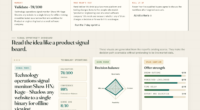
A raise can feel more competitive when you frame it around industry benchmarks, showing that your increase exceeds typical standards. Highlighting your contributions and the company’s strong performance can boost its perceived value. Maintaining a positive outlook and viewing the raise as part of your growth helps you see it as meaningful. If you explore further, you’ll discover how to make your compensation feel even more aligned with your worth.
Key Takeaways
- Framing the raise within a broader career growth narrative enhances its perceived competitiveness.
- Highlighting company performance and market data can make the raise seem more aligned with industry standards.
- Emphasizing personal contributions and achievements elevates the perceived value of the increase.
- Approaching negotiations confidently and strategically influences perception of the raise’s worth.
- Viewing the raise in the context of organizational growth or industry benchmarks boosts its attractiveness.

Have you ever received a raise that seemed more impressive than it actually was? It’s a common feeling, especially when the increase aligns with your expectations or feels like a step forward. But sometimes, what feels like a significant boost isn’t as substantial as it appears. Several factors contribute to this illusion, and understanding them can help you evaluate your compensation objectively. One key element is how your raise compares to salary benchmarks, which are industry standards or averages for your role and experience level. If your increase surpasses typical figures, it might feel extraordinary, even if the actual dollar amount is modest in the grand scheme. Conversely, if your raise is below industry benchmarks, it might seem disappointing, even if it’s a sizable percentage-wise.
A raise may feel impressive, but comparing it to industry benchmarks reveals its true significance.
Negotiation tactics also play a vital role in shaping your perception. If you approach your raise with a strategic mindset—highlighting your contributions, market data, and company performance—you’re more likely to secure a favorable outcome. This, in turn, can make the increase feel more justified and significant. When you negotiate confidently, you tend to focus on the value you bring rather than just the dollar amount, which can distort your perception of its true competitiveness. Additionally, framing your raise as part of a broader career trajectory can make it seem more impactful. For example, if your salary now aligns with or exceeds the benchmarks for your role, you might perceive the increase as a win, even if the actual number isn’t dramatically higher than before.
Another factor is the context in which you receive the raise. If your company is thriving, and your department is expanding, it’s natural to see your compensation as more competitive. Conversely, if everyone around you is receiving similar increases, your own might seem less impressive in comparison, regardless of the actual figure. Finally, your mindset influences perception. If you’re optimistic and focused on growth, you might interpret your raise as a sign of recognition and progress. On the other hand, if you’re fixated on what you hoped for or feel underpaid, the same increase may feel underwhelming.
Understanding these dynamics helps you develop better expectations and negotiation tactics. Recognize that the true value of a raise isn’t just in the number but in how it compares to industry standards, your contribution, and your career goals. When you approach your compensation with this perspective, you’re better equipped to gauge its real competitiveness and advocate effectively for yourself.
salary benchmark comparison tool
As an affiliate, we earn on qualifying purchases.
As an affiliate, we earn on qualifying purchases.
Frequently Asked Questions
How Can Employee Perceptions Influence Their Satisfaction With a Raise?
Your perceptions greatly influence your satisfaction with a raise. When you perceive fairness in how the raise is decided, you’re more likely to feel valued and satisfied. Recognition importance plays a key role—if your efforts are acknowledged, the raise feels more meaningful. Conversely, if you see inconsistencies or feel overlooked, your satisfaction diminishes, regardless of the actual amount. Ensuring transparency and acknowledgment boosts your perception of fairness and overall contentment.
What Role Does Company Culture Play in Perceived Competitiveness of Raises?
Company culture greatly influences how you perceive the competitiveness of your raise. When a culture emphasizes company loyalty and recognizes long-term commitment, you’re more likely to view your raise as fair, even if it’s modest. Conversely, if peer comparison is encouraged or prevalent, you might see your raise as less competitive, feeling undervalued. A transparent, supportive environment helps balance these perceptions, making raises feel more fair and motivating.
How Does Industry Salary Benchmarking Affect Employee Expectations?
A stitch in time saves nine, and staying updated with industry salary benchmarking helps you set realistic expectations. When you compare your salary to market trends and industry standards, you’ll better understand your worth. This prevents you from overestimating or underestimating your value. Regular salary comparisons give you a clearer picture of what’s competitive, so you can negotiate confidently and avoid feeling disappointed or undervalued based on outdated or inaccurate benchmarks.
Can Communication Strategies Impact How Raises Are Perceived?
Yes, your communication strategies can considerably influence how raises are perceived. When you use performance recognition to highlight employees’ contributions, it makes the raise feel more justified. Additionally, employing effective negotiation tactics helps set positive expectations and clarifies the rationale behind the increase. Clear, honest, and appreciative communication fosters trust, making employees see their raises as fair and competitive, even if the numbers aren’t the highest possible.
What Psychological Factors Make a Raise Feel More Valuable?
You feel a raise is more valuable when it aligns with perceived fairness, making you believe your effort is truly recognized. Reward psychology shows that clear, immediate acknowledgment amplifies this effect. When your employer communicates transparently about how the raise reflects your contributions, it boosts your motivation and satisfaction. The perception of fairness combined with positive reinforcement enhances the perceived value of your raise, even if the actual increase isn’t substantial.

Negotiate Your Worth: Strategies for Women to Get the Salary Increase They Deserve
As an affiliate, we earn on qualifying purchases.
As an affiliate, we earn on qualifying purchases.
Conclusion
When you believe your raise is more competitive than it truly is, it can boost your confidence like a rocket soaring through the stratosphere. Remember, perceptions matter, but staying grounded in reality keeps you from chasing illusions. Keep your eyes open, do your research, and don’t let the hype inflate your expectations into something sky-high. Ultimately, knowing the true value of your raise helps you navigate your career with clarity and control—no matter how big the dream feels.

Intelligent Change Life Designer Journal – Guided Life Planner for Goal Setting & Self Reflection – Undated 10 Year Vision Book for Personal Growth & Mindfulness – Natural Cotton Hardcover
- Create a 10-year life vision: Guided journal for future planning
- Five-section framework: Identity, Mindset, Values, Habits, Vision
- Over 100 prompts and exercises: Supports reflection and goal alignment
As an affiliate, we earn on qualifying purchases.
As an affiliate, we earn on qualifying purchases.

ZERONE CENTRE Actionable Goal Planning Notepad W/Progress Tracking
- Goal Planning Template: Helps set, break down, and track goals
- Ample Writing Space: 54 sheets of premium 120 lb paper
- Convenient Size: 5.5×8.5 inches for portability
As an affiliate, we earn on qualifying purchases.
As an affiliate, we earn on qualifying purchases.