

To explain fee structures without triggering distrust, break down costs into simple, understandable parts and clearly state what each fee covers. Use plain language, avoid jargon, and be upfront about any additional charges. Offer a detailed quote early to prevent surprises, and compare your fees with industry standards to show value. Honest, transparent communication builds trust and reassurance. Keep exploring how transparent explanations can strengthen client relationships and reduce disputes.
Key Takeaways
- Break down fees into simple, clear components to avoid confusion and build trust.
- Provide written estimates early, using plain language to ensure transparency and set proper expectations.
- Explain how fees reflect industry standards and the value of quality, fostering understanding and confidence.
- Communicate openly about the necessity of each fee, emphasizing their role in service excellence.
- Regularly review and discuss fee structures to demonstrate honesty and strengthen long-term client relationships.

Wondering how to make fee structures clear and understandable? It’s a common concern, especially when you want to build trust and avoid any suspicion or confusion. The key is to prioritize pricing transparency. When clients see that you’re upfront about costs, they’re more likely to feel reassured and confident in your services. Start by breaking down your fees into simple, easy-to-grasp components. Instead of listing vague or complex charges, specify what each fee covers. For example, explain whether a flat fee includes all services or if there are additional costs for extra work. This way, clients won’t be left guessing about what they’re paying for.
Be transparent about your fees by clearly explaining what each charge covers to build trust and avoid confusion.
Next, consider providing a clear, written fee schedule or a detailed estimate early in your communication. When clients receive a transparent breakdown of costs upfront, it minimizes surprises and demonstrates that you’re honest about your pricing. This proactive approach offers client reassurance, as they know exactly what to expect and can plan accordingly. Be ready to clarify any terms or charges that might seem ambiguous. Use plain language, avoiding jargon or technical terms that could cause confusion. When clients understand the rationale behind your fees, they’re less likely to distrust them. Incorporating contrast ratio explanations can help illustrate why certain pricing levels reflect higher quality or better performance, further building trust.
Another effective strategy is to be open about how your fees compare to industry standards, if appropriate. Sharing how your pricing aligns with or differs from competitors can help clients feel more comfortable, especially if you emphasize the value they’re getting. When clients see that your fees are fair and justified, their confidence in your integrity increases. Additionally, leveraging digital content and research can help demonstrate the basis for your pricing structure, further enhancing transparency. Understanding how microphone technology impacts sound quality can serve as an example of the quality and craftsmanship that justify higher prices, fostering appreciation and trust. Throughout your conversations, maintain a tone of transparency and honesty. If a client asks about costs, don’t dodge the question or downplay the expenses. Instead, explain why certain fees are necessary and how they contribute to the quality of your service.
Finally, reinforce your commitment to client satisfaction by offering to review fee structures regularly or to discuss any concerns. This openness shows you’re invested in their understanding and comfort. When clients see that you’re transparent and willing to explain your fees clearly, it fosters trust. They’ll feel more assured that they’re making informed decisions, which ultimately leads to stronger, longer-lasting relationships. Remember, clear communication about fees isn’t just about avoiding distrust—it’s about building a foundation of honesty that benefits both you and your clients.
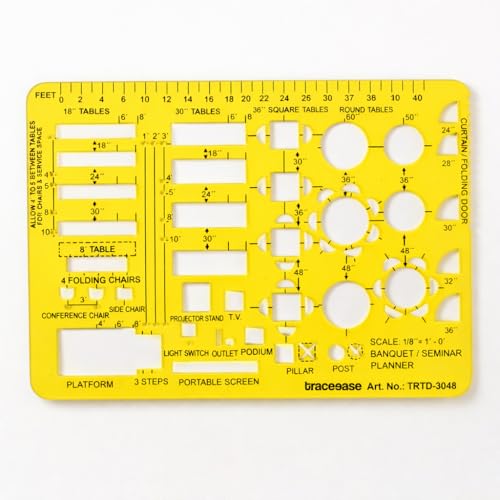
Traceease Acrylic Banquet & Seminar Planning Template for Event Layout – 1/8" = 1' Scale Stencil with Pre-Spaced Tables, Chairs, Podium, Door Swings and Event Planning Symbols, Compact 2 mm Thick Tool
Event layout planning stencil – This banquet and seminar planning template is made for users who need a…
As an affiliate, we earn on qualifying purchases.
As an affiliate, we earn on qualifying purchases.
Frequently Asked Questions
How Do Fee Structures Vary Across Industries?
Fee structures vary across industries based on industry standards and service complexity. For example, consulting firms often charge hourly rates, while subscription services use fixed monthly fees. You should prioritize pricing transparency, clearly explaining what clients pay for and why. This openness helps build trust and shows you’re committed to fairness. Understanding these industry differences allows you to set competitive, transparent fees that meet client expectations and foster long-term relationships.
What Are Common Hidden Fees Clients Should Watch For?
Hidden charges can sneak in like weeds in a garden—unnoticed until they choke your trust. Watch out for extra fees labeled as “service charges,” “processing fees,” or “administrative costs,” which often aren’t clear upfront. These transparency concerns can lead to surprises later. Always read the fine print, ask for itemized bills, and clarify any unclear charges before committing, so you avoid unexpected costs and maintain confidence in your dealings.
How Often Should Fee Structures Be Reviewed?
You should review your fee structures at least annually to maintain transparent pricing and uphold fee transparency. Regular reviews help guarantee your fees remain competitive and clear, preventing misunderstandings or distrust. Stay proactive by adjusting fees as needed based on market changes or service updates. Communicating these reviews openly with clients reinforces your commitment to transparency, builds trust, and demonstrates that your pricing remains fair and straightforward over time.
Can Fee Structures Change After Initial Agreement?
Yes, fee structures can change after the initial agreement. To maintain trust building and guarantee fee transparency, always communicate any adjustments clearly and promptly. Explain the reasons for the change, such as market shifts or service upgrades, and involve your clients in the decision-making process. This openness helps prevent distrust and shows that you prioritize transparency, reinforcing your commitment to fair and honest financial dealings.
How Do I Compare Different Fee Structures Effectively?
Think of comparing fee structures like choosing between different maps for a journey. You want clear, detailed routes to avoid surprises. Focus on pricing transparency — are all costs outlined upfront? Client communication is key; ask questions to understand each fee’s scope. Look for formats that highlight what’s included, ensuring you’re not just comparing numbers but the value behind each one. This way, you pick the best fit confidently.

Calculated Industries 4019 Material Estimator Calculator | Finds Project Building Material Costs for DIY’s, Contractors, Tradesmen, Handymen and Construction Estimating Professionals,Yellow
WORKS IN UNITS THAT WORK FOR YOU — enter dimensions directly in feet, inches, fractions, yards and meters…
As an affiliate, we earn on qualifying purchases.
As an affiliate, we earn on qualifying purchases.
Conclusion
By being transparent and clear about your fee structures, you build a bridge of trust that customers can walk across confidently. Think of it as laying down stepping stones—each one carefully explained—so your clients can see the path ahead without stumbling. When you communicate openly, you’re not just sharing numbers; you’re planting seeds of trust that grow into loyal relationships. Remember, honesty is the compass that guides you through any fee discussion smoothly.
Custom Printing Tri Fold Gloss Brochures and Flyers – Add, Upload Your Own Image, LOGO, Text – Personalized Design for Businesses – 8.5" x 11" Printing Glossy Paper (50, Double-Sided Printing)
SUPERIOR QUALITY – Your design will be printed on 80lb text (120 gsm) white glossy paper. The paper…
As an affiliate, we earn on qualifying purchases.
As an affiliate, we earn on qualifying purchases.
industry standard fee comparison tools
As an affiliate, we earn on qualifying purchases.
As an affiliate, we earn on qualifying purchases.