

When operating history is thin but investor interest is high, it signals strong market excitement but also carries risks. You should focus on management, innovation, and regulatory steering to gauge potential. High investor interest doesn’t guarantee success, especially with limited data and external uncertainties. Understanding how these factors influence stability can help you make smarter choices. Keep exploring to learn more about steering investments in such emerging companies.
Key Takeaways
- High investor interest may indicate potential but also increases reliance on projections and management promises.
- Limited operating history makes valuation more uncertain, requiring careful analysis of management and innovation.
- Strong market interest can inflate valuations despite limited track record, increasing investment risk.
- External market conditions and regulatory environment significantly impact growth prospects of young companies.
- A balanced approach involves assessing fundamentals, monitoring external factors, and understanding regulatory risks.

When a company has a limited operating history, it can be challenging to assess its true potential, even if investor interest is high. Without a long track record, you’re often left relying on projections, early performance metrics, and management’s promises. This reliance on limited data increases the importance of understanding the company’s financial stability, which can provide insights into its resilience in uncertain times. Additionally, examining the company’s innovative materials and how they impact product performance can offer clues about its competitive edge. Another layer of complexity comes from regulatory challenges. Newer companies, especially those in innovative sectors like technology or biotech, often face evolving regulations that can impact their operations and growth trajectory. You might find yourself questioning whether the company has the necessary legal and compliance frameworks in place or if regulatory hurdles could slow down its progress. Regulatory uncertainty adds pressure, as sudden policy shifts or legal issues could derail even the most promising ventures. While investor interest might drive up the stock or valuation in the short term, regulatory challenges can quickly undermine that enthusiasm if the company isn’t prepared. Recognizing the significance of AI-driven innovations in these sectors can also be crucial, as they often influence a company’s growth potential and competitive positioning.
Limited history makes assessing true potential difficult; rely on projections, management, and adaptability amid market swings.
Given these factors, you should approach such investments with a strategic mindset. High investor interest often indicates strong market sentiment, but it doesn’t guarantee long-term success, especially when the operating history is thin. You need to dig deeper into fundamentals—management experience, innovation pipeline, and the company’s ability to navigate regulatory landscapes. Keep a close eye on how external factors like market volatility influence the company’s valuation and operational stability. If regulatory challenges arise, assess whether the company has plans to address them or if they could become major roadblocks. Understanding the regulatory environment and how it might evolve can help you anticipate potential hurdles and prepare accordingly.
In essence, investing in companies with limited operating histories requires a balance of optimism and caution. High investor interest can create opportunities, but it also invites risks that aren’t always visible at first glance. Your best approach is to stay informed, be vigilant about market shifts, and consider how regulatory challenges might shape the company’s future. That way, you can make smarter, more informed decisions, even in uncertain environments.
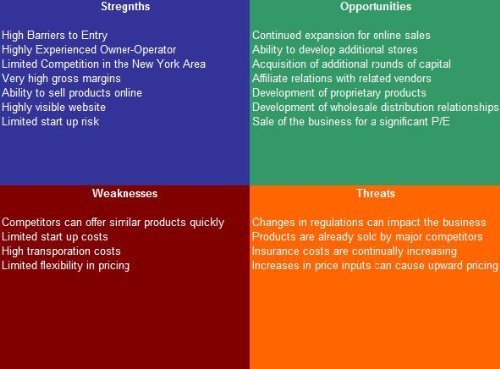
Electronics Manufacturer SWOT Analysis Plus Business Plan
Three different SWOT Analysis templates specific for a Electronics Manufacturer.
As an affiliate, we earn on qualifying purchases.
As an affiliate, we earn on qualifying purchases.
Frequently Asked Questions
How Can Investors Assess Future Potential With Limited Operating History?
You can assess future potential by analyzing customer feedback to gauge satisfaction and demand. Additionally, understanding the competitive landscape helps you identify market gaps and strengths. Look for signs of growth, innovation, or unique advantages. While operating history is limited, these insights offer clues about the company’s trajectory. Combining customer insights with competitive analysis allows you to make more informed predictions about the company’s future success.
What Are Common Risks Associated With Investing in Early-Stage Companies?
You should be aware that investing in early-stage companies carries risks like market saturation and an evolving competitive landscape. These factors can hinder growth or lead to rapid obsolescence. Because these businesses often lack a proven track record, you need to carefully analyze their unique value proposition and market position. Be prepared for volatility and guarantee your investment aligns with your risk tolerance, understanding that uncertainty is inherent at this stage.
How Do Valuation Methods Differ for Companies With Little History?
Think of valuation methods for early-stage companies as steering through uncharted waters; you rely more on projections than past tides. You emphasize financial forecasts, projecting future growth based on assumptions, and conduct a competitive analysis to understand industry positioning. These methods, like a compass, guide your investment decisions when historical data is scarce. You weigh potential, not just present performance, making forward-looking insights your most valuable tool.
What Role Do Market Trends Play in Investor Interest?
Market trends considerably influence your investor interest by shaping market sentiment and highlighting industry dynamics. When trends are positive, investor confidence grows, making them more enthusiastic to invest even in companies with limited operating history. Conversely, unfavorable trends can dampen enthusiasm, regardless of a company’s potential. Staying informed about industry shifts allows you to gauge whether current market sentiment supports your investment decisions, especially when operating histories are thin.
How Can Startups Build Credibility Despite a Short Operating Track Record?
You can build credibility by leveraging compelling brand storytelling that highlights your vision, values, and future plans, even with limited history. Share authentic customer testimonials to demonstrate real-world impact and generate trust. Engage your audience through transparent communication and showcase your team’s expertise. These strategies help establish credibility, making investors more confident in your potential despite a short operating track record.

The Good Jobs Strategy: How the Smartest Companies Invest in Employees to Lower Costs and Boost Profits
As an affiliate, we earn on qualifying purchases.
As an affiliate, we earn on qualifying purchases.
Conclusion
So, when operating history is thin but investor interest runs high, remember that the flame of enthusiasm can both illuminate and deceive. You stand at a crossroads where potential blurs into uncertainty, much like a lighthouse guiding ships through fog—its light beckons, but the waters remain uncharted. Trust your instincts, dig deep, and weigh the shadows against the shining promise. After all, in the dance of risk and reward, wisdom is knowing when to step forward and when to hold back.
regulatory compliance software for biotech
As an affiliate, we earn on qualifying purchases.
As an affiliate, we earn on qualifying purchases.

Risk Arbitrage: An Investor's Guide (Wiley Finance)
As an affiliate, we earn on qualifying purchases.
As an affiliate, we earn on qualifying purchases.