

To secure investor data effectively, you should implement strong privacy and cybersecurity controls, such as encryption, multi-factor authentication, and secure backup solutions. Regular risk assessments help identify vulnerabilities within your systems and prioritize improvements. Educate your staff on phishing threats and security protocols to reduce human error. Building a security culture through ongoing training and staying updated on evolving threats strengthens your defenses. Continue exploring how these strategies work together to protect sensitive information.
Key Takeaways
- Implement robust access controls and multi-factor authentication to restrict unauthorized data access.
- Use encryption and secure backup solutions to protect data confidentiality and ensure data recovery.
- Conduct regular risk assessments to identify vulnerabilities and adapt cybersecurity measures accordingly.
- Provide ongoing employee training on security best practices and threat awareness to reduce human error.
- Foster a security-focused culture through continuous improvement, proactive measures, and transparency to build trust.
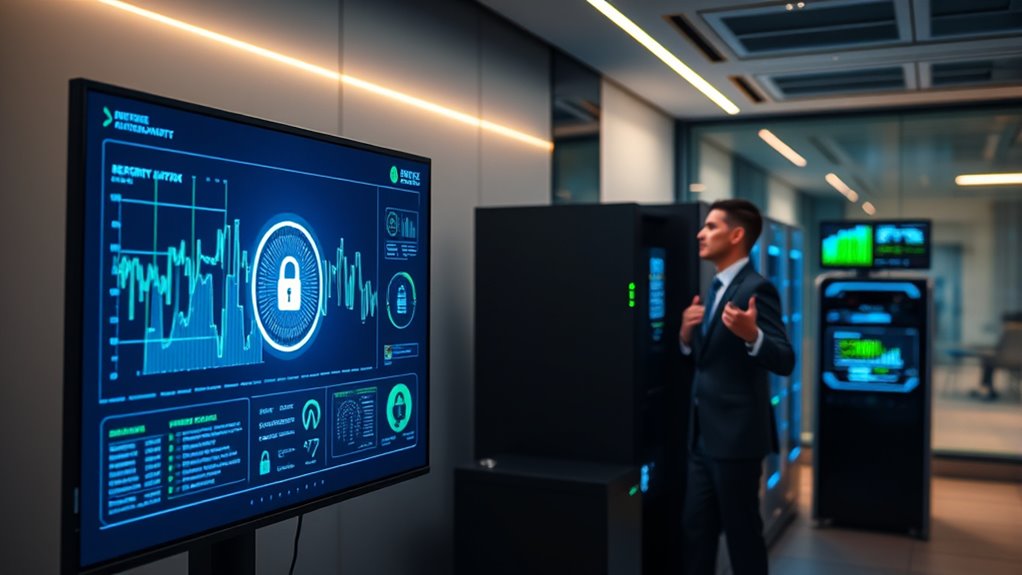
Have you ever wondered how organizations protect sensitive information in today’s digital landscape? It all starts with a solid understanding of the risks involved and implementing effective strategies to mitigate them. Conducting a thorough risk assessment is essential because it helps you identify vulnerabilities within your systems and processes. By pinpointing where potential breaches could occur, you can prioritize your cybersecurity efforts and allocate resources efficiently. This step isn’t just about technology; it’s about understanding human factors too, which is where employee training plays a key role. Educating your staff about common threats, such as phishing scams or social engineering tactics, can considerably reduce the chances of a breach. When employees know how to recognize suspicious activity and follow security protocols, they become an indispensable line of defense.
Understanding risks and training staff are key to safeguarding sensitive data effectively.
Risk assessment involves analyzing your organization’s data flow, reviewing access controls, and evaluating the security of your digital infrastructure. It’s an ongoing process that requires regular updates, especially as new threats emerge. Once you identify the risks, you can implement specific controls to protect investor data, such as encryption, multi-factor authentication, and secure backup solutions. But technology alone isn’t enough. Employee training ensures that everyone understands their role in maintaining privacy and security. For instance, training sessions can teach staff how to create strong passwords, avoid clicking on malicious links, and handle sensitive information appropriately. This knowledge helps reduce human error, which remains one of the most common causes of data breaches. Additionally, understanding projector contrast ratios can be crucial for creating engaging visual presentations that support your cybersecurity messaging during training sessions.
Integrating risk assessment with employee training creates a proactive security culture. Rather than reacting to incidents after they happen, you’re preventing them from occurring in the first place. Regular training refreshers keep staff updated on evolving threats and new security procedures. It also demonstrates your organization’s commitment to safeguarding investor data, fostering trust among clients and partners. To maximize effectiveness, training should be engaging and tailored to different roles within your organization. Hands-on simulations, for instance, can prepare employees to respond swiftly and correctly during a cyber incident.
In essence, protecting investor data isn’t a one-time effort but a continuous process involving risk assessment and employee training. When you combine these elements, you create a resilient defense system that adapts to changing threats. This approach not only minimizes the risk of data breaches but also builds confidence among your investors, knowing their information is in safe hands. Ultimately, a well-informed team and a thorough understanding of vulnerabilities are your best tools in maintaining privacy and cybersecurity in today’s digital world.

Yubico – YubiKey 5C NFC – Multi-Factor authentication (MFA) Security Key and passkey, Connect via USB-C or NFC, FIDO Certified – Protect Your Online Accounts
- Security Type: Multi-Factor Authentication (MFA)
- Compatibility: Works with 1000+ Accounts
- Connection Options: USB-C and NFC
As an affiliate, we earn on qualifying purchases.
As an affiliate, we earn on qualifying purchases.
Frequently Asked Questions
How Often Should Cybersecurity Audits Be Conducted for Investor Data?
You should conduct cybersecurity audits for investor data at least annually, aligning with your investor data review schedules. Regular cybersecurity audit frequency helps identify vulnerabilities early and guarantees your controls remain effective. Additionally, consider more frequent reviews if your organization experiences significant changes or handles high-risk data. Staying proactive with these audits safeguards investor information, maintains compliance, and boosts trust in your data management practices.
What Are the Latest Regulations Affecting Investor Data Privacy?
Imagine a firm facing fines after neglecting recent data privacy regulations. Currently, you must comply with laws like GDPR in Europe and CCPA in California, which set strict standards for data privacy and security. Staying updated on these regulations is vital for regulatory compliance. Regularly reviewing policies, conducting staff training, and implementing strong cybersecurity controls help guarantee you meet evolving legal requirements and protect investor data effectively.
How Can Small Firms Implement Effective Cybersecurity Measures?
You can implement effective cybersecurity measures by focusing on employee training to recognize and prevent threats like phishing. Develop a strong vendor management process, ensuring third-party providers follow robust security practices. Regularly update your software and security protocols, and restrict access to sensitive investor data. These steps help protect your firm from cyber threats, ensuring investor data remains secure and compliant with evolving regulations.
What Are Common Signs of a Data Breach in Investor Information?
You might notice suspicious activity like phishing attempts or unauthorized access, which are common signs of a data breach in investor information. If your systems show unexpected login attempts, strange emails, or data inconsistencies, don’t ignore them. These signals often indicate that hackers are trying to access sensitive data. Staying alert helps you respond quickly, minimizing damage and protecting your investors’ trust and confidential information.
How Do Multi-Factor Authentication Protocols Enhance Data Security?
Multi-factor authentication enhances data security by requiring you to verify your identity through multiple methods, like biometric verification and password complexity. These layers make it harder for unauthorized users to access investor data, even if one credential is compromised. By combining something you know (a strong password) with something you are (biometric verification), you considerably reduce the risk of breaches and protect sensitive information effectively.
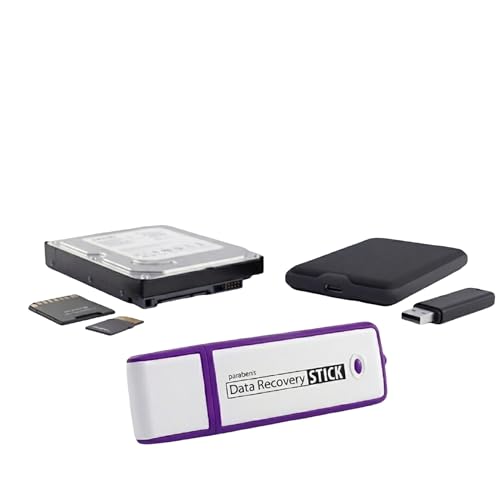
Data Recovery Stick for Windows Data Recovery Software – Photos, Files
- Easy to Use: Plug and recover files automatically
- Wide Compatibility: Supports Windows Vista to 11
- File Type Support: Recovers photos, documents, music, PDFs, and more
As an affiliate, we earn on qualifying purchases.
As an affiliate, we earn on qualifying purchases.
Conclusion
By implementing robust privacy and cybersecurity controls, you protect your investor data from evolving threats. Did you know that 60% of small businesses experience a cyber attack within a year? This highlights the critical need for strong defenses. Stay vigilant, regularly update your security measures, and educate your team. When you prioritize these controls, you not only safeguard sensitive information but also build trust with your investors, ensuring your business’s long-term success.

TrueNas Guide For Beginners: Build Secure Storage Systems, Homelabs, and Private Cloud Solutions
As an affiliate, we earn on qualifying purchases.
As an affiliate, we earn on qualifying purchases.

Security Guard Training Program & Kit on USB – Principles of Communication – Includes Instructor Guidebook, PowerPoint, Exam, and More Resources
- Instructor's Guidebook: Comprehensive training manual
- Editable PowerPoint: Customizable training slides
- 20-Question Exam: Ready-to-use exam and answer key
As an affiliate, we earn on qualifying purchases.
As an affiliate, we earn on qualifying purchases.