

PPMs for Qualified Opportunity Funds give you detailed guidance on how to structure your investments to optimize tax incentives like deferrals and exclusions. They explain how to stay compliant with IRS regulations, including reporting requirements and holding periods. These documents clarify the fund’s strategies, risk management, and operational procedures, helping you assess potential rewards and pitfalls. Keep in mind, understanding these aspects will help you make confident, informed decisions as you navigate opportunity zone investments.
Key Takeaways
- PPMs detail investment strategies to maximize tax benefits like deferrals and exclusions within Opportunity Zones.
- They outline compliance procedures to meet IRS regulations and maintain Qualified Opportunity Fund status.
- PPMs specify risk management practices and due diligence efforts to ensure legal and regulatory adherence.
- They clarify operational costs and management fees impacting overall investment returns and transparency.
- PPMs guide investors through legal standards, helping evaluate the fund’s approach to tax incentives and regulatory compliance.

Are you familiar with the role of Private Placement Memoranda (PPMs) in Qualified Opportunity Funds? If you’re considering investing in these funds, understanding PPMs is essential. They serve as detailed documents that detail the fund’s investment strategies, risk factors, and operational structure. PPMs are your primary source of information, guiding you through the fund’s approach to achieving tax incentives while guaranteeing adherence to regulatory standards. When evaluating a fund, you’ll find that the PPM outlines the specific investment strategies the fund employs to acquire and develop Qualified Opportunity Zone property. These strategies are tailored to maximize returns while aligning with the fund’s goals of qualifying for tax benefits, such as deferrals and exclusions on capital gains. By thoroughly reviewing the PPM, you gain insight into how the fund plans to navigate real estate or business investments within designated zones, which can be essential for assessing potential risks and rewards.
The PPM also plays a critical role in guaranteeing compliance requirements are clearly articulated. Since Qualified Opportunity Funds are subject to strict IRS regulations, the PPM must specify how the fund intends to meet these rules. This includes details on how the fund will maintain its status as a Qualified Opportunity Fund, how it will report on its investments, and how it plans to guarantee that investors meet holding period requirements for maximum tax benefits. This transparency helps you determine whether the fund’s investment approach aligns with legal standards, reducing the risk of non-compliance that could jeopardize your tax incentives. Furthermore, the PPM provides information on the fund’s governance, management team, and operational procedures, which are all essential for verifying that the fund adheres to the necessary compliance standards. By understanding these elements, you can make more informed decisions about whether the fund’s investment strategies align with your financial goals and risk tolerance.
In essence, the PPM acts as a roadmap that guides your investment decisions within the framework of legal and regulatory requirements. It guarantees that you’re fully aware of the fund’s investment approach and compliance commitments, which can help avoid surprises down the line. When reviewing a PPM, pay close attention to how the fund plans to implement its investment strategies and meet compliance requirements, as these aspects directly impact your potential returns and the safety of your tax advantages. Additionally, understanding the cost of ownership associated with the fund’s management and ongoing expenses can help you evaluate the overall investment viability. Ultimately, a well-drafted PPM provides the clarity and transparency necessary for confident investing in Qualified Opportunity Funds, giving you peace of mind that your investment aligns with both your financial objectives and legal obligations.
Private Placement Memorandum for Opportunity Funds
As an affiliate, we earn on qualifying purchases.
As an affiliate, we earn on qualifying purchases.
Frequently Asked Questions
How Do PPMS Influence Investor Decision-Making in QOFS?
PPMs greatly influence your decision-making factors by shaping your investor perceptions of the QOF’s risks and benefits. They provide detailed information, helping you assess potential returns, compliance, and transparency. A well-crafted PPM builds confidence, making you more comfortable investing. Conversely, unclear or incomplete PPMs may raise doubts, prompting you to seek more information or reconsider your decision, ultimately shaping your overall investment choice in the fund.
What Are Common Pitfalls to Avoid When Drafting PPMS?
When drafting PPMS, you should avoid common pitfalls like vague confidentiality clauses, which can lead to misunderstandings, and unclear investment thresholds, risking compliance issues. Make sure confidentiality clauses are specific and protect sensitive information, and clearly define investment thresholds to ensure investors understand their commitments. Also, verify for consistency and accuracy throughout the document to prevent legal complications and ensure transparency, building investor trust and confidence.
How Often Should PPMS Be Reviewed or Updated?
Think of your PPM as a living garden that needs tending. You should conduct a periodic review at least once a year to make sure it’s thriving and aligned with current laws. Updating frequency depends on market shifts, regulatory changes, and project progress. Regularly watering and pruning your PPM keeps it healthy, relevant, and compliant, so you can confidently guide your investors through evolving landscapes without losing your way.
Are There Specific Legal Requirements for PPM Disclosures?
Yes, there are specific legal requirements for PPM disclosures. You must include clear, accurate legal language that covers all material risks, investment details, and compliance obligations. Disclosure requirements guarantee investors understand the fund’s structure, risks, and legal constraints. You’re responsible for making sure your PPM adheres to SEC rules and federal regulations, providing transparency and protecting both you and your investors from potential legal issues down the line.
How Do PPMS Address Potential Conflicts of Interest?
Ironically, your PPM actually tackles conflicts of interest head-on, showcasing transparency. It details how conflict resolution aligns with fiduciary duties, ensuring managers prioritize investors’ best interests. By clearly disclosing potential conflicts and outlining procedures to manage them, the document reassures you that your fund’s integrity remains intact. This proactive approach underscores the fund’s commitment to ethical standards, making conflicts less of a concern and more a part of a well-managed process.

TAX INCENTIVES AND ECONOMIC DEVELOPMENT
As an affiliate, we earn on qualifying purchases.
As an affiliate, we earn on qualifying purchases.
Conclusion
By mastering the mechanics of PPMS for Qualified Opportunity Funds, you guarantee compliance and capitalize on tax incentives. Stay savvy, scrutinize specifications, and secure success through strategic stewardship. Remember, diligence in due diligence drives development, and diligent detail delivers dividends. With focus and finesse, you foster financial freedom and future fortune. Keep keen, question quickly, and navigate nuances — your knowledgeable, nimble approach paves the path to prosperous, protected, and profitable possibilities.
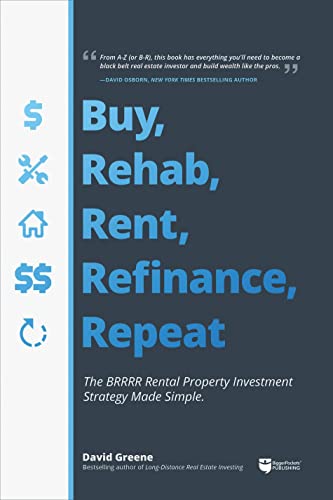
Buy, Rehab, Rent, Refinance, Repeat: The BRRRR Rental Property Investment Strategy Made Simple
As an affiliate, we earn on qualifying purchases.
As an affiliate, we earn on qualifying purchases.

The Opportunity Zones Playbook: Master the OZ Tax Incentive to Build Wealth, Fund Deals, and Create Impact
As an affiliate, we earn on qualifying purchases.
As an affiliate, we earn on qualifying purchases.